
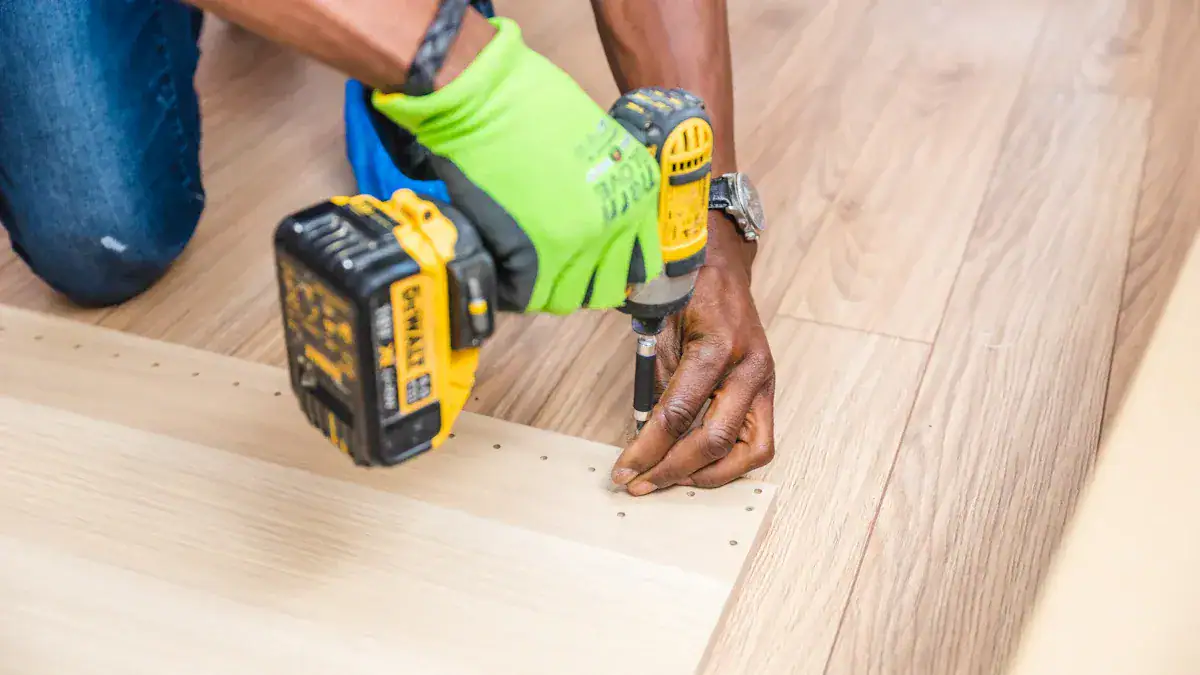
Hilti and Milwaukee dominate the power tool market. Both brands lead the industry, but their strengths, target audiences, and overall value propositions differ significantly. This Power Tool Brand Comparison helps readers determine which brand best suits their professional needs. It emphasizes performance, durability, value, and application suitability. Milwaukee Tool holds approximately 19% of the professional power tool market. Many perceive Milwaukee as versatile. Hilti excels in specialized, high-quality applications.
Key Takeaways
Hilti tools are for heavy construction. They are good for concrete work and special projects. Hilti sells tools directly to customers.
Milwaukee tools are for many different jobs. They are good for electricians, plumbers, and carpenters. Milwaukee tools are easy to find in stores.
Hilti tools cost more at first. They are very strong and last a long time. Milwaukee tools cost less to start. They offer good value for many workers.
Hilti has the Nuron battery system. Milwaukee has the M18 and M12 battery systems. Both brands make strong cordless tools.
Brand Overview
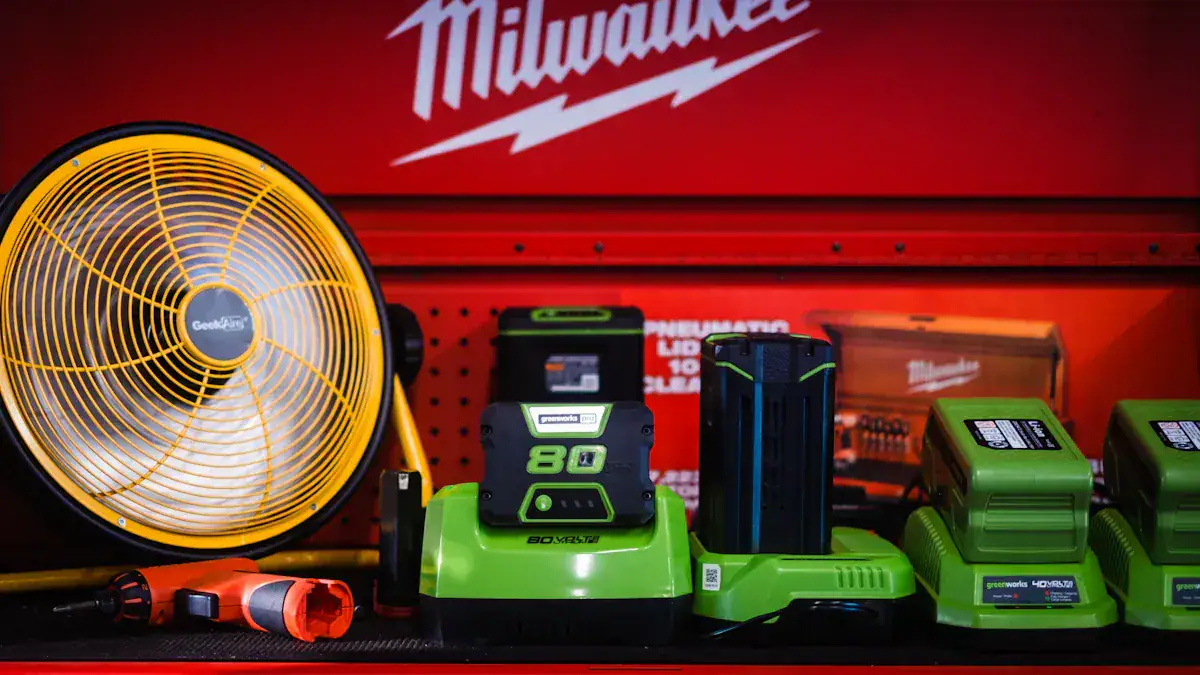
Hilti’s Legacy and Direct Sales Focus
Hilti has a long history in heavy-duty construction and engineering solutions. Martin Hilti discovered a technology for setting nails into concrete or masonry in the late 1940s. He acquired the designs and patent rights for Hilti’s first Direct Fastening tool. The company launched its first construction product in 1952. This was a manual tool for driving threaded studs into steel. In 1953, Hilti introduced Perfix, its first powder-actuated high-velocity fastener. Perfix allowed setting nails into concrete.
Hilti continued to innovate. In 1967, it launched the TE 17, its first electro-pneumatic hammer drill. This tool led to a series of comprehensive tools. The company also created its initial mechanical anchor system during this time. Hilti expanded its focus in 1973. It established the Hilti Entwicklungsgesellschaft (HEG) in Munich, Germany. HEG focused on drilling, mounting technologies, and anchor systems. Hilti reorganized its product areas in 1985 with “Strategy 2000.” Product divisions like anchor systems, direct fastening, and drilling and demolition became fully functional. Each division included product management, R&D, logistics, controlling, purchasing, and production.
More recently, Hilti embraced digital construction. In 2020, it launched Jaibot, a semi-autonomous mobile robot for ceiling drilling. It also introduced the EXO-O1 exoskeleton with Ottobock. This exoskeleton enhances health protection for overhead work. Hilti unveiled Nuron in 2022. Nuron is a new cordless platform. It simplifies construction site work, improves tool park management, boosts performance, and enhances operator health. This system uses a single battery for all applications.
Hilti emphasizes a direct sales model. This approach creates close interaction with customers. These customers include craft businesses and construction companies. Close contact helps Hilti understand customer needs accurately. Based on this understanding, Hilti develops innovative products tailored to its clients. The direct sales system also builds long-term customer relationships. It includes maintenance contracts and a leasing system. The “Fleet Management Program” significantly minimizes machine downtimes. Decentralized “Hilti Centers” ensure machines are always available to customers.
Milwaukee’s Innovation and Cordless Platforms
Milwaukee has experienced rapid growth. It focuses on cordless technology. Milwaukee is TTI’s flagship brand. It is known for versatile and innovative tools. Milwaukee developed M12 and M18 FUEL™ technology. This technology integrates exclusive batteries, motors, and electronics. It provides intelligent and powerful solutions.
Milwaukee continuously improves its tools. It reduced the size of M18 FUEL impact drivers. These tools maintained or increased performance. For example, the 3rd generation M18 Fuel Impact Driver keeps 2,000 in-lbs of torque and 3,600 RPM. It also became more compact. M12 FUEL impact drivers also became smaller. Their performance increased. The M12 Fuel Impact Driver dropped almost an inch in length. Its torque increased by 100 in-lbs to 1,300 in-lbs.
Milwaukee also created cordless solutions for tools traditionally requiring cords. It leveraged M18 FUEL technology for magnetic drills. These drills deliver comparable performance and productivity. The M18 Fuel Magnetic Drill Press can drill forty 13/16-inch holes in steel on one battery charge. Milwaukee introduced a compact cordless heat gun. The M18 Compact Heat Gun reaches 875° F in just 7 seconds. It addressed the challenge of cordless heat generation. The M12 Compact Inflator efficiently fills various applications. It handles light truck tires and compact equipment.
Milwaukee uses advanced motor technology. It implemented segmented motor technology for increased power and application speed. This led to tools with significantly more power than prior generations. Circular saws, for instance, show no power or speed sag under load. Milwaukee also introduced an ‘outer rotor motor’ for M12 Fuel ratchets.
Milwaukee’s M18 and M12 cordless platforms are very successful. These systems lead in sales within the power tools market. This market constitutes 30% of the overall market. The M18 and M12 battery systems are the backbone of Milwaukee’s success. They offer significant value to customers through battery versatility. These platforms provide unparalleled versatility. Contractors can use a single set of batteries across many tools. This enhances convenience and reduces costs. Milwaukee’s continuous investment in its M12 and M18 cordless platforms solidified its leadership in battery-powered tools globally. This strategic focus gives the brand a competitive advantage. Construction markets worldwide transition from corded equipment to durable, high-performance cordless solutions. This expands Milwaukee’s market presence. This Power Tool Brand Comparison highlights Milwaukee’s commitment to cordless innovation.
Performance and Power
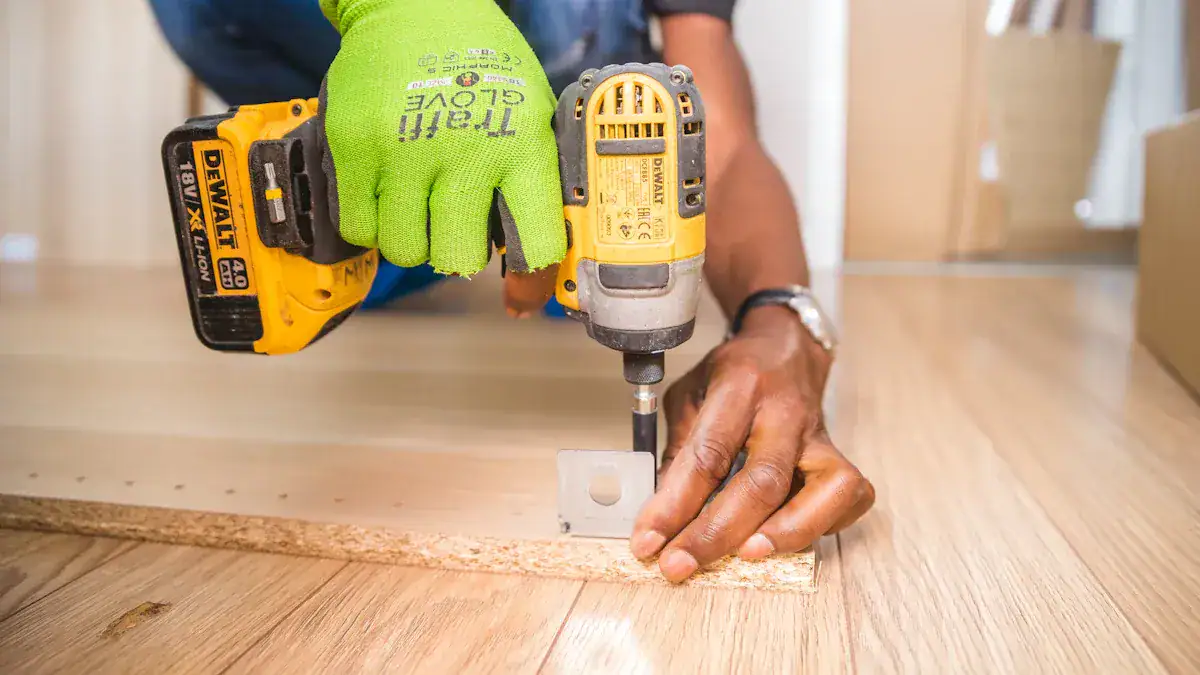
Corded Versus Cordless Strengths
Power tools have seen a big shift. Many professionals now choose cordless options. Cordless tools offer freedom of movement. They also increase safety on job sites. Hilti has a strong history with corded tools. These tools are known for their raw power and consistent performance. They often handle the toughest tasks. However, Hilti also made big moves into cordless technology with its Nuron platform. This platform aims to match corded power.
Milwaukee, on the other hand, built its reputation on cordless innovation. Its M18 and M12 platforms lead the market. Milwaukee designs many tools to replace corded versions. These cordless tools deliver similar power and efficiency. They offer the convenience of battery operation. This focus makes Milwaukee a top choice for many trades. They need versatile and portable power.
Key Tool Performance Comparison
Comparing specific tools shows differences in performance. Let’s look at hammer drills, rotary hammers, impact drivers, and saws.
Hammer Drills: Milwaukee’s Gen4 hammer drill is a powerful cordless option. It delivers high torque and speed for drilling into concrete and masonry. Hilti’s Nuron hammer drill also offers strong performance. It uses the Nuron battery system. For example, a Hilti 4Ah Nuron battery powers its hammer drill. A Milwaukee 5Ah XC battery powers its Gen4 hammer drill. Both drills provide excellent power for demanding applications.
Rotary Hammers: Hilti traditionally excels in rotary hammers. These tools are essential for heavy-duty concrete drilling. Hilti’s corded and Nuron cordless rotary hammers offer superior impact energy. They drill large holes quickly. Milwaukee also offers powerful cordless rotary hammers. They compete well in many applications.
Impact Drivers: Impact drivers are crucial for fastening. They deliver high torque.
Brand
Average Driving Torque (in-lb)
Rank
Milwaukee
1,150.00
8
Hilti
993.33
13
The table above shows Milwaukee impact drivers generally have higher average driving torque. This means they can drive fasteners with more force. Information about the RPM (revolutions per minute) for Hilti or Milwaukee impact drivers is not available.
Saws: Both brands offer a range of saws. This includes circular saws, reciprocating saws, and miter saws. Milwaukee’s cordless saws often match corded performance. They use advanced motor technology. Hilti’s saws, especially its specialized cutting tools, offer precision and power for specific tasks.
Battery Technology: Nuron Versus REDLITHIUM
Battery technology is key to cordless tool performance. Hilti’s Nuron and Milwaukee’s REDLITHIUM platforms are industry leaders.
Hilti Nuron: Nuron is Hilti’s newest cordless platform. It uses a single battery system for all tools. This simplifies tool management. Nuron batteries offer advanced data capabilities. They provide information on battery health and usage. This helps optimize tool fleets. Nuron batteries also deliver high power output. They aim to replace corded tools in many applications. They offer good runtime and fast charging.
Milwaukee REDLITHIUM: Milwaukee’s REDLITHIUM batteries power its M18 and M12 platforms. These batteries are known for their durability and performance. They offer excellent runtime and consistent power delivery. REDLITHIUM batteries have advanced electronics. These electronics protect against overload and overheating. Milwaukee continuously innovates its battery technology. It offers various battery sizes. This includes compact M12 batteries and high-capacity M18 XC batteries. These batteries provide long runtimes and quick charge times. Milwaukee’s battery system offers great versatility. Users can swap batteries across a wide range of tools.
Both brands invest heavily in battery innovation. They aim to provide reliable and powerful cordless solutions.
Durability and Build Quality
Material Quality and Construction
Power tool durability starts with material quality. Both Hilti and Milwaukee build tools for tough environments. Milwaukee uses specific materials to enhance tool longevity. For example, Milwaukee tools often feature:
Waterproof sealant: This prevents water from entering the tool casing.
Waterproof gaskets and O-rings: These keep water out of sensitive electrical components.
Sealed batteries: These resist moisture damage in cordless tools.
Electronic insulating compound (lithium soap and mineral oil): This protects electronic connections from corrosion. It forms a barrier against harmful chemicals. It also prevents short-circuiting.
Milwaukee tool housings use robust materials.
Component | Material |
|---|---|
Housing Material | Metal/Plastic |
Hilti also uses high-grade materials. Its tools often feature heavy-duty metal components. These materials withstand extreme forces. Hilti designs its tools for demanding construction tasks.
Job Site Resilience
Job sites are harsh environments. Tools must endure drops, dust, and moisture. Both brands design their tools for this reality. Hilti tools are known for their robust construction. They handle heavy impacts. They resist abrasive materials. Milwaukee tools also feature protective designs. They often include rubber overmolds. These absorb shock. They also provide a better grip. Both companies engineer tools to perform reliably in challenging conditions. They protect internal components from debris and water ingress.
Warranty and Service Support
A strong warranty reflects a brand’s confidence in its products. Hilti offers comprehensive warranty and service support.
Up to 2 years no cost warranty.
This includes labor costs.
It covers faulty parts (subject to wear and tear).
It includes pick-up and delivery.
This service model minimizes downtime for professionals. Milwaukee also provides competitive warranties. Most Milwaukee power tools come with a 5-year limited warranty. Their batteries typically have a 2 or 3-year warranty. Both brands aim to support their customers. They ensure tools remain operational.
Ergonomics and User Experience
Tool Design and Balance
Tool design greatly impacts user comfort and control. Both Hilti and Milwaukee prioritize ergonomics. They design tools for extended use without fatigue. Hilti’s most popular tools feature specific design elements. These elements contribute to excellent balance. They include a padded cycling grip and a non-slip cycling grip. These features help users maintain a firm hold.
Milwaukee also focuses on ergonomic balance. For example, the M18 FORCE LOGIC 6T Linear Utility Crimper Kit has a slim grip and an enlarged trigger. This design works well with Class 3 gloves. It also includes dual electronic release buttons for ambidextrous use. The M18 Force Logic Cable Cutter Kit boasts a fully balanced inline design. This design offers unmatched control and accuracy. Milwaukee’s Lineman’s Hawkbill Knife features an oversized ergonomic handle. This handle provides a comfortable grip, even with gloves. The M18 FORCE LOGIC 3 Inch Underground Cable Cutter has a balanced structure, handle, and hang hook. This makes setup easy in tight spaces. Milwaukee’s 9-Inch Lineman’s Comfort Grip Pliers use non-peel molded grips. These grips maximize user comfort.
Features and Smart Innovations
Both brands integrate smart features into their tools. These innovations improve user experience and productivity. Hilti’s Nuron platform offers advanced data capabilities. It provides information on battery health and usage. This helps optimize tool fleets. Milwaukee’s ONE-KEY technology allows users to track tools. It also lets them customize tool settings. Users can adjust speed, torque, and other parameters. This level of control enhances precision for specific tasks. Both companies develop tools with user-friendly interfaces. They aim for intuitive operation.
System Integration and Ecosystems
Hilti and Milwaukee offer comprehensive tool ecosystems. These systems allow users to interchange batteries and accessories across many tools. Hilti’s Nuron platform uses a single battery for all applications. This simplifies construction site work. It also improves tool park management. Milwaukee’s M18 and M12 platforms provide unparalleled versatility. Contractors use a single set of batteries across many tools. This enhances convenience and reduces costs. Both brands design their tools to work together seamlessly. This creates a more efficient and productive work environment.
Value and Cost
Initial Purchase Price
Hilti tools generally have a higher initial purchase price. This often reflects their specialized nature and robust build. For example, Hilti offers two-tool cordless combos starting from $469.00. These kits provide essential tools for various construction tasks. Milwaukee, while also a premium brand, often presents more accessible entry points. The Milwaukee M18 FUEL™ 2-Tool Combo Kit: Hammer Drill/Impact is no longer available for purchase. However, Milwaukee frequently offers competitive pricing on its combo kits. This makes them attractive to a wider range of professionals. Many perceive Hilti’s higher quality as a long-term investment. However, this higher initial cost might make it less cost-effective for individual users or smaller businesses compared to Milwaukee. Milwaukee’s broader market presence and frequent promotions can offer better upfront value for many tradespeople.
Long-Term Ownership Value
Long-term ownership value considers more than just the initial price. It includes durability, service life, and resale value. Hilti tools are renowned for their exceptional durability. They withstand the harshest job site conditions. This robust construction often translates into a longer service life. Tools require fewer replacements. Hilti’s direct sales model also includes comprehensive service support. Their “Fleet Management Program” minimizes machine downtimes. This program covers maintenance and repairs. It ensures tools remain operational. This reduces hidden costs associated with tool failure.
Milwaukee tools also offer excellent durability. Their advanced engineering and protective features contribute to a long service life. Milwaukee’s widespread availability means easier access to parts and authorized service centers. This can simplify repairs. Both brands maintain good resale value. However, Hilti’s specialized nature and perceived longevity might give it a slight edge in certain niche markets. For many general contractors, Milwaukee’s balance of initial cost, durability, and widespread support offers strong long-term value.
Accessories and Consumables
The cost and availability of accessories and consumables also impact overall value. Both Hilti and Milwaukee offer extensive ranges of accessories. These include drill bits, saw blades, grinding wheels, and fasteners. Hilti’s accessories often cater to specialized applications. They might come with a higher price tag. However, their performance and durability often justify the cost for specific tasks. Hilti’s direct sales channel ensures customers can always access the correct consumables.
Milwaukee’s accessories are widely available through various retail channels. This includes online stores and brick-and-mortar retailers. This broad availability often leads to more competitive pricing. Users can choose from a wider selection of third-party accessories. This can further reduce costs. Milwaukee’s extensive M18 and M12 platforms mean a vast array of compatible accessories. This offers flexibility and cost savings for users with multiple Milwaukee tools. For general construction and diverse trades, Milwaukee often provides a more cost-effective ecosystem for accessories and consumables.
Target Audience and Applications
Hilti’s Niche: Heavy Construction and Specialized Work
Hilti primarily serves the heavy construction industry. They focus on concrete work, anchoring, and specialized engineering projects. Hilti tools are essential for large-scale infrastructure and commercial building. Their products meet the rigorous demands of these environments. Hilti’s direct sales model supports these specialized applications. They offer on-site support and technical expertise. This approach ensures customers receive tailored solutions for complex challenges.
Milwaukee’s Versatility: Diverse Trades and Accessibility
Milwaukee appeals to a broad range of professionals. They provide job site solutions for many construction trades. Electricians, plumbers, carpenters, and HVAC technicians use Milwaukee tools. General contractors and sub-contractors also rely on them. Even serious DIY enthusiasts, homeowners, and craftsmen find Milwaukee tools useful. Milwaukee’s wide retail availability makes its products accessible to many users. This broad appeal sets Milwaukee apart in this Power Tool Brand Comparison.
Purchasing and Support Models in Power Tool Brand Comparison
Hilti uses a distinct purchasing and support model. Dedicated account managers work directly with customers on-site. They assist with product selection. Hilti also offers rental outlets for temporary needs. Authorized distributors provide local availability and service. Government customers access Hilti products through specific channels. A dedicated Hilti store operates in Puerto Rico. This direct approach ensures specialized support. Milwaukee, conversely, has wider retail availability. Customers can find Milwaukee tools in many hardware stores and online retailers. This accessibility makes Milwaukee a convenient choice for diverse trades. This Power Tool Brand Comparison highlights these different distribution strategies.
Hilti excels in extreme heavy-duty construction, specialized engineering, and comprehensive direct service. Milwaukee offers a broader, highly innovative, and accessible range for diverse professional trades. This Power Tool Brand Comparison shows distinct strengths. Readers should make an informed decision. Consider specific project requirements, budget, and preferred purchasing channels. The “better” brand depends entirely on individual needs and application.
FAQ
What is Hilti’s primary market focus?
Hilti primarily serves the heavy construction industry. They focus on concrete work, anchoring, and specialized engineering projects. Their tools meet the rigorous demands of large-scale infrastructure. Hilti’s direct sales model supports these specialized applications.
What makes Milwaukee tools versatile for professionals?
Milwaukee tools appeal to a broad range of professionals. Electricians, plumbers, and carpenters use them. Their M18 and M12 cordless platforms offer wide compatibility. This makes them suitable for many job site tasks. Milwaukee’s wide retail availability also adds to its versatility.
What is the main difference in initial tool cost?
Hilti tools generally have a higher initial purchase price. This reflects their specialized nature and robust build quality. Milwaukee often presents more accessible entry points. They provide competitive pricing on combo kits. This makes Milwaukee attractive to a wider range of professionals.
What are the key battery platforms for each brand?
Hilti uses the Nuron platform. It offers a single battery system for all tools. Milwaukee uses REDLITHIUM batteries for its M18 and M12 platforms. These batteries are known for their durability and consistent power delivery. Both platforms aim for powerful cordless solutions.