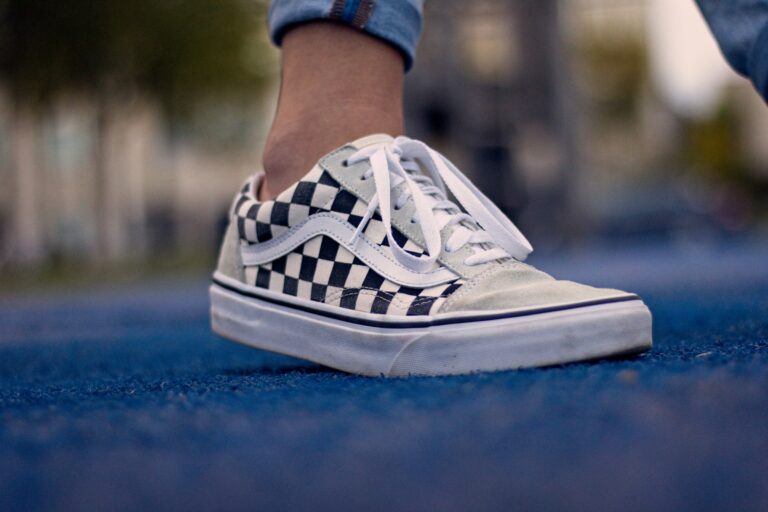
A soft-bristled brush, mild soap, and patient air drying can lift dirt without loosening glue or warping the upper. Mild dish soap, a soft-bristled brush, and a microfiber cloth handle most stains on mesh fabric better than harsh bleach or abrasive scrubbing.
This guide covers the easiest way to revive white mesh sneakers, from choosing the right supplies to tackling stains, odor, and yellowing without ruining delicate uppers.
What Makes White Mesh So Hard To Keep Bright
Mesh holds dirt below the surface, so dust, road film, sweat, and salt settle into the weave instead of sitting on top. That texture makes white mesh shoes look dingy after a short walk, especially when the upper has no color to hide the buildup.
White uppers show shadowing fast because every stain changes the surface tone. A beige ring can vanish on darker sneakers, but on mesh fabric it stands out after one commute or a wet curbside step.
Porous fibers trap more than dirt
The weave catches fine grit, and that grit acts like sandpaper if you scrub too hard. A heavy hand can fray the mesh before the stain lifts, which leaves the shoe looking fuzzy even after cleaning.
Body oils and sidewalk salt also leave a thin film that dulls the finish. Sunlight can set leftover residue into a yellow cast, so the stain can look worse after drying if you rush the process.
Brightening needs restraint, not force
Strong cleaners can weaken adhesive bonds and leave patchy color behind, especially on bonded athletic uppers. A shorter contact time, cooler water, and light pressure usually give a cleaner result with less risk to the shoe.
That balance matters on modern builds like Nike Flyknit, where stretch and layered construction make harsh treatment a bad trade. Once you understand that structure, the right tools become easier to sort out and how to clean white mesh shoes starts to feel less like guesswork.
That structure points the way toward tools and mixes that clean without forcing dirt deeper in.
The Tools And Cleaning Mixes Worth Using
A small cleaning kit handles most jobs better than a shelf of strong sprays. You only need a few tools, and each one has a narrow job that keeps the upper safer.
- Soft-bristled brush, lifts loose grit without scraping the mesh surface.
- Microfiber cloth, wipes residue clean and leaves less lint behind.
- Mild dish soap, breaks down everyday soil and sweat film.
- Laundry detergent, works for a larger wash when the label allows it.
- Bowl of water, gives you a controlled rinse and dilution step.
- Paper towels, absorb moisture and help hold the shoe shape.
- Soft cloth, helps you spot-clean without grinding the fibers.
A sneaker cleaner made for fabric uppers can work too, as long as it is not designed for coated leather or heavy waxed materials. Mild dish soap is enough for most pairs because it cuts grease without the sting of a harsh degreaser, which is why many people clean white mesh shoes at home with basic soap instead of specialty chemicals.
Baking soda, white vinegar, and hydrogen peroxide can all help in narrow situations, but each one has limits. Baking soda is useful for odor and light paste work, vinegar can loosen mineral salt, and hydrogen peroxide can brighten dingy white fibers in small spots.
| Mix | Best Use | Main Risk |
|---|---|---|
| Mild dish soap and water | Everyday dirt, sweat film, and light stains | Too much soap leaves residue |
| Baking soda paste | Odor, scuffs, and light surface dullness | Grainy paste can abrade fine mesh |
| White vinegar mix | Salt marks and mineral haze | Acid can bother glue and finishes |
| Hydrogen peroxide mix | White fabric brightening and yellow cast | Too much contact can lighten unevenly |
| Toothpaste | Small scuffs on rubber edges | Grit and whitening agents can scratch mesh |
Skip bleach-heavy sprays and gritty powders. They can leave mesh stiff, stain the glue line, and push bright white sneakers toward a brittle finish.
Magic eraser sits in a mixed zone. A tiny piece can help on a rubber sidewall, yet the foam is abrasive enough to fuzz delicate mesh fibers, so the safest method still starts with the gentlest touch.
Because mesh can fuzz so easily, the softest hand-cleaning approach becomes the smarter baseline.
The Safest Hand-Cleaning Method For Delicate Mesh
Loose dirt should come off before any liquid touches the shoe. Dry brushing keeps muddy grit from turning into paste, which is the fastest way to grind debris deeper into the weave.
- Remove laces and insoles, so each piece gets cleaned without trapping damp grit.
- Brush off dry debris, using short strokes and light pressure across the upper.
- Mix a mild solution, combining a small amount of mild dish soap or laundry detergent with cool water.
- Spot-clean stained zones, dabbing the mix on the mark before touching the whole shoe.
- Scrub lightly, using a soft-bristled brush or microfiber cloth in small circles.
- Wipe the residue, passing a damp cloth over the area until the soap film is gone.
- Stuff and shape, then air drying the pair away from heat and direct sun.
Work in sections instead of soaking the upper. A damp cloth and a soft-bristled brush are enough for most mesh fabric, and they let you control how much water reaches the glue lines.
The same method works after a normal week of wear. A pair worn to a school pickup run may need only the toe box and midfoot cleaned, while a muddy weekend trainer may need the full upper plus the midsole.
Use short, careful passes. Pressure is the enemy here, because mesh opens up under force and starts to look fuzzy long before the stain leaves.
Rinse residue with a clean damp cloth, then blot with paper towels. Stuffing the shoe with dry paper towels or a clean cloth helps hold the collar and toe shape while moisture leaves the fabric.
That hand method handles most dirt, yet some marks need a targeted fix. Grass, grease, and yellowing do not behave the same way, so the next step is choosing the right spot treatment instead of repeating the same wash.
Different stains call for different fixes, which is why targeted treatment matters more than another full wash.
Stubborn Stains, Yellowing, And Odor Need Targeted Treatment
A single wash rarely solves every problem on white mesh shoes. Grass pigment binds differently from salt, and grease sits in a thin oily layer that water alone will not lift.
Match the stain to the fix
Grass marks respond best to gentle detergent and patience, because chlorophyll and soil particles cling in separate layers. Grease needs a small drop of dish soap worked in dry, then a damp wipe to lift the film.
Salt lines from winter sidewalks often soften with diluted white vinegar, since the acid helps loosen mineral residue. For set-in dinginess, a light hydrogen peroxide mix can brighten the upper, but the contact should stay brief and even.
| Method | Where It Helps | Where It Can Hurt Mesh |
|---|---|---|
| Baking soda paste | Odor, light scuffs, mild dullness | Grainy paste can scratch and leave residue |
| White vinegar mix | Salt haze, mineral marks, sweaty odor | Too much acid can affect glue and finishes |
| Hydrogen peroxide | Yellow cast, brightening, spot whitening | Overuse can lighten fibers unevenly |
| Toothpaste | Rubber edge scuffs and small marks | Abrasives can rough up the mesh weave |
| Magic eraser | Soles and hard sidewalls | Can fuzz and wear fragile mesh |
Toothpaste still comes up because the whitening name sounds useful. It can work on a rubber foxing strip, yet the polishing particles make it a poor match for the upper itself, so keep it off the fabric unless the surface can handle abrasion. If you want to clean white mesh shoes with baking soda, use only a thin paste and keep it away from seams.
Yellowing is the hardest issue to judge. Surface discoloration from sweat or storage can improve, but deep yellowing inside aged fibers may not respond well without damage, and pushing harder can make the area look blotchy instead of cleaner.
Know when whitening makes sense
Light brightening is fair game on newer shoes with a dull cast, especially around the toe cap and tongue. Older pairs with brittle mesh, cracked foam, or lifted glue edges need a lighter touch, because harsh brightening can make the upper look cleaner for a day and worse for months.
For a pair that has turned yellow from age, sunlight, or repeated residue buildup, focus on improving the surface rather than chasing pure white. That choice keeps you from stripping fibers that still have useful life left, and it leads straight into the question of the washing machine.
Once the worst spots are handled, the bigger decision is whether machine washing is worth the risk.
When Machine Washing Makes Sense And When It Does Not
Machine washing sounds convenient, but the drum can slap the shoe against itself, twist the upper, and loosen bonded parts. For delicate mesh shoes, hand washing stays safer unless the care label clearly allows machine cleaning.
Check the manufacturer tag before any wash cycle. A label from Nike, Adidas, New Balance, or another maker tells you more about the glue and foam than a generic internet tip ever will.
The main risks are shape loss, edge fraying, and stress on adhesives. Foam midsoles can also absorb water and hold it for hours, which leaves odor behind even after the exterior looks clean.
| Situation | Machine Wash Fit | Safer Choice |
|---|---|---|
| Label says machine-safe | Possible on gentle, cold, low-spin settings | Use a mesh bag and towel padding |
| Flyknit or very light knit upper | Risky unless the maker allows it | Hand wash only |
| Visible glue lift or warped toe box | Not a good fit | Spot clean by hand |
| Heavy mud on rugged trainers | Sometimes acceptable with care | Pre-brush and hand finish first |
Manual cleaning beats the drum for most white mesh shoes because you control the water, the motion, and the drying. A washing machine is a blunt tool; hand care is a scalpel, and delicate uppers need the smaller instrument.
If the label allows machine washing, keep it gentle: cold water, low agitation, a mesh laundry bag, and a few towels to reduce impact. Skip the dryer entirely and move straight to air drying, because heat is where many pairs lose their shape and color. If you ever need to clean white mesh shoes in the washing machine safely, the cold cycle and the bag do most of the protecting.
Even a careful wash leaves moisture behind, so drying habits and routine upkeep become the real safeguard.
Drying And Maintenance That Keep White Mesh Cleaner Longer
Air drying at room temperature protects both the mesh and the glue lines. Direct sun can cook in yellow tones, and a heater vent or dryer can shrink the upper, stiffen adhesives, and leave the shoe misshapen.
- Blot excess moisture, using paper towels or a dry cloth before the shoes sit.
- Reshape the upper, stuffing the toe and collar with clean paper or cloth.
- Set them aside, in a shaded room with steady airflow and no heat blast.
- Dry laces separately, so damp cord does not darken the collar area.
- Clean the midsoles too, since dirty edges make the upper look dingier than it is.
Clean laces and midsoles at the same time, because a bright upper next to a grimy sole still looks tired. That small mismatch fools the eye, especially on Nike Flyknit and other mesh uppers where the whole silhouette reads as one piece.
A simple routine keeps the fabric cleaner for longer: quick brushing after wear, prompt spot cleaning, and storage away from damp closets or dusty floors. Adidas Ultraboost, trail runners, and court sneakers all hold up better when grit never gets a day to settle into the weave.
Store white mesh shoes with paper inside only after they are fully dry. A sealed, damp box is a shortcut to odor and a gray cast that takes work to lift later.
One practical case makes the pattern clear. A pair worn on city sidewalks, wiped with a cloth after each outing, and dried away from sunlight stayed bright enough for weekly wear, while the same style left in a hot trunk picked up yellow edging in less than a season.
That small habit change matters more than any fancy cleaner. Once you keep moisture, heat, and grit under control, the shoes need less rescue work and more light upkeep, which is the easiest place to stay.
With those habits in place, the finish line is simple: keep the routine easy enough to repeat.
Final Thoughts
Mesh stays bright when you treat it gently, not aggressively. Mild soap, a soft brush, careful spot treatment, and slow air drying give you the cleanest result with the least risk to glue, shape, and color.
FAQ
How do I get my mesh shoes white again?
Start with dry brushing, then use mild dish soap and cool water on the dull areas. For yellow cast or salt haze, a small hydrogen peroxide or white vinegar treatment can help, but deep yellowing may only improve a little without harming the fibers.
Can you use a Magic Eraser on mesh shoes?
Use it sparingly and mostly on rubber sidewalls or hard trim. The foam can abrade delicate mesh fibers, so a microfiber cloth and soft-bristled brush are safer for the upper.
Can mesh shoes be washed in the washing machine?
Only on pairs labeled machine-safe by the manufacturer. A gentle cycle, cold water, a mesh bag, and no dryer reduce the risk, but hand washing still gives you more control over glue, shape, and fabric wear.
Does toothpaste clean white mesh shoes?
Toothpaste can lift small scuffs on rubber edges, yet it is a poor choice for mesh fabric. The mild abrasives that help on a sole can rough up the weave and leave residue in the fibers.
How do you remove yellowing from white mesh shoes?
Use a light brightening mix on the stained area, then blot it off before it dries hard on the fabric. Deep yellowing from age, heat, or fiber wear may not fully lift, and pushing harder can make the shoe look patchy.