Hot water laundering, indoor humidity below about 50 percent, and tightly sealed mattresses and pillows reduce exposure where dust mites live. That approach reduces the allergens dust mites leave behind faster than surface cleaning alone.
This article covers practical bedroom changes that help cut dust mite buildup, from bedding and humidity to carpets and soft furnishings, for anyone trying to ease allergy triggers at home.
Start With The Bedroom, Where Mites Live Most
Mattresses, pillows, and blankets hold the heaviest dust mite load because they collect skin flakes, warmth, and moisture overnight. That makes the bed the main control zone, and it also means dust mite removal starts where you sleep, not in the hallway or kitchen.
Dust mites cannot be wiped out completely, but you can sharply lower the allergens they leave behind. The American Academy of Allergy, Asthma & Immunology and the Asthma and Allergy Foundation of America both point to bedroom control as the highest-value place to focus effort.
Target Bedding Before The Rest Of The Room
Start with bedding because it holds the most direct contact and the fastest allergen buildup. You will get better results from one disciplined bedding routine than from scattered cleaning across the whole house.
- Strip the bed weekly, because sheet fibers hold shed skin and fine allergen particles.
- Wash pillows with care, since many synthetic fills trap dust far deeper than smooth fabric.
- Check the mattress seam, where dust and debris settle in a narrow band that vacuuming can miss.
- Remove extra layers, because throws and decorative shams add fabric mass without helping sleep.
- Keep the floor clear, so vacuuming reaches the space beside the bed instead of stopping at clutter.
A bedroom with fewer textiles gives mites less shelter and gives you fewer places to trap allergen-laden dust. That matters more than chasing every flat surface, since most exposure comes from the bed itself.
Vacuuming a dresser top helps, but the mattress and pillows drive the biggest overnight dose. Focus your time there before you move on to the rest of the home.
Use Exposure Control, Not Sterile-Clean Thinking
The goal is to reduce contact with allergen, not to sterilize the room. A sealed encasement on a mattress or pillow blocks particles from moving into the sleeping surface, which is why encasements are a standard tool in dust mite control in bedroom plans.
Miele and Dyson both sell HEPA vacuum models that can help remove fine dust from the room, but that step matters more after the bedding plan is in place. Once the bed is handled, the next gains come from air moisture control.
That bedding-first approach sets up the next step, because humidity affects how well mites survive in the fabric you sleep on.
Because humidity affects survival, drying the room out makes the whole bedding strategy far more effective.
Lower Humidity To Slow Dust Mite Growth
Humidity below about 50 percent makes indoor conditions far less friendly for dust mites. In plain terms, they pull moisture from the air and from the environment around them, so dry air slows growth and makes dust mite removal more effective over time.
A dehumidifier does more here than general cleaning alone. Ventilation helps exchange air, but humidity control changes the room conditions that let mites multiply in the bedding, carpet, and upholstery.
Use A Dehumidifier In Damp Rooms
A dehumidifier is the practical fix for a bedroom that sits above 50 percent relative humidity in humid months or after rain. Place it in the room that stays dampest, not the room that feels the driest.
In a basement bedroom, a unit sized for the room matters more than a small desktop model. The machine has to pull enough moisture out of the air to keep the sleeping area below the target line.
Humid air keeps bedding and fabric surfaces slightly damp through the night. That thin film of moisture is enough to help mites stay active, so the humidity number deserves more attention than extra dusting.
Measure The Room, Not The Weather App
An indoor hygrometer gives a real reading where the problem lives. Outside weather can say one thing while your bedroom sits several points higher because of showers, laundry drying on a rack, or a closed window.
For a quick check, keep the meter near the bed for a full day, then compare morning and evening readings. That tells you whether the room is staying below the 50 percent mark or drifting up after the HVAC shuts off.
Once the moisture level is under control, your bedding routine can work harder, because hot washing and encasements have less humidity working against them.
With moisture reduced, hot water and protective covers can do a better job of limiting what lingers in bed.
Wash Bedding Hot And Seal What You Sleep On
Weekly hot water washing is one of the clearest ways to get rid of dust mites from sheets and pillowcases while stripping away allergen. Heat plus detergent loosens body oils and fine particles, and the wash cycle carries them out of the fabric.
Allergen-proof covers add another layer of control because they reduce direct exposure from the mattress and pillows. AllerZip is one well-known encasement brand, and the product type matters more than the logo, since the barrier is doing the work.
Follow A Simple Bedding Checklist
A fixed bedding routine keeps dust mite control from slipping during busy weeks. The steps below are simple, but the timing is what makes them effective.
- Wash weekly in hot water that is safe for the fabric.
- Dry fully on high heat or until the fabric is completely dry.
- Zip encasements closed on mattresses and pillows before remaking the bed.
- Replace worn covers that have torn seams or loose zipper teeth.
- Rotate pillows only after they pass a quick smell and shape check.
Sheets and pillowcases get the highest contact, so they deserve the most frequent washing. Comforters and blankets can follow the fabric care tag, but anything you press against your face all night needs the tightest schedule.
Choose Fabrics That Can Handle The Job
Cotton sheets and machine-washable synthetic blankets are easier to keep clean than thick decorative bedding. A feather pillow that clumps, smells musty, or holds dust after washing is a better candidate for replacement than repeated scrubbing.
That same logic helps you get rid of dust mites in a bed without overbuying products. Spend on encasements, solid washing habits, and a mattress protector that fits tightly, because those items work where the exposure starts.
With the bed sealed and washed on schedule, vacuuming becomes the next practical way to cut what settles around the room.
That cleaner bedding leaves the rest of the room as the main source of buildup, where vacuuming helps most.
Vacuum Smarter, Not Harder, With HEPA Filtration
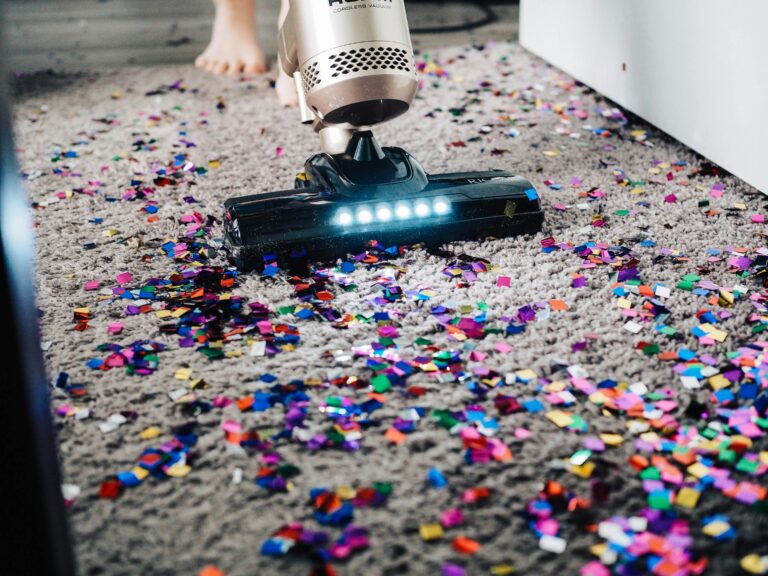
A HEPA vacuum pulls fine allergen-containing dust from floors and fabrics instead of kicking it back into the room. That makes vacuuming useful for dust mite control in bedroom spaces, especially around the bed frame, baseboards, and upholstered chairs.
HEPA stands for high-efficiency particulate air, and that filter class matters because mite allergen rides on tiny dust particles. A regular vacuum can move that dust around; a sealed HEPA system is built to trap more of it inside the machine.
Vacuum Slowly In The Hot Zones
Move the vacuum head across carpet and fabric at a measured pace so the suction can pull dust from the pile. Fast passes miss the fine material that settles near seams and under bed edges.
A weekly pass around the bed, the rug, and the upholstered bench gives better results than a rushed whole-room sweep. The goal is less dust in the air and less allergen sitting where you breathe at night.
Pair Vacuuming With Damp Dusting
Dry dusting can send particles into the air and then let them settle again on the next surface. A slightly damp microfiber cloth holds onto the dust instead of chasing it around the room.
That pairing matters on dresser tops, headboards, and window sills, where loose dust can drift back to the mattress. Once those surfaces are under control, the tougher fabrics deserve a closer look.
After the hard surfaces are under control, the biggest remaining reservoirs are the soft materials that hold dust deep in their fibers.
Hard floors are only part of the picture; soft furnishings still trap what a quick pass can miss.
Tackle Carpets, Upholstery, And Stuffed Toys With Care
Carpet, heavy drapes, and upholstered furniture give dust mites easy habitat because they trap skin flakes, lint, and moisture. A hard floor with washable window coverings gives you less fabric mass to hold allergen.
That does not mean every carpet has to go, but it does mean your biggest gains come from removing or reducing the fabric that stays dirty the longest. Steam cleaning can help some materials, though replacement makes more sense for items that keep shedding dust back into the room.
Compare The Main Fabric Choices
Different materials hold allergen in different ways, so the cleaning plan should match the surface. A thick rug needs a different response than a cushion or a toy that can be washed in a machine.
| Item | What Helps | What To Watch |
|---|---|---|
| Wall-to-wall carpet | HEPA vacuuming and deep cleaning can reduce dust load. | Thick pile holds more allergen than hard flooring. |
| Upholstered chair | Steam or fabric cleaning can help on washable fabric. | Foam and batting trap dust deep inside cushions. |
| Heavy drapes | Washable panels can be laundered on a schedule. | Thick fabric collects dust along folds and hems. |
| Stuffed toys | Freezing helps when washing is not practical. | Dense stuffing can hold dust even after a surface clean. |
Steam cleaning works best on fabrics that can tolerate heat and moisture, such as some rugs and upholstery. A delicate velvet chair or a toy with glued pieces needs a different plan, because excess water can damage the fill or finish.
Use Freezing For Toys That Cannot Be Washed
A sealed bag in the freezer can help with stuffed toys that cannot go through a washer. After freezing, a careful shake outside removes loose dust before the toy returns to the bed.
That trick works well for a child who sleeps with a favorite plush animal, especially when the toy is part of the nightly exposure pattern. Past a certain point, items that still hold dust after repeated cleaning are better off replaced than endlessly scrubbed.
Once the fabrics are under better control, the last step is turning the whole setup into a routine you can keep through every season.
Once those hidden reservoirs are addressed, consistency becomes the real difference between progress and backsliding.
Keep Dust Mite Control On A Simple Routine
The easiest way to get rid of dust mites over time is to make the work routine instead of random. Weekly bedding washing, steady vacuuming, and humidity control done year-round beat a burst of cleaning followed by months of dust buildup.
Season changes deserve a fresh look because heating dries indoor air in winter and air conditioning can change circulation in summer. That is the moment to recheck the room, not after symptoms return and the bed has already collected a new layer of dust.
Follow A Repeatable Schedule
A repeating schedule keeps the room from sliding back into the same exposure pattern. Set the tasks to match the points where dust and moisture usually return.
- Weekly bedding wash handles sheets, pillowcases, and washable covers on a fixed day.
- Twice-weekly vacuuming keeps the bedroom floor, rug, and bed edge from loading up.
- Monthly humidity check confirms the room stays under 50 percent relative humidity.
- Seasonal room review catches damp corners, leaking windows, and stale airflow.
- Quarterly product check verifies encasements, filters, and dehumidifier output.
Choose Products For Function, Not Hype
A sealed encasement, a true HEPA vacuum, and a dehumidifier sized for the room cover most needs. Miele and Dyson make HEPA vacuum lines that fit this job, while a basic hygrometer tells you whether the dehumidifier is doing enough.
That kind of product choice keeps dust mite control practical. You spend on the parts that change exposure, and you skip extras that only make the room look cleaner.
That practical routine is what turns short-term cleanup into lasting dust mite allergy relief.
Consistency is what keeps symptoms down long after the initial cleanup is over.
Final Thoughts
The fastest path to dust mite allergy relief starts in the bed, then moves to humidity, vacuuming, and fabric control. You will get farther by reducing the places mites live and the allergens they leave behind than by chasing a sterile room that no home can keep.
FAQ
How do you get rid of dust mites in a bed?
Wash bedding weekly in hot water, seal the mattress and pillows in allergen-proof covers, and keep the bedroom under about 50 percent humidity. That combination cuts exposure where you sleep and gives the strongest dust mite control in bedroom spaces.
What kills dust mites instantly?
High heat from hot water washing or a hot dryer is the most practical route for bedding and washable fabrics. For the room itself, there is no instant fix, so the real work is lowering exposure and removing allergen from the sleeping area.
Do dust mites live in mattresses and pillows?
Yes. Mattresses and pillows hold skin flakes, warmth, and moisture, which makes them prime habitat for mites and their allergen. Encasements help by blocking direct contact with that buildup.
Can vacuuming remove dust mites?
HEPA vacuuming removes allergen-containing dust from floors, rugs, and fabric surfaces, which lowers exposure. It works best as part of a larger plan that includes bedding washing and humidity control.
What humidity level kills dust mites?
No indoor level reliably wipes them out completely, but keeping humidity below about 50 percent makes survival and growth far less favorable. That target is the point where dehumidifiers start doing real work for you.