A microfiber cloth and a vacuum with a HEPA filter remove fine particles without stirring them back into the air. A damp microfiber cloth and a HEPA vacuum cleaner do that job better than dry wiping because they trap debris on contact.
This guide covers the habits and room-by-room tactics that make dust control easier, especially for anyone tired of constant buildup on shelves, vents, and crowded surfaces.
Start With The Tools That Actually Lift Dust
Dry wiping spreads fine particles because dust clings to static and loose fibers. A slightly damp microfiber cloth traps that debris, so you remove dust from furniture instead of pushing it onto the next surface.
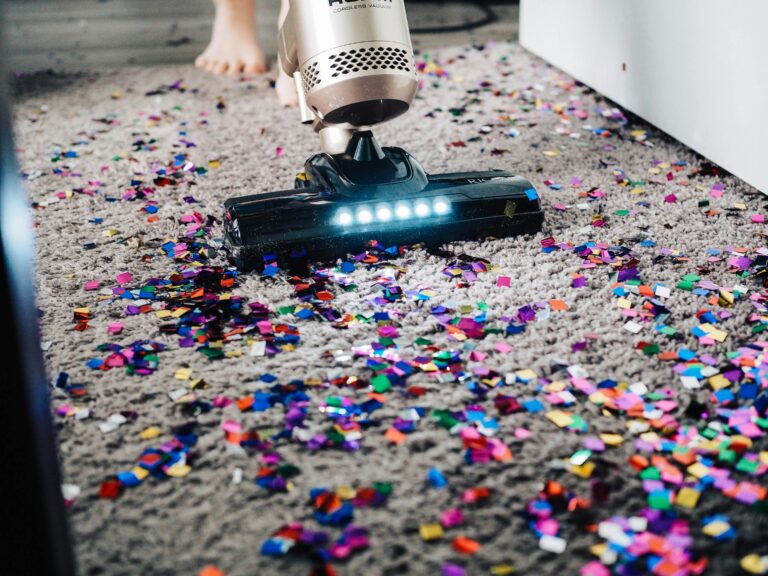
Vacuuming matters just as much on floors and upholstery. A vacuum cleaner with a HEPA filter captures tiny particles, including dander and fragments tied to dust mites, which is why filtration matters as much as suction.
Choose Microfiber Over Feather Dusting
Feather dusters look easy, but they usually scatter light debris unless you follow them with a vacuum pass. Microfiber is denser, and a lightly damp cloth holds grime from tabletops, shelves, and window sills instead of smearing it around.
- Dampen lightly. The cloth should feel barely wet, not dripping.
- Fold in quarters. A clean face gives you more pickup before rinsing.
- Wipe one pass. Long strokes collect dust better than quick scrubbing.
- Rinse often. A loaded cloth starts pushing dirt instead of lifting it.
Skip feather dusters for fragile decor unless you can vacuum right after. On smooth surfaces, a damp microfiber cloth does the cleaner job with less scatter.
Use HEPA Filtration On Floors And Fabric
HEPA means high-efficiency particulate air, and that filter class matters because fine particles stay airborne longer than crumbs or lint. A HEPA vacuum helps capture what a standard floor tool misses, especially around baseboards, rugs, and upholstered chairs.
Named brands such as Dyson, Coway, and Blueair matter here only because they show how common HEPA-based filtration has become in home care. A 3M MERV-rated HVAC filter does a different job inside the system, and both tools work best together instead of in isolation.
Once the right tools are in hand, sequence becomes the next decision. The room matters less than the order, and the order keeps cleaned areas from catching fresh fallout.
That order only works when the most elevated surfaces get attention before anything below them.
Work From The Top Of The Room Down
Dust falls under gravity, so the ceiling fan should never come after the coffee table. Clean the highest ledges, blades, and wall decor before you touch lower surfaces, and you avoid undoing your own work.
That order matters even in a small bedroom. A light pass over shelves can send particles drifting for several minutes, which means your last passes should land on baseboards, window sills, and floor edges where debris finally settles.
Clean Ceiling Fans And High Shelves First
Ceiling fans hold more dust than they look like they should, and each blade can shed a narrow line of powder when the room warms up. Use a damp cloth or a vacuum attachment with a brush head, then move to shelves, curtain rods, and framed art.
A top-down route works because settled dust behaves like sand in a tilted tray. Once you disturb it above eye level, lower ledges become the catchment zone, so that should be your last pass, not your first.
Finish At Baseboards And Floor Edges
Baseboards, carpet edges, and window sills collect fine residue from moving air and foot traffic. Finish there, then vacuum the floor so the final pass picks up everything that fell during the room work.
Keep one direction per room, too. Left to right in the living room and back to front in the bedroom keeps your path clear and prevents you from brushing loose dust onto areas you already cleaned.
That sequence handles what has settled. Airborne dust still matters, especially in closed rooms where particles hang around after the cloth goes back on the shelf.
Settled dust is only part of the problem, because lingering particles keep circulating after surfaces look clean.
Cut Dust In The Air Before It Settles
An air purifier can lower airborne particles in enclosed rooms, which is why it helps after vacuuming or during long stretches with windows shut. Dust that never settles is easier to breathe in, so filtration in the room matters as much as wiping surfaces.
HVAC filters also play a larger role than many homes give them credit for. A regular change schedule keeps the furnace or central air from recirculating what your vacuum already pulled up, and a MERV 8 to MERV 13 range often gives a practical balance between capture and airflow in many systems.
Run Filtration Where Air Stays Stale
Bedrooms and home offices often hold the highest particle load because doors stay closed and airflow stays limited. Place the purifier where you spend the most time, keep furniture from blocking intake vents, and let it run long enough to cycle the room air several times.
That placement can make a visible difference on dark furniture and screens. A unit from Coway, Blueair, or similar HEPA-based brands helps most when the intake and output stay unobstructed and the room is shut for long stretches.
Keep Humidity In The Moderate Range
Moderate humidity helps particles clump and settle, so they are less likely to float through the room. Too much moisture creates another problem, because mold and dust mites both do better in damp conditions, especially in bedrooms and basements.
Hold indoor humidity in the middle range, not the dry edge and not the swampy edge. That balance helps dust settle without turning the room into a mold problem.
Air control sets up the tougher spots next. Fabrics and vents trap dust differently from hard surfaces, and the bedrooms you sleep in every night deserve more attention than the hallway table.
Certain rooms become dust magnets faster, especially where fabric, airflow, and daily use all intersect.
Focus On The Rooms That Build Up Fastest
Bedding is a dust magnet because it catches skin flakes, lint, and dander every night. Wash sheets, pillow covers, and blankets on a regular schedule, and you lower the material that dust mites feed on while also cutting allergens in the fabric.
Bedrooms collect more buildup than polished rooms with little fabric. Soft surfaces, wall to wall rugs, and upholstered headboards create a thick landing zone, which is why a quick surface wipe rarely solves the whole problem.
Wash Bedding And Pillow Covers Regularly
Sheets and pillowcases pick up what your body sheds and what the room air carries in. Weekly laundry is a solid baseline for many homes, and hotter water helps when the fabric label allows it.
Blankets and mattress covers matter too. A mattress encasement keeps dust from working into the foam, and pillow protectors stop buildup from settling in the seams where lint and skin flakes hide.
Check Vents Returns And Fan Blades
Vents and returns move air through the house, so they can also move dust if the grille collects debris. Vacuum the covers, wipe the slats, and replace dirty HVAC filters on a schedule so the system does not keep spreading the same load.
Ceiling fan blades in bedrooms deserve a quick pass during the same routine. A fan that looks clean from the floor can still drop a ring of dust onto the bed the moment it starts spinning.
That leads straight to the easiest structural fix in the house. Less clutter means fewer dusting targets, and fewer targets mean fewer places for buildup to hide.
When buildup has fewer hiding places, the whole cleaning job gets simpler and faster.
Use Less Clutter To Make Dusting Easier
Shelves packed with knickknacks slow everything down because each small object adds a corner, edge, or groove where dust settles. Clearer surfaces let you clean faster and reach the spots that matter instead of moving ten items to wipe one shelf.
That change matters in high-use rooms such as the living room and bedroom. Closed bins and cabinets hide the items you use less often, while exposed decor stays limited to pieces that are easy to lift and wipe.
Reduce Objects On Open Surfaces
A lamp, a frame, and a dish of keys are manageable. Fifteen tiny figurines are not. Limiting what sits in the open makes dusting more direct and cuts the chance that small objects get skipped for weeks.
Simple surfaces also show buildup sooner, which helps you stay ahead of it. You notice the line on the shelf before it becomes a gray film, and that makes each cleaning round shorter.
Store Extras In Closed Containers
Bins with lids, dresser drawers, and cabinet doors keep fabric, paperwork, and small seasonal items from collecting dust in plain view. The less exposed storage you have, the less surface area you need to clean.
- Group similar items. One bin for cables, one for seasonal decor, one for spare linens.
- Label boxes. Clear labels keep you from opening every container during routine cleaning.
- Keep flat tops clear. A clear dresser top wipes down in seconds.
Once the room is easier to clean, the last piece is cadence. A one-time deep clean fades fast, but a repeatable routine keeps dust under control for far longer.
Consistency turns a cleaner room into a lasting result rather than a temporary victory.
Keep Dust Under Control With A Repeatable Routine
A weekly dusting pass, regular vacuuming, and bedding washes form the backbone of dust control. The cadence matters because dust returns from fabric, airflow, and skin cells every day, not just after a messy project or a dry spell.
Homes with pets, busy traffic, or allergy issues need a shorter cycle. In those spaces, vacuuming twice a week and washing bedding more often can make the room feel easier to breathe in and less coated by Friday night.
Use A Weekly Reset
Pick one day for furniture, another for floors, and a third for fabric if that works better with your schedule. A repeatable slot turns dust care into maintenance instead of a scramble after buildup becomes visible.
Here is a practical rhythm that fits many homes:
- Wipe surfaces. Use a damp microfiber cloth on tables, shelves, and electronics stands.
- Vacuum floors. Cover rugs, carpet edges, and upholstered pieces with a HEPA machine.
- Wash bedding. Send sheets and pillow covers through laundry on a regular cycle.
- Check filters. Replace HVAC media on schedule and clean purifier prefilters as needed.
Adjust For Traffic And Allergy Pressure
Homes with shoes indoors, pets, or frequent open windows gather dust faster. Add a second vacuum pass near entryways and under beds, since those areas collect what gets carried in on clothing and paws.
How to get rid of dust in a stubborn room comes down to filtration, fabric care, and routine, not a single miracle product. The homes that stay cleaner use the same few habits on repeat, and that consistency matters more than any one cleaning marathon.
What lasts is not a miracle product, but the habit of repeating the right basics.
Final Thoughts
Dust control works best as a system. Use the right cloth and vacuum, clean from the top down, keep air moving through filtration, and cut the clutter that gives dust extra places to land.
Once those pieces stay in rotation, the buildup slows and the room stays easier to maintain. That is the practical way to reduce dust in your home without fighting the same film every week.
FAQ
How do I completely get rid of dust in my room?
You will not keep a room dust free for long, because fabric, airflow, and skin cells keep feeding new buildup. A damp microfiber cloth, a HEPA vacuum, bedding laundry, and filtered air give you the best chance of keeping it low for longer stretches.
What kills dust in the air?
Nothing removes every airborne particle at once, but HEPA filtration captures a large share of fine dust in a closed room. An air purifier and a properly changed HVAC filter work together to lower what stays suspended after cleaning.
What is the simple trick to eliminate dust?
The simplest practical move is to wipe with a slightly damp microfiber cloth instead of a dry towel. That single change picks up more particles and avoids the puff of dust that dry wiping leaves behind.
How often should I dust to keep buildup under control?
A weekly dusting routine is a solid baseline for most homes, and you may need a second pass in busy rooms or homes with pets. Vacuuming twice a week and washing bedding more often can help when dust returns quickly.
Which cleaning tools work best for removing dust without spreading it?
A microfiber cloth, a vacuum cleaner with a HEPA filter, and brush attachments for vents and fabric work best on most surfaces. Feather dusters and dry rags tend to move dust around instead of trapping it.
How can I reduce dust if I have allergies?
Focus on the bedroom first, because bedding, upholstered furniture, and closed doors can trap the most particles. Use HEPA filtration, wash sheets weekly, keep humidity moderate, and avoid dry dusting that stirs allergens into the air.