Daily vacuuming, pet treatment, and attention to hidden life stages can break the flea cycle before it spreads. Flea eggs and pupae settle deep in carpet fibers, so a surface clean can miss the source and bring bites back within a week.
These steps cover carpet, rugs, pet bedding, and upholstered areas in homes with dogs or cats, especially when you need a practical plan instead of a one-pass cleanup.
Confirm the real source of the infestation
Dark specks that smear red on a damp paper towel are flea dirt, and that is the clearest clue in carpet. Adult fleas also jump fast from rugs, pet beds, and sofa seams, so the problem often spreads through the rooms where your pet rests.
Carpet fleas almost never point to carpet alone. Pets, wildlife under the house, or animals near a porch, crawlspace, or attic entry are the usual feed source, which is why surface cleaning alone tends to fail.
Look for the signs that matter
Bites around ankles, visible jumping insects, and black pepper-like debris near baseboards all point in the same direction. A lint roller or white sock test can help you spot movement in low-pile carpet, where adults can sprint away before you notice them.
The real starting point is not where you see the flea, but where the breeding cycle is active. Eggs fall off the host, hatch in carpet fibers, and larvae hide in grit, so the carpet becomes a nursery rather than the main home.
Map the room where activity is highest
Pet beds, under furniture, along wall edges, and near warm resting spots deserve your attention. Those spots collect skin flakes and debris, which give larvae food and shelter.
Once you identify the hot zones, the next step is removal at speed. Vacuuming earns its keep here, and it also sets up every later step that helps you get fleas out of carpet.
Speed matters most when fleas are buried, which is why the next step reaches what vacuuming leaves behind.
Vacuuming that removes the most fleas fast
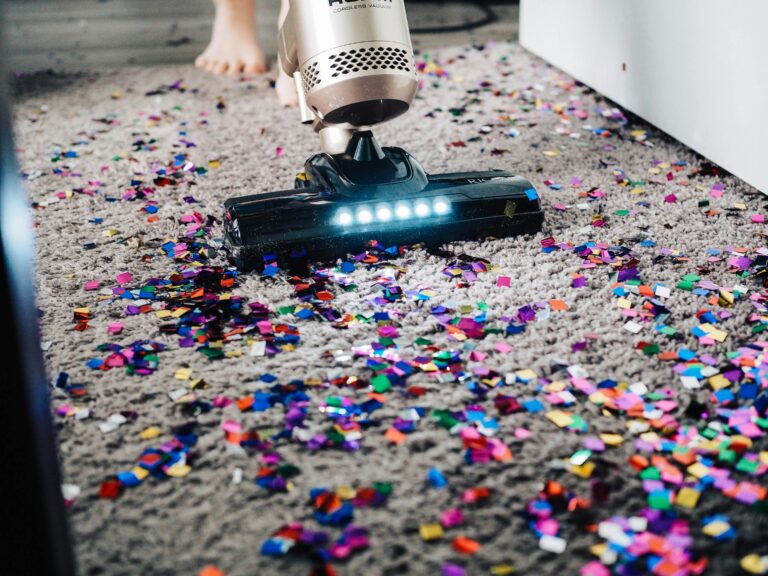
Vacuuming is the fastest way to get fleas out of carpet because it lifts adult fleas, eggs, larvae, and dirt in one pass. Slow strokes work better than quick passes, since the suction has time to pull material from between carpet fibers.
Edges matter just as much as the center of the room. Fleas and their immature stages gather where the pile meets the baseboard, under couch skirts, and in corners that stay quiet for days.
Work the carpet with patience
- Move slowly: Give the nozzle time to pull debris from deep pile and low-traffic lanes.
- Hit the edges: Run the crevice tool along baseboards, vents, and furniture legs.
- Repeat daily: Fresh adults can appear after the earlier batch is gone.
- Clear the bag outdoors: Fleas can crawl back out of a warm canister or bag inside the house.
Emptying the vacuum outside cuts reinfestation risk, especially with a bagless machine. A sealed outdoor trash bin keeps live insects from escaping back into the room.
Use the vacuum as a removal tool, not a one-time fix
A single pass helps, but repeated vacuuming matters because eggs and larvae do not leave on the same schedule. You can treat a hallway, a living room, and a pet sleeping area on the same day, then return the next day and catch what emerged from deeper fibers.
That pattern matters even more once heat and spot treatment enter the plan. The next layer reaches places vacuuming misses, which is where the push to kill fleas in carpet quickly gets more technical.
Once the surface pass is done, hidden stages call for a deeper approach that attacks the carpet itself.
Heat, dust, and sprays for deeper carpet treatment
Steam cleaning can help in carpet that tolerates heat, because high temperatures can stop adult fleas on contact and reach into the pile. A Bissell carpet cleaner or a rental steam machine gives you hot water extraction, which is useful on rugs and thicker carpet with manufacturer-safe cleaning directions.
Heat alone rarely finishes the job. Insect growth regulators such as methoprene or pyriproxyfen, found in products from brands like Bayer, Zodiac, and Adams, interrupt immature fleas before they become biting adults.
Match the method to the material
| Method | What it helps with | Best use case |
|---|---|---|
| Steam cleaning | Heat exposure for adult fleas and some larvae | Carpet and rugs that can handle moisture and heat |
| Insect growth regulator | Stops immature stages from maturing | Longer control in rooms with repeated activity |
| Diatomaceous earth | Drying action on insects in dry carpet zones | Dry seams, closets, and low-moisture areas |
| Label-directed flea spray | Spot coverage in missed areas | Edges, baseboards, and upholstery seams |
Use powders and sprays with restraint
Diatomaceous earth works by damaging the waxy outer layer of insects, which dries them out. Food-grade material and labeled dust products need careful placement in dry cracks, because heavy dust can linger in carpet pile and make cleanup harder.
Wondercide and Vet’s Best sell plant-oil products for some home use cases, while EPA-registered flea products offer more formal label directions for indoor use. Read the label, keep the layer thin, and avoid treating every square foot when a travel path or edge strip is the real target.
That thin treatment works best because the toughest flea stages survive by waiting out weaker efforts.
Heat, dust, and sprays work best as a follow-on after vacuuming. That order matters because loose debris blocks contact with carpet fibers and hides the places fleas use for cover.
Why flea eggs and pupae keep the problem going
Eggs and pupae are the hard stage, not adult fleas. Eggs roll off the host and settle into carpet, and pupae sit inside a sticky cocoon that shields them from many cleaning passes and chemicals.
That cocoon is the reason a room can look clean and then flare up again. A pupa can wait for warmth, vibration, and carbon dioxide, then emerge after your floors already seem calm.
Why the cycle survives cleaning
Adult fleas are exposed on the surface, but immature stages hide deeper in the pile. Larvae feed on organic debris, and pupae can stay protected long enough to outlast a single round of vacuuming or spray.
A carpet that appears clear after day three may still hold the next wave. This is why one treatment rarely ends the cycle, and why a return of bites does not mean the earlier effort failed.
The biology that matters in plain terms
Fleas move through four stages: egg, larva, pupa, and adult. Only the adult feeds on blood, but the other stages drive the comeback, so breaking the cycle means targeting more than the insects you can see.
That biology explains why the fix has to include pets and household fabrics at the same time. Carpet is only one part of the system, and the same logic applies when you need to remove fleas from carpet and rugs throughout the house.
Because those hidden eggs and pupae keep hatching, every surface they touch has to be addressed together.
Treating pets and household fabrics at the same time
Pet treatment is nonnegotiable, because an untreated dog or cat keeps reseeding the carpet within hours. Flea collars, oral products, and spot-on medicines from a veterinarian keep the host from acting like a moving feeder station.
Washable fabrics matter too. Pet bedding, throws, blankets, and cushion covers can carry eggs and larvae, so a hot wash and a hot dryer cycle cut the supply line that keeps the room active.
Cover the pet side and the fabric side
- Use pet medicine: Choose a veterinarian-directed flea control product for every animal in the home.
- Wash bedding hot: Run pet beds, washable throws, and covers through heat and full drying.
- Vacuum soft furniture: Couches, chair seams, and cushions can hold eggs and larvae.
- Check outdoor access: Wildlife under decks or near crawlspaces can feed the cycle at the edge of the house.
- Keep grooming consistent: A flea comb on the coat can reveal live adults before they move into carpet again.
Hartz and Seresto are familiar names in pet care, but the right product for your animal depends on age, weight, health, and veterinary advice. A product made for a large dog can be unsafe for a cat, so matching the label to the pet matters as much as cleaning the room.
Near the house, squirrels, raccoons, stray cats, and opossums can seed fleas close to entry points. That outside source explains why a carpet problem can return after a clean-looking week indoors.
Outdoor carriers can undo indoor progress, so the cleanup has to continue until the source is finally cut off.
Repeating treatment until the cycle breaks
Repeat work is the part most people skip, and that is where the comeback starts. Vacuuming every day for 10 to 14 days, then re-treating problem zones on a steady schedule, gives you a better shot at catching late-hatching adults.
Track bites, live jumps, and flea dirt over time. A sharp drop in activity after several days means you are moving in the right direction, while a fresh rise usually points to pupae opening or a pet source still active.
Use a simple timeline
- Day one: Vacuum, wash fabrics, and start pet treatment the same day.
- Days two through seven: Vacuum high-traffic zones, edges, and pet rest areas daily.
- Week two: Revisit treatment on missed spots and watch for new adults.
- Weeks three and four: Keep monitoring, since a late pupa hatch can still show up.
Severe infestations can outrun home cleanup, especially in multi-pet homes or spaces with heavy wildlife access. Professional pest control can bring stronger equipment and tighter application control to the areas where your own tools fall short.
That extra help makes sense when bites keep returning after repeated vacuuming, pet treatment, and fabric washing. At that point, the problem is bigger than a single carpet lane.
When the cycle keeps resurfacing, the issue has outgrown quick fixes and calls for a broader conclusion.
Final Thoughts
The fastest way to get fleas out of carpet is to treat the carpet as part of a larger living system, not a stand-alone stain. Vacuum hard, target the immature stages, treat pets, wash fabrics, and repeat long enough to catch pupae as they hatch. That sequence breaks the cycle instead of chasing it.
FAQ
What kills fleas in carpet quickly?
Vacuuming removes the most fleas fastest, especially adults, eggs, larvae, and debris in the pile. Steam cleaning can help on carpet that tolerates heat, and a labeled flea spray or growth regulator can reach spots the vacuum missed.
How can I get rid of fleas on carpet?
Start with slow vacuuming, then clean pet bedding and treat every animal in the home. After that, use a heat-safe carpet method or a labeled product for edges and seams, then repeat the process for several days.
How long do fleas live in carpets?
Adult fleas live on hosts, but eggs, larvae, and pupae can stay in carpet fibers much longer. Pupae are the reason a room can seem clear and then show fresh adults days later.
What will 100% get rid of fleas?
No single step handles every stage in every home. The closest path is vacuuming, pet treatment, fabric washing, and repeated follow-up until the flea life cycle runs out of places to restart.
Do I need to treat pets and carpet at the same time?
Yes. Treating carpet without treating pets lets new eggs fall back into the room, and treating pets without cleaning the carpet leaves immature fleas in the fibers.