
An automatic pool water leveler keeps your pool’s water at a consistent level. This device automatically adds water when the level drops. You use it to prevent manual refilling. An autofill protects your pool equipment from damage due to low water. It simplifies your pool maintenance. You no longer need to constantly check your pool’s water level. This makes your pool experience better. Are you tired of constant pool water level checks and adding water to your pool? An autofill system offers a solution.
Key Takeaways
An automatic pool water leveler keeps your pool’s water at the right level. It adds water when needed. This saves you from checking it all the time.
This device protects your pool pump and other equipment. Low water can cause damage. It also helps keep your pool chemicals balanced.
You can choose between simple mechanical levelers or advanced electronic ones. Both types help save you time and effort on pool care.
Installation involves connecting to a water source. You must also secure the unit. Always test it to make sure it works correctly.
Regular checks and cleaning keep your autofill working well. You might need to adjust it for different seasons. This helps prevent problems.
Understanding Your Automatic Pool Water Leveler
Device Definition
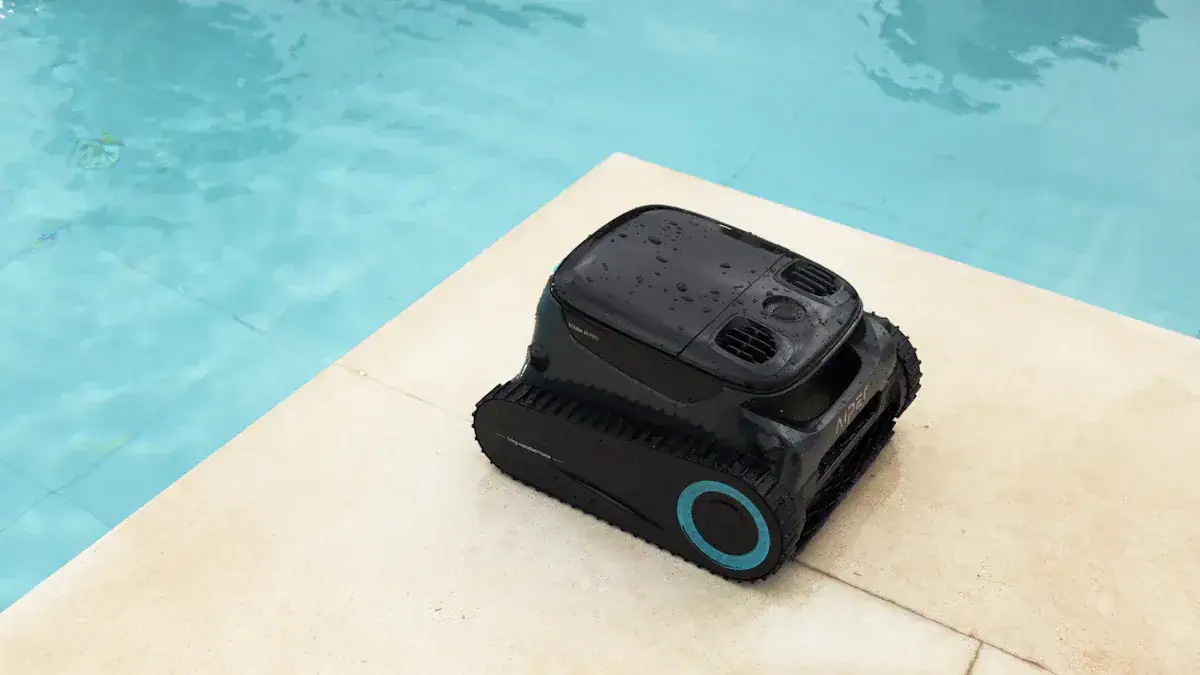
An automatic pool water leveler is a device that keeps your pool’s water at a consistent water level. It adds water to your pool automatically when the level drops. You can find different types of these devices. The most common types are mechanical levelers and electronic levelers. Mechanical levelers often use a simple float mechanism. Electronic levelers use more advanced sensors. Both types ensure your pool always has enough water.
How It Functions
Automatic pool water levelers detect low water levels using various sensors. Some systems use probe-style sensors. These sensors continuously monitor the water. If the water level drops too low, the system activates. Other systems use digital or analog water level sensors. Digital sensors are like metal prongs. Analog sensors are like a pool water level float. When the water level in your pool goes down, these sensors tell the system to add water.
A common setup for a pool auto fill valve involves an outdoor-rated water solenoid valve. This valve connects to your home’s water supply. It controls the flow of water into the pool. The system adds water until the sensor indicates the desired level. For example, the H2Flow Controls LevelSmart system uses a waterproof sensor at the waterline. This sensor measures the current water level. It sends this data wirelessly to a controller. If the controller detects a low water level, it opens a valve. This valve stays open for a set time, usually 7 minutes. This allows water to fill the pool. A safety feature shuts off the valve after this time. This prevents overfilling your pool.
Many swimming pool automatic fillers can connect to a standard garden hose. These systems often use a float valve water leveler. When the water level drops, the pool water level float triggers the system. It adds water. Once the pool reaches the correct volume, the pool water level float activates an automatic shut-off. This brings the pool to its optimal level. You can also adjust settings for maintaining water levels. A good practice is to keep the water level at the middle of the skimmer opening. This ensures proper water level control.
Benefits of an Autofill for Pool
An autofill for pool offers many advantages. You gain peace of mind and protect your investment.
Equipment Protection
Low water levels severely damage your pool equipment. The pump is especially vulnerable. When the water level drops too low, the skimmer draws in air. This causes the pump to work excessively. It can lead to overheating and even melting. This damaging process is called cavitation. Cavitation happens when pumps draw in air instead of water. Replacing a pump is expensive. It can disrupt your entire pool system. Air in the circulation system also increases pressure on your pool filter. It can cause your circulation lines to stop functioning. An autofill for pool prevents these issues. These autofill systems protect your valuable equipment.
Time and Effort Savings
You save significant time and effort with an autofill for pool. You no longer need to manually check the water level. You do not need to drag out a hose to refill your pool. The system handles this task automatically. This provides great convenience for you. You will appreciate this convenience. You can spend more time enjoying your pool. You spend less time on maintenance.
Chemical Balance
Maintaining a consistent water level helps keep your pool chemicals balanced. When water evaporates, chemical concentrations change. An autofill for pool ensures a steady water volume. This makes it easier to manage your chemical levels. You use fewer chemicals over time. This saves you money.
Preventing Damage
Beyond equipment, an autofill system protects the structure itself. Extreme low water levels can expose the liner or plaster. This can lead to cracking or drying out. An autofill for pool prevents this structural damage. It maintains the correct water level. This safeguards the pool’s integrity.
Water Conservation
An autofill for pool helps with water conservation. Manual refilling often leads to overfilling. You might forget the hose is running. An autofill system adds only the necessary amount of water. It shuts off automatically. This prevents water waste. It ensures efficient water use for your pool. This is a key benefit of using autofill systems.
Choosing the Right Autofill System
You want to select the best autofill for your pool. This choice depends on your pool’s setup and your preferences. Choosing the right autofill system ensures efficient water management.
Leveler Types
Automatic pool water levelers come in different designs. Some are standalone units. You connect these to a garden hose. They are easy to install. Other autofill systems require more integrated plumbing. These connect directly to your home’s water supply lines.
You will find two main types of levelers: mechanical float-valve levelers and electronic sensor levelers.
Feature | Float-Valve Levelers (Mechanical) | Electronic Sensor Levelers (e.g., Float Switch, Ultrasonic) |
|---|---|---|
Electronics | No electronics involved | Require electronic components |
Signal Output | Purely mechanical, no electronic signal | Convert movement/waves into electrical signals |
Data Display | Local indication only (e.g., graduated bar) | Remote data display in control room |
Control | No direct control signal | Can send signals to PLCs for pump control, alarms |
Accuracy | Basic, depends on visual reading | High accuracy |
Cost | Low cost | Higher cost, but can be cost-effective for float switches |
Complexity | Simple design, few moving parts | More complex, potential for maintenance |
Corrosive Liquids | Not suitable unless special measures are taken | Ultrasonic sensors are a good choice for corrosive liquids |
The LevelSmart Wireless Autofill is an example of an electronic system. It offers easy installation. You can retrofit it to many existing pools.
Key Features
Consider key features when you choose an autofill. Look for accuracy in water level detection. Some autofill systems offer remote monitoring. This lets you check your pool’s water level from anywhere. You might also want a system with safety shut-offs. These prevent overfilling your pool. Durability is also important. Choose a unit made from weather-resistant materials.
Pool Compatibility
Your pool’s design affects compatibility. The Aqua-Lev system, for example, installs easily into existing pool plumbing. It does not interfere with other pool maintenance equipment. This system operates remotely at the pump-filter location. No in-pool components affect your pool’s look.
Installation often needs access to existing pipes outside the pool. You need a water supply near the pool. Some installations might require core-drilling through the pool wall. This connects PVC pipes. You can even use unused pool heater plumbing for a DIY system. This relies on the principle of ‘communicating vessels’. Water in unused plumbing will be at the same level as the pool. This allows for level sensing and automatic refilling.
Consider these points for your pool:
Deck Compatibility: Does your pool have raised coping? Is there a significant drop to the water? You might need an adjustable unit or a custom model.
Pool Type: Not all models work for both in-ground and above-ground pools. My Pool Filler™ offers an above-ground solution. It does not require drilling into the cap rail.
You can find an autofill system that fits your specific pool needs.
Automatic Pool Water Leveler Installation
You can add an automatic pool water leveler to your existing pool. This process involves several steps. You need to prepare your tools and understand your system. Proper installation ensures your autofill works correctly.
Tools and Preparation
You need specific tools before you begin your automatic pool water leveler installation. Gather items like a tape measure, a drill, PVC cement, and a pipe cutter if you work with integrated plumbing. You might also need a wrench for hose connections. Always read your specific autofill system’s manual. Each model has unique requirements. For example, a Pentair Model T40-F requires flush installation with a bond beam. It needs a 1½-inch equalizer pipe, a ¾-inch fresh water supply, and a ¾-inch overflow pipe. You must understand these details for your chosen system. Plan where you will place the unit. Ensure easy access to a water source.
Water Connection
Connecting your autofill to a water supply is a critical step. You have options for this connection. Many easy-to-install autofill systems connect to a standard garden hose. You simply screw a stainless steel hose into the plastic parts of the autofill unit.
For more integrated systems, you connect to your home’s plumbing. You might need to sweat a tee onto a pipe for this water connection. This creates a branch for your autofill line.
Here are steps for connecting an automatic pool water leveler to a water supply line:
Attach the hose coupler assembly to one of the short pieces of pipe on the vertical pipe.
Place the entire unit in your pool to check its height. Connect it to your hose. Do not turn on the water yet. The PVC has not been cemented. Ensure the float sits about midway in the water. Both the valve and float position are adjustable.
Once the unit is ready, place it in your pool. Connect the hose and turn on the water. Adjust the valve height and float location until the water flow stops automatically.
You must consider local codes for your autofill line. Local plumbing codes often require backflow prevention devices. These devices protect your drinking water supply from contamination. Backflow can introduce chlorine, chemicals, and bacteria into your potable water. This happens due to backsiphonage or backpressure. The type of backflow preventer you need depends on your pool’s elevation. If your pool is below the water source, use an Atmospheric Vacuum Breaker (AVB). If your pool is above the water source, you need a Pressure Vacuum Breaker (PVB) or a Double Check Valve Assembly (DCVA). Proper installation of these devices is a legal requirement. It is essential for public health.
Securing the Unit
You must secure your autofill unit properly. This prevents movement and ensures accurate water level sensing. Many standalone units sit on the pool deck. You might use weights or anchors to keep them in place. Some units attach to the coping or side of the pool. Follow your manufacturer’s instructions for securing your specific model. A stable unit provides consistent water level maintenance.
Initial Testing
After installation, you must perform initial testing. Turn on the water supply to the autofill. Observe the unit as it fills your pool. The system should add water until it reaches the desired level. Then, it should shut off automatically. You can adjust the float or sensor settings if the water level is too high or too low. Create a small drop in the pool’s water level. You can do this by removing some water. Watch to see if the autofill activates and refills the pool. This confirms your autofill is working correctly. This initial test ensures your automatic pool water leveler maintains the perfect water level.
Using Your Pool Automatic Filler
You have installed your pool automatic filler. Now you need to understand how to use it. Proper setup and regular checks ensure your system works well. This section guides you through using your pool automatic filler effectively.
Setup and Calibration
You must set up and calibrate your pool automatic filler correctly. This ensures it maintains your desired water level. First, you need to bring your pool’s water to the exact level you want. This is your target level.
For systems like the LevelSmart, you calibrate the sensor at this desired water level. You hold a magnet over the bottom right corner of the Level Sensor. Keep it there for 2-4 seconds. The sensor’s green LED will flash three times. This shows the calibration has started. The Valve Controller’s green LED will flash for one minute during this process. Once calibration finishes, the green LED will turn solid. The system might then start a brief water fill cycle. This brings the water to the newly set level.
💡 Tip: If you need to adjust the water level later, simply bring the water to your new desired level. Then, repeat the process. Hold the magnet over the sensor for 2-4 seconds to recalibrate. This makes sure your pool automatic filler always knows the correct level.
Daily Operation
Your pool automatic filler works mostly on its own. You do not need to do much daily. The system continuously monitors your pool’s water level. When the water drops due to evaporation or splash-out, the autofill activates. It adds water until the correct level is restored. Then, it shuts off.
You should still do a quick visual check of your pool each day. Look at the water level. Make sure it appears consistent. Check for any obvious leaks or issues with the autofill unit. This simple check helps you catch problems early. The system handles the rest. You can enjoy your pool without constant worry about its water level.
Seasonal Adjustments
You might need to make seasonal adjustments to your pool automatic filler. During winter, many people close their pools. You should turn off the water supply to your autofill system. This prevents it from adding water to a closed pool. It also protects the unit from freezing temperatures.
During periods of heavy rain, you might also turn off your autofill. Too much rain can overfill your pool. The autofill would then try to add more water, which is not needed. Conversely, during hot, dry spells, your autofill will work more often. Evaporation increases significantly. The system will add more water to keep the level stable. You do not need to change settings for this. The system automatically compensates for increased water loss.
Maintenance and Troubleshooting
You ensure the longevity and efficiency of your automatic pool water leveler with regular maintenance. Proper care prevents common problems. It keeps your pool’s water level consistent.
Routine Care
You should perform routine checks on your autofill system. Inspect the unit for any visible debris. Leaves or dirt can obstruct the float mechanism. Clean the float valve if you see any build-up. This prevents the float from getting stuck. You can also check the water supply line for kinks or damage. These simple steps help maintain the optimal performance of autofill systems. They ensure your pool always has the correct water level.
Leak Detection
Leaks can cause significant water loss from your pool. You need to detect them early.
Regular Inspections: Look for wet spots around the pool deck. Check for cracks or lifting.
Dye Tests: Use a dye test to pinpoint leak locations.
Monitor Water Bills: A sudden increase in your water bill can indicate a leak.
Turn Off Autofill Temporarily: Disable the autofill and observe water level changes. Do this over a few days.
The Bucket Test: Compare water loss in the pool versus a bucket placed in the pool. This helps you differentiate between leaks and evaporation.
Common Issues
You might encounter a few common issues with your autofill system.
Leaks: Leaks can occur through the overflow line. They can also happen around the lid. Cracked pipes or fittings due to ground movement are another cause. You can use Pool Putty for cracked cylinders. You can also plug equalizer lines.
Malfunctioning Valve: An autofill valve can leak through the overflow. It can also leak around the lid if it malfunctions.
Debris and Scum: Debris can cause the float to get stuck. This makes it always on or always off. Fluidmaster valves can also have sediment build-up. This reduces water flow. You can clean the shaft. You can also flush the valve in reverse.
Float Adjustment: Auto-fill floats may need occasional adjustments. This maintains the optimal water level. You can use a wing nut on T26 Brass Valves. You can also squeeze a clip and turn the valve on FluidMaster style valves. Replacing the valve assembly can also fix issues. This is similar to replacing a toilet valve.
Winterization
You must properly winterize your autofill system. This prevents damage from freezing temperatures. Close the water supply valve to the unit. Open any bleeder valves on the RPZ (Reduced Pressure Zone) device. This drains any remaining water. This step protects the autofill from cracking. It also protects water supply lines.
An automatic pool water leveler offers great convenience. It simplifies your pool maintenance. These autofill systems protect your pool equipment. You save time and effort. This upgrade makes your pool ownership more enjoyable. You will use less water. It ensures consistent water levels. Consider an autofill for your pool. You will use it daily without thought. These autofill systems provide ultimate convenience. Share your experiences or ask us questions about water management.
FAQ
What is the ideal water level for your pool?
You should keep your pool’s water level at the middle of the skimmer opening. This ensures proper water circulation. It also prevents your pump from drawing in air. Maintaining this level protects your pool equipment.
What happens if your autofill system overfills the pool?
Most autofill systems have safety features. They prevent overfilling. For example, the LevelSmart system shuts off after a set time. This stops water flow. You can also turn off your autofill during heavy rain. This avoids excess water.
What kind of water supply does an autofill need?
Many autofill systems connect to a standard garden hose. More integrated systems connect directly to your home’s plumbing. You need a reliable water source near your pool. This ensures continuous operation.
What is the difference between a mechanical and electronic autofill?
Mechanical autofills use a simple float mechanism. They have no electronics. Electronic autofills use advanced sensors. These sensors detect water levels. They send signals to a controller. Electronic systems often offer more precise control.