A home’s roof provides essential protection from the elements. It also adds to a home’s overall look. Roofing tiles offer durable protection. Many types of roofing tiles exist. Popular roof tile varieties include slate roof tiles, composite roof tiles, and cedar shake. Among various slate roof tile options, clay, concrete, and metal stand out. These primary roof tile options are popular and durable roofing materials. Understanding their unique characteristics helps homeowners choose the best roofing tile materials for their roof.
Key Takeaways
Clay tiles offer classic beauty and last a very long time. They are good for warm places but are heavy and cost more.
Concrete tiles are strong and come in many styles. They cost less than clay tiles but are also heavy and can fade over time.
Metal tiles are light and save energy. They last a long time and are good for the environment. However, they can be noisy and cost more to install.
The best roof tile depends on your budget, the weather where you live, and the look you want for your home.
Clay Roof Tiles: Characteristics and Benefits
Composition and Appearance
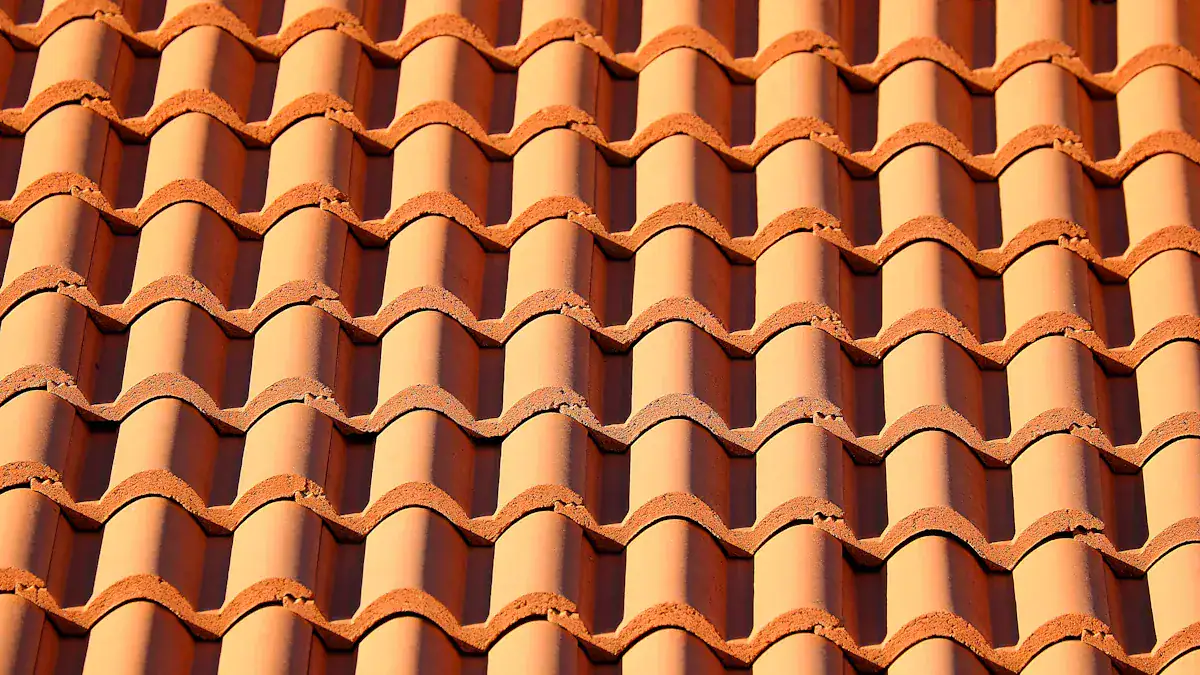
Manufacturers create clay roof tiles from natural clay. They mold and then fire the clay at high temperatures. This process gives them their distinct color and hardness. Clay tiles come in various shapes and styles. These include flat, S-shaped, and barrel tiles. Their natural earth tones, like terracotta, add a classic and elegant look to any home.
Performance and Durability
Clay roof tiles offer exceptional durability. They withstand harsh weather conditions very well. With proper attachment, these roofing materials can endure winds exceeding 125 miles per hour. Some tests show they can even handle wind speeds up to 200 MPH, meeting strict building codes for hurricane zones. Clay tiles also boast a Class A fire resistance rating. This is the highest standard for roofing materials. It means they do not burn and protect a home from severe fire exposure. Clay tiles are known for their long lifespan. They often last between 50 and 100 years. Some clay roof tile options can even exceed 100 years in favorable conditions.
Climate Suitability
Clay performs well in many climates. Its natural properties help it resist heat and cold. It is especially popular in warm, sunny regions. The tiles help keep the interior of a home cooler.
Clay Tile Advantages
Clay tiles offer many benefits. Their long lifespan means less frequent replacement. Their fire and wind resistance provide excellent protection. They also enhance a home’s curb appeal with their timeless beauty.
Clay Tile Disadvantages
Despite their benefits, clay has some drawbacks. Clay roof tiles are heavy. They typically weigh between 9 and 12 pounds per square foot. This weight often requires extra structural support for the roof. They also cost more than some other roofing materials. Installation, including materials, generally ranges from $9.72 to $14.05 per square foot. Specialized styles, like barrel tiles, can cost even more.
Concrete Roof Tiles: Options and Performance
Design and Aesthetics
Concrete roof tiles offer great versatility in design. Manufacturers create them from a mixture of sand, cement, and water. They are available in natural, synthetic, or fiber options. This allows for a wide range of styles and colors. Concrete tiles can mimic the look of wood shakes, clay tiles, or natural slate. Pigments are added to the concrete mix. This creates colors that last. These roof tiles provide a beautiful and durable finish for any home.
Strength and Longevity
Concrete roof tiles are very strong. They provide excellent protection for a home’s roof. Their manufacturing process makes them dense and resistant to impact. Concrete roof tiles typically have an average lifespan of approximately 50 years. This duration can extend significantly, potentially up to 100 years. This depends on the quality of materials, installation practices, local climate conditions, and consistent maintenance. This impressive durability makes them a long-lasting roofing material.
Climate Versatility
Concrete performs well in diverse climates. It resists damage from freezing and thawing cycles. It also withstands high winds and heavy rain. This makes concrete a reliable choice for many regions. Its thermal mass helps regulate temperatures inside the home.
Concrete Tile Benefits
Concrete roof tile options offer several advantages. They are highly durable and long-lasting. They also provide good fire resistance. Professional installation of concrete roof tiles typically ranges from $9 to $18 per square foot. This cost includes both materials and labor. This makes concrete tiles the most economical choice among tile roofing materials. Their wide range of styles also enhances a home’s curb appeal.
Concrete Tile Drawbacks
Concrete roof tiles do have some disadvantages. They are heavy, similar to clay tiles. This weight can require extra structural support for the roof. While economical among tile options, their initial cost is higher than some other roofing materials. The color of concrete tiles can fade over time due to sun exposure.
Metal Roof Tiles: Durability and Style
Material Types and Finishes
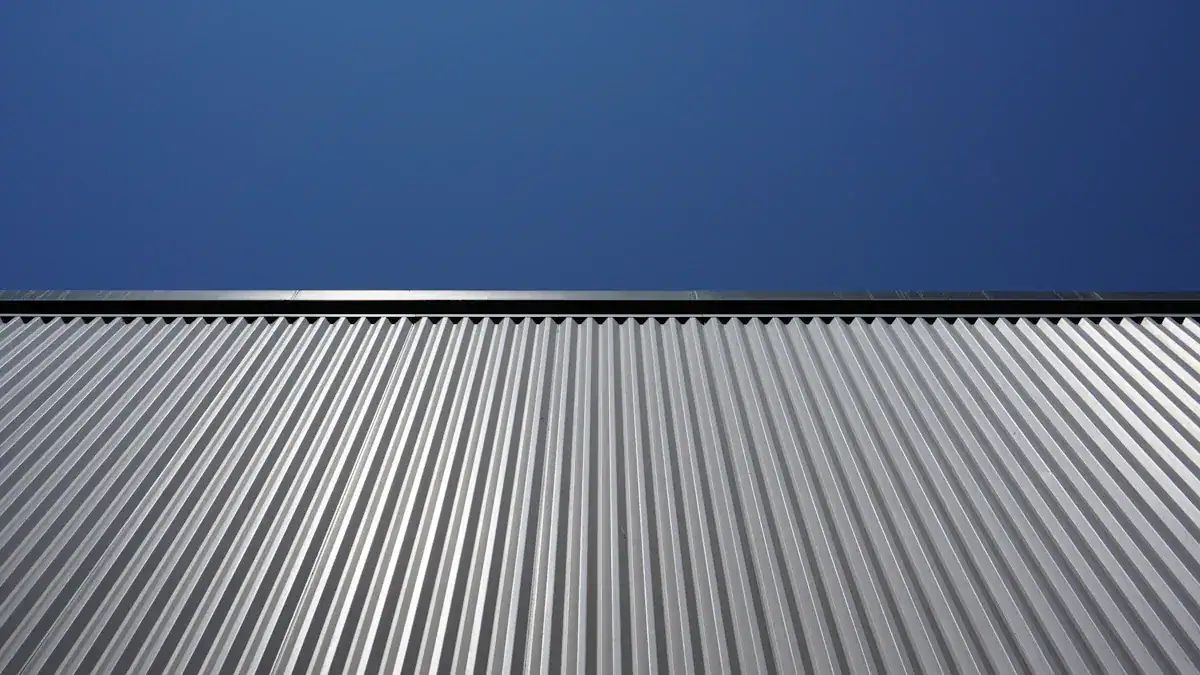
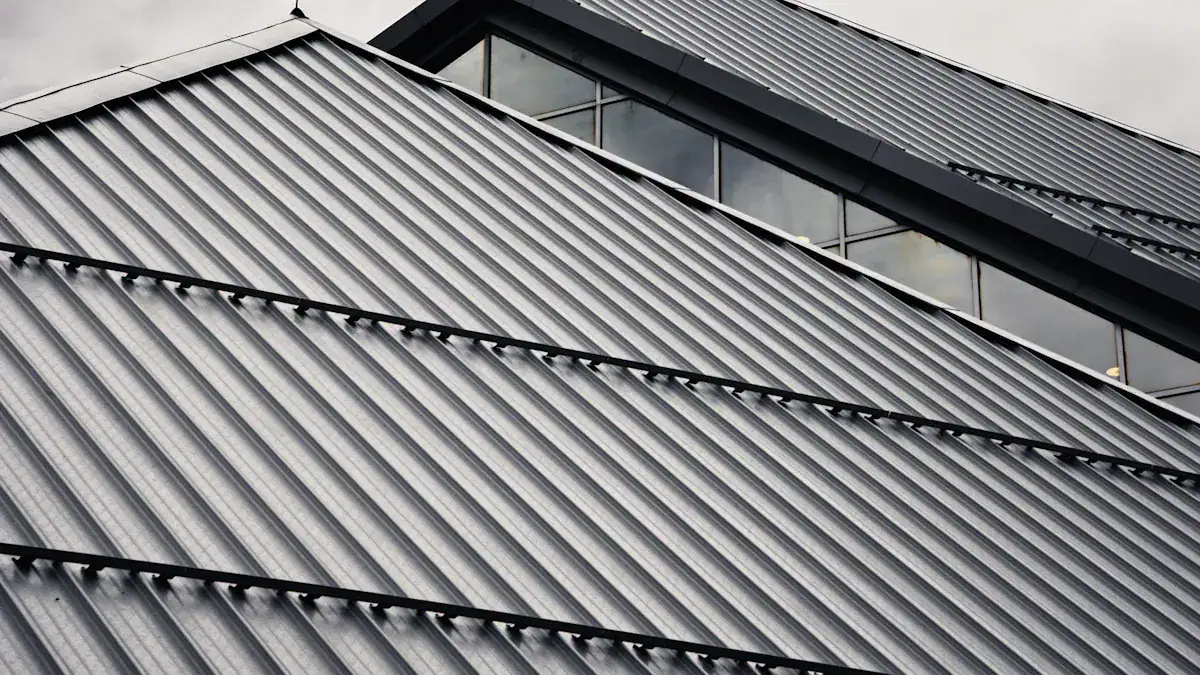
Metal roof tiles offer diverse looks and finishes. Stone-coated metal roof tiles resemble traditional roof shingles, shakes, or tiles. They provide fire resistance and a long lifespan. Metal shingles give the look of classic shingles with added metal durability. These mimic wooden or asphalt shingles. Metal tiles are designed to look like ceramic or clay tiles. They feature textures and patterns. Metal slate mimics natural stone slate roofing with a staggered design.
Common materials for metal roof tile options include:
Galvanized Steel: Zinc-coated for rust protection, balancing durability and cost.
Galvalume Steel: Combines zinc and aluminum for enhanced corrosion resistance.
Weathering Steel (Corten): Develops a stable, rust-like appearance for protection, used for a rustic look.
Stone-Coated Steel Roofing combines steel’s strength with the look of traditional roofing materials. Metal Shingle Roofing often uses steel. It copies the look of asphalt shingles, wood shakes, or slate roofing. It offers long-lasting durability.
Energy Efficiency and Resilience
Metal roof tiles are very energy efficient. They help a home stay cool. Reflective metal roofs can reduce cooling costs by up to 25%. For every 10% increase in roof reflectance, heating/cooling costs decrease by 2 cents per square foot annually. Also, for every 1% increase in roof reflectance, the surface temperature of the metal roof drops by 1 degree Fahrenheit. This makes them a smart choice for energy savings. Metal also resists fire, wind, and hail. This resilience protects the home from harsh weather.
Environmental Impact
Metal roof tiles are often made from recycled content. Manufacturers can also recycle them at the end of their life. This reduces waste in landfills. Their long lifespan also means fewer replacements. This further lowers their environmental footprint.
Metal Tile Pros
Metal roof tiles offer many benefits. They are very lightweight. Most metal roofs weigh between 1 to 1.5 pounds per square foot. This is much lighter than clay or concrete. This weight often means no extra structural support is needed for the roof. For example:
Metal Type | Weight (lbs/sq ft) |
|---|---|
Aluminum | 0.7 |
Steel | 1 |
Copper | 1.25 |
Zinc | 1 to 1.5 |
Stone-Coated Steel | 1 to 2 |
Metal roofs typically last between 40 and 70 years. Some, like copper and zinc, can exceed 100 years. This extended durability means a metal roof will often be the last roof a homeowner needs. Regular maintenance can extend its lifespan. This durability makes them excellent roofing materials. |
Metal Tile Cons
Metal roof tiles have some drawbacks. Their initial cost can be higher than other roofing materials. Metal shingles, a type of metal roof tile, typically cost between $10.50 and $14.00 per square foot, including installation. For metal roofing, the cost can range from $8.50 to $16.00 per square foot with installation. Installation requires specialized skills. This can increase labor costs. Some metal roof tile options can also be noisy during heavy rain or hail.
Comparing Types of Roofing Tiles
Choosing the right roof for a home involves many factors. Homeowners consider cost, lifespan, weight, appearance, and installation. This section compares clay, concrete, and metal roof tiles across these key areas.
Cost Comparison
The initial cost of roofing materials varies greatly. This includes both the materials and the labor for installation.
Material Type | Average Installed Cost Per Square Foot (2025) |
|---|---|
Metal Roofing | $8.00 – $14.00 |
Clay or Concrete Tile | $10.00 – $18.00 |
Clay tiles are generally more expensive than concrete tiles. Natural roofing materials like terracotta, a type of clay, typically cost more. Clay offers benefits like longer lifespans and lower water absorption. This helps prevent water damage. However, clay can be fragile in cold temperatures. It breaks easily during freeze-thaw cycles. This makes clay more suitable for warmer climates. Concrete tiles are less expensive. They provide strong protection against severe weather and high winds. Concrete tiles are heavier. They require professional installation due to structural needs. Concrete tiles have a shorter lifespan than clay tiles. Still, they remain a durable and cost-effective option. Metal roofing often falls in a similar price range to clay or concrete.
Lifespan and Warranty
The lifespan of a roof is important for long-term value. Warranties protect against material defects.
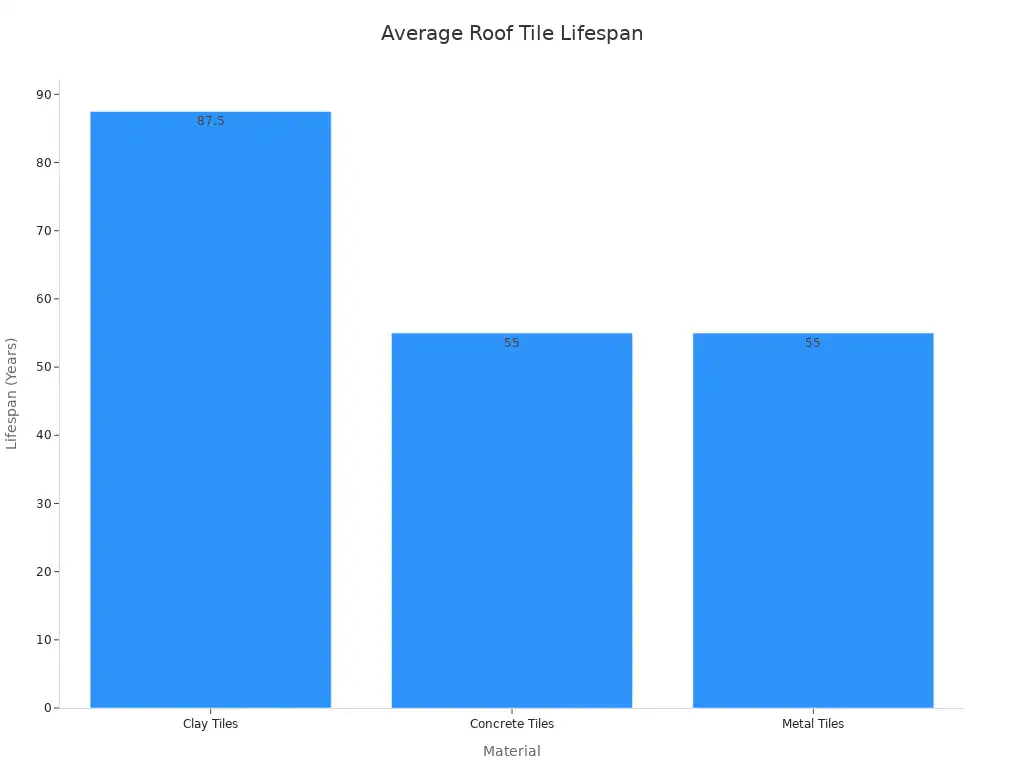
Material | Average Lifespan |
|---|---|
Clay Tile | 50-100 years |
Concrete Tile | 50-75 years |
Metal | 40-70+ years |
Clay and concrete tiles typically last between 50 and 100 years. Metal roofing follows with an average lifespan of 40 to 70 years or more. Clay roof tiles generally last longer than concrete roof tiles.
Manufacturers commonly offer a “lifetime warranty” on materials like tiles. This warranty ensures replacement if the material fails before the warranty period ends. For example, Steel Tile provides a 40-year limited transferable warranty for their metal roofing systems. These systems feature special paint finishes that meet solar reflectance needs. The term “Lifetime Warranty” for metal roofs can be unclear. It may have hidden conditions. Homeowners should ask whose “lifetime” the warranty refers to. This could be the homeowner’s, the company’s, or the product’s. Its meaning can change. Some roofing companies may also close or change names. This can affect warranty promises.
Weight and Structure
The weight of roof tiles affects the structure of a home.
Material | Weight per Square Foot |
|---|---|
Metal | 0.5 to 1.5 pounds |
Clay Tiles | 8 to 12 pounds |
Concrete Tiles | 9 to 15 pounds |
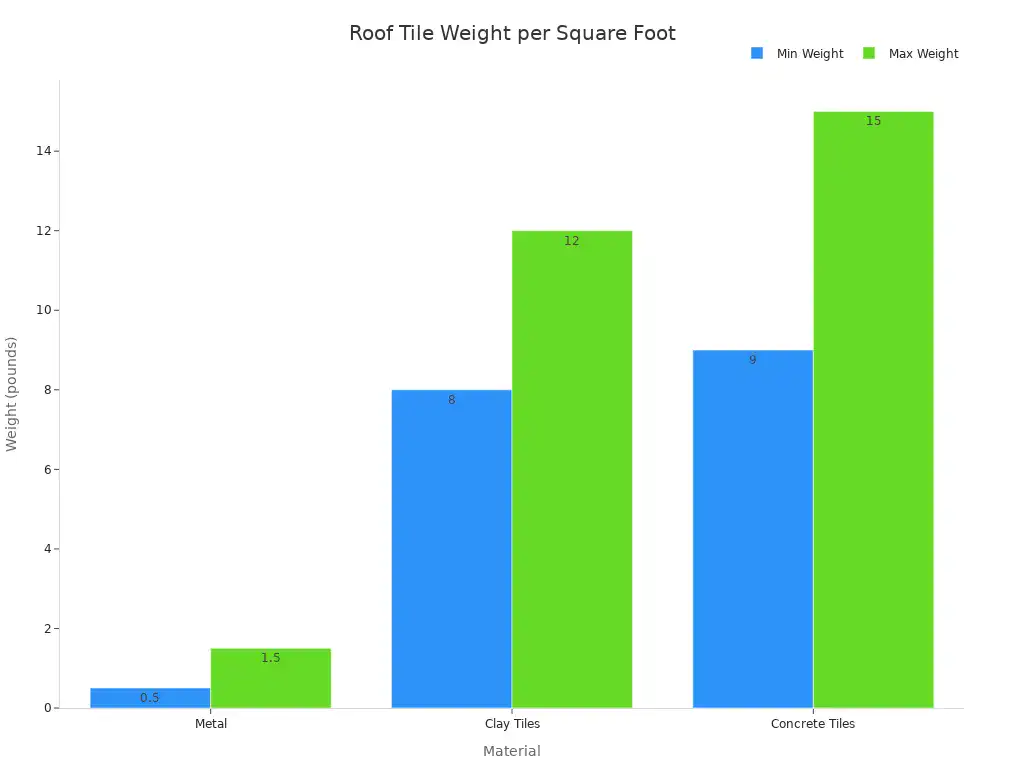
Metal is the lightest option. Clay and concrete are much heavier. If a home was not built for a heavy clay or concrete tile roof, it will likely need structural reinforcement. This means adding supports or upgrading trusses. For example, 1,000 square feet of clay Spanish barrel tiles can weigh close to 10,000 pounds. This is much more than asphalt shingles. For heavier materials like clay or concrete tiles, trusses may need closer spacing. They might be 16 to 20 inches apart. For metal roofs, standard 24-inch spacing is often enough. However, factors like panel profile and wind resistance can change this.
Aesthetic Options
The appearance of the roof greatly impacts a home’s curb appeal.
Clay roof tiles come in various colors. These include white, yellow, orange, and brown. Terracotta is the most common color for clay tiles. The manufacturing process fires molded clays at high temperatures. This bonds the color to the tiles and prevents fading.
Concrete roof tiles offer great versatility. They can mimic traditional clay tiles, wood shake, slate, and stone. Available profiles include:
Mission style with pans and covers
French stool with locking tabs
Interlocking shingle style
Spanish style profiles
Concrete roof tiles offer many colors, patterns, and textures. They can look like clay, slate, and wood shake. Color choices range from dark tones to muted hues and striking blends. Concrete tiles come in various barrel and flat shapes. These complement both traditional and modern architectural styles.
Metal roof tiles also offer diverse looks. Stone-coated metal roof tiles resemble traditional shingles or tiles. Metal shingles look like classic shingles. Metal tiles are designed to look like ceramic or clay tiles. Metal slate mimics natural stone slate.
Installation Factors
Installation complexity affects the overall cost and timeline of a roofing project.
Clay roof tiles present specific installation challenges. Their higher cost includes the tiles and potential extra labor. An engineer often needs to check the building’s structure. This ensures it can support the weight of clay tiles. Clay tiles are heavier than metal and often concrete. Clay roof tiles are difficult to install if installers lack training and experience. They are not suitable for all roof slopes. This includes slopes with a pitch less than 4:12. Installation usually requires extra framing to support the weight. This adds to labor and material costs.
Concrete tiles are less expensive than clay. They may also need extra structural support. This places them between clay and metal in terms of weight and installation difficulty. Metal roofing is often a budget-friendly option. This is due to its lightness and quicker installation times. However, metal installation requires specialized skills. This can increase labor costs.
Clay, concrete, and metal roof tiles each offer distinct advantages and disadvantages. Clay provides classic beauty and exceptional durability for a long-lasting roof. Concrete gives versatility in design and robust strength. Metal offers lightweight energy efficiency and resilience. The best roof choice depends on individual priorities. These include budget, climate, desired aesthetic, and long-term maintenance goals for your home. Always consult roofing professionals for personalized advice. They help consider local building codes and environmental factors for your home’s roof.
FAQ
What are the main types of roof tiles?
The main types of roof tiles are clay, concrete, and metal. Each type offers unique characteristics and benefits for homeowners.
What is the average lifespan of clay roof tiles?
Clay roof tiles typically last between 50 and 100 years. Some can even exceed 100 years with proper care and ideal conditions.
Do concrete roof tiles require extra structural support?
Yes, concrete roof tiles are heavy. They often require extra structural support for the roof. This ensures the home can safely bear their weight.
What makes metal roof tiles energy efficient?
Metal roof tiles are energy efficient because they reflect sunlight. This reflection helps keep the home cooler. It can reduce cooling costs significantly.
Which roof tile option is the lightest?
Metal roof tiles are the lightest option. They weigh between 0.5 to 1.5 pounds per square foot. This often eliminates the need for extra structural support.