
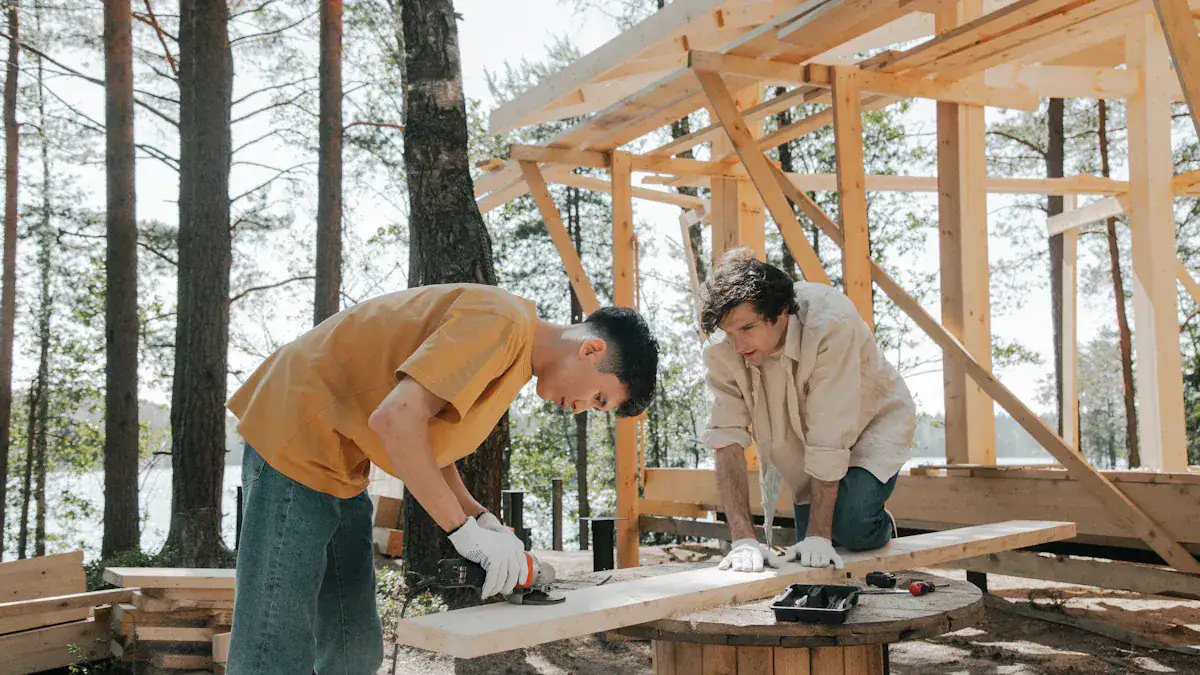
Carpentry is a broad trade. It involves working with wood to construct and repair structures. This essential craft forms the backbone of many buildings. Within carpentry, rough carpentry and finish carpentry are two specialized areas. They are distinct yet interconnected forms of carpentry. This blog clarifies the differences in roles, skills, tools, and objectives between these crucial aspects of carpentry. Understanding these distinctions helps homeowners plan projects. It also guides individuals considering a carpentry career in carpentry.
Key Takeaways
Rough carpentry builds the hidden frame of a building. It makes sure the building is strong and safe.
Finish carpentry adds all the visible parts. It makes the building look good and work well.
Both types of carpentry are very important. Rough carpentry makes the building stand up, and finish carpentry makes it a nice place to be.
Some carpenters can do both jobs. Many carpenters choose to be very good at one type of carpentry.
What Is Rough Carpentry
Rough Carpentry Defined
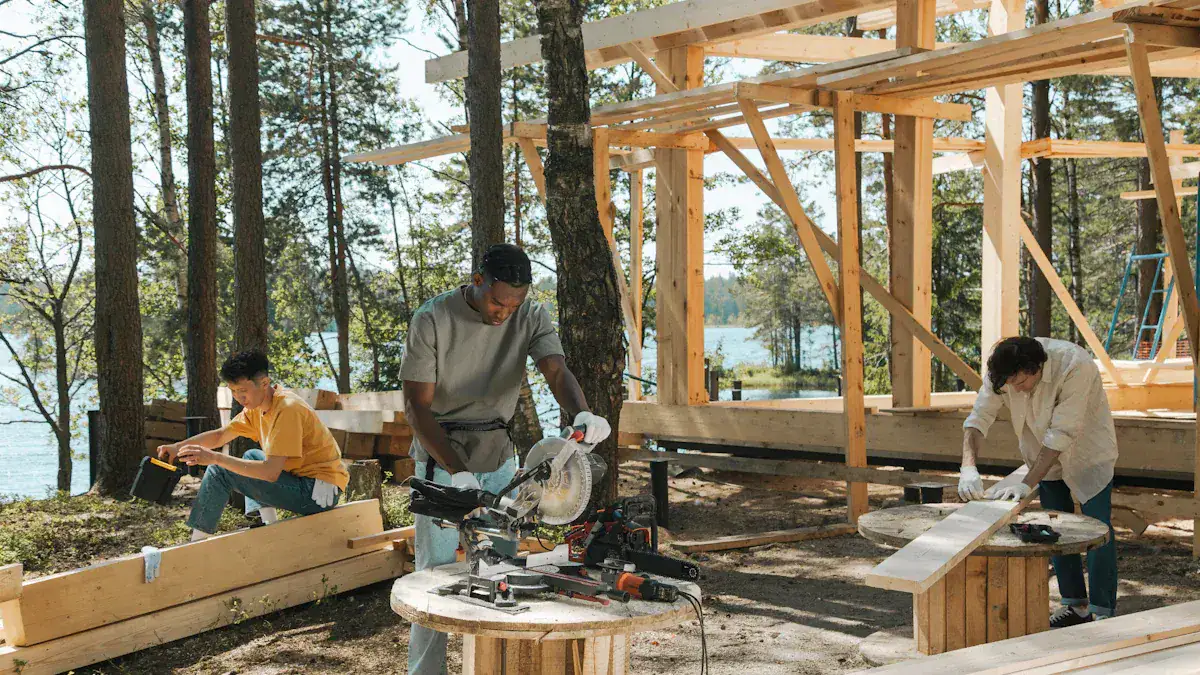
Rough carpentry creates a building’s framework. It involves the wooden studs that establish the shape of walls and ceilings. The term ‘rough’ indicates that other surfaces will later hide this work. Yet, it still demands a high level of skill. Rough carpentry is the preliminary framing, boxing, and sheeting of a wood frame building. This forms its structural framework. It involves constructing the building’s skeleton. Finishing materials will later cover this skeleton.
Rough Carpentry Purpose
Rough carpentry is ‘framing’ in construction. It involves building and installing essential structural foundations. These include wood and steel frames. Examples of structures include bridges, scaffolds, and roof supports. It includes tasks like putting up walls, roofs, and floors. It encompasses creating door and window openings and staircases. Rough carpentry is responsible for a building’s skeleton. It is the fundamental craftsmanship behind the structural framework of buildings and various structures. People often refer to it as the “bones” of construction. It serves as the vital support system. The rest of the structure relies upon this system.
Rough Carpentry Tasks
Rough carpenters perform many foundational tasks. They build structural frameworks for walls, floors, and roofs. They install subflooring. They frame openings for doors and windows. They also handle temporary installations like guardrails and hoarding. Rough framers measure, cut, and assemble lumber for walls and subfloors. They add anchors and other crucial structural supports. They measure and attach studs around door and window openings. They set ceiling joists and install roof trusses. Complex calculations are necessary for features like arches or cathedral ceilings. Other tasks include:
Deck Framing: This involves framing decks with sturdy beams and joists.
Roof Construction: This includes crafting rafters or installing prefabricated trusses. These withstand environmental loads.
Interior Partition Walls: Carpenters construct 2×4 stud walls to define rooms and spaces.
Floor Joist Installation: They set up joists to form the foundation for flooring. This ensures proper spacing and bracing.
Garage and Shed Construction: They frame smaller structures to ensure their longevity.
Rough Carpentry Materials
Rough carpentry primarily uses structural lumber. This includes various sizes of dimensional wood. Plywood and OSB (Oriented Strand Board) are also common. These materials form the foundational building components. They provide strength and stability to the structure.
Rough Carpentry Tools
Rough carpenters use a range of robust tools. Hammers are essential for fastening. Circular saws are versatile power tools. They make cuts in various materials like wood, plywood, and composite boards. Reciprocating saws are useful for cutting various materials where straight cuts are not required. Framing squares ensure precise angles. Levels confirm horizontal and vertical alignment. Nail guns, especially framing nail guns, speed up fastening. Power drills are essential for drilling holes and driving screws efficiently. Miter saws make precise crosscuts, bevel cuts, and mitered angles. These are perfect for framing.
Rough Carpentry Skills
Rough carpentry demands a specific set of skills. Carpenters need excellent measurement and cutting accuracy. They must understand structural integrity. They interpret blueprints and plans. Safety is paramount on a construction site. Rough carpenters participate in safety training sessions. They stay alert and aware of their surroundings. They identify potential hazards. They use tools and machinery safely. Only trained workers operate equipment. They keep a clean and organized worksite. They follow proper lifting techniques. They use personal protective equipment (PPE). This includes hard hats, safety glasses, hearing protection, work gloves, and steel-toe boots. They perform tool maintenance and inspection. They maintain a clean job site. They practice good communication and awareness.
Rough Carpentry Project Phase
Rough carpentry occurs early in a construction project. It happens after site preparation and foundation work. It establishes the main structure of the building. This phase finishes before any interior or exterior finishing work begins.
What Is Finish Carpentry
Finish Carpentry Defined
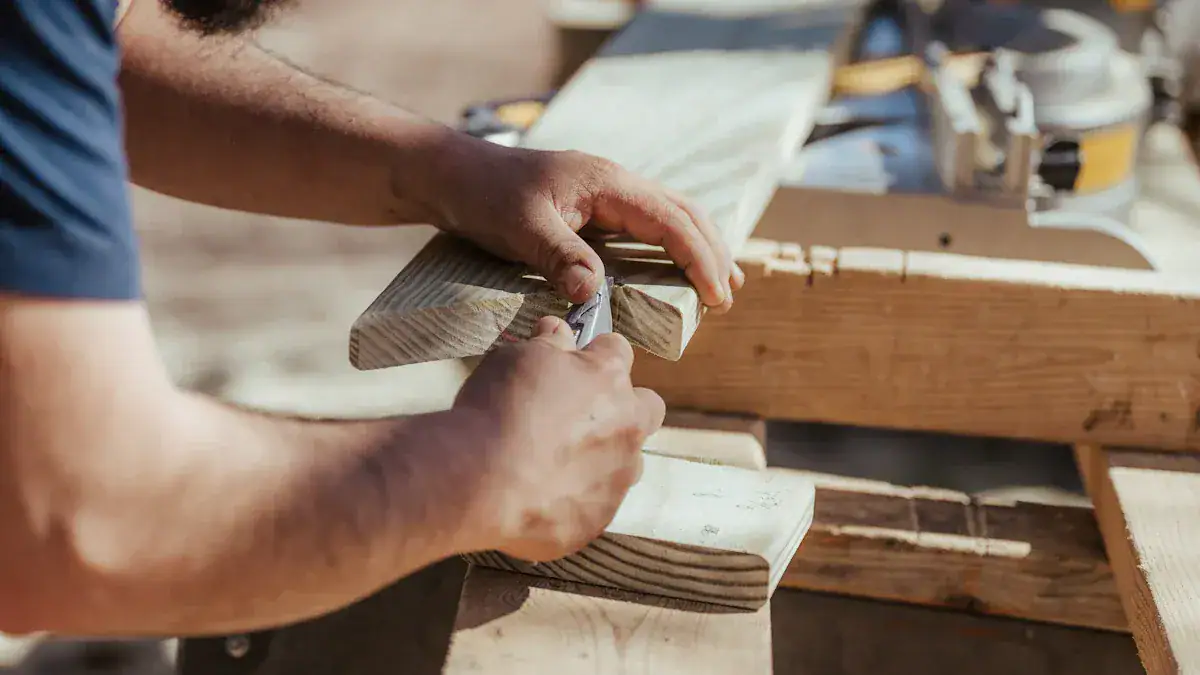
Finish carpentry focuses on the visible elements of a building. It involves the detailed finishing touches that give a structure its final appearance. This type of carpentry makes a space beautiful and functional. It includes all the work people see and touch daily. Finish carpentry transforms a raw structure into a polished, livable space.
Finish Carpentry Purpose
The main purpose of finish carpentry is to combine beauty with function. It adds aesthetic appeal and usability to a space. The right details, such as custom trim or elegant shelving, complement a room’s design. This extra attention elevates the visual appeal. It also adds more usability. For example, custom-built storage in tight spaces makes a home feel more spacious and organized. Finish carpentry enhances visual appeal and optimizes functionality. It provides tailored storage solutions. It blends seamlessly with the room’s design.
Finish Carpentry Tasks
Finish carpenters perform many tasks that enhance a building’s interior. They install doors, windows, and cabinets. They also install trim, such as baseboards and crown molding. Stair banisters and decorative elements are also part of their work. They install various types of trim. These include baseboards, crown moldings, door and window casings, and chair rails. They also install decorative wall paneling and wainscoting. Finish carpenters create coffered ceilings and install decorative ceiling beams. They design and build custom built-in furniture like bookshelves and fireplace surrounds. They create custom millwork, including intricate molding profiles. They also install exterior trim and other architectural elements.
Cabinetry and Shelving: This enhances visual appeal. It optimizes functionality by providing tailored storage solutions. It blends seamlessly with the room’s design.
Door and Window Casing: This serves as decorative trim. It adds depth and character. It provides symmetry and showcases design styles.
Baseboards and Crown Molding: Baseboards shield walls from damage and enhance aesthetics. Crown molding creates a stylish transition between walls and ceilings. It adds polished and sophisticated architectural detail.
Wainscoting: This creates depth, texture, and architectural interest. It protects walls from scuffs and damage.
Custom Interior Door Trim: This enhances the appearance of doors. Doors are often focal points. This trim matches the home’s design theme.
Built-In Shelving: This maximizes storage space. It adds charm and practicality. It gives a bespoke look.
Finish Carpentry Materials
Finish carpentry uses high-quality materials. These include fine woods, veneers, and pre-finished materials. Decorative hardware is also common. These materials contribute to the refined look of the finished product. They often have specific grains, colors, and textures.
Finish Carpentry Tools
Finish carpenters use specialized tools for precision. Miter saws make accurate angled cuts for trim carpentry. Table saws are ideal for long, straight cuts. Chisels are essential for detailed work and cleaning joints. Sanders achieve smooth finishes. Routers add decorative edges or cut grooves. Measuring tapes ensure precise measurements. Finish nail guns drive nails quickly and accurately without damaging surfaces.
Hand Tools:
Chisels: These are essential for tasks like mortising and cleaning out joints. They come in various sizes for detailed work.
Block Plane: Carpenters use this for planning end grain, fitting trim, or easing edges. It achieves perfectly smooth finishes.
Nail Set: This helps countersink nails without damaging the wood surface.
Caulking Gun: This fills gaps and ensures a seamless look between trim and walls. It is especially important in interior finish carpentry.
Power Tools:
Finish Nailer or Brad Nailer: This drives nails quickly and accurately for trim and molding. It secures holds and reduces wood splitting.
Random Orbital Sander: This makes sanding quick and effective. It smooths large surfaces and eliminates minor imperfections.
Router: This adds decorative edges, cuts grooves, or makes custom moldings. It adds versatility and personal touches.
Miter Saw: This allows for quick and accurate angled cuts for molding, trim, and framing. It has an adjustable blade for seamless joints.
Finish Carpentry Skills
Finish carpentry requires a unique set of skills. Attention to detail is crucial for intricate designs and flawless finishes. Mathematical skills are necessary for calculating angles and ensuring perfect fit. Manual dexterity and coordination are vital for working with small tools and delicate materials. Problem-solving abilities help when materials do not fit or unforeseen issues arise. An aesthetic sense helps select harmonizing materials and finishes. Technical skills include mastery of various hand and power tools. Carpenters use precision instruments like laser levels and digital calipers for exact cuts.
Finish Carpentry Project Phase
Finish carpentry typically occurs during the final stages of a construction project. This phase is often called the ‘Finish and Trim Carpentry’ stage. It happens after the rough carpentry and major structural work are complete. Interior finishes like flooring, drywall, windows, doors, and cabinetry are installed. This makes the building usable. It also significantly impacts its aesthetic appeal.
Key Differences
Structural vs. Aesthetic
Rough carpentry and finish carpentry serve distinct primary functions. Rough carpentry lays the groundwork. It creates the primary structure of a building. Its focus is structural integrity, stability, and safety. It provides core structural support. This includes framing, beams, and posts. Finish carpentry focuses on aesthetic and functional completion. It emphasizes visual appeal, detailed design, and functionality. It enhances the space and adds details like trim, cabinets, and doors. Rough carpentry uses large tools like saws and nail guns. Finish carpentry uses smaller, precise tools such as chisels and miter saws. Rough carpentry emphasizes strength, durability, and accuracy in measurements. Finish carpentry prioritizes precision and aesthetics. Rough carpentry serves as a building’s structural framework. It ensures the stability and safety of the structure. Finish carpentry focuses on finishing touches. These touches enhance the aesthetics and functionality of a space. It does not provide core structural support.
Here is a comparison of their structural contributions:
Aspect | Rough Carpentry | Finish Carpentry |
|---|---|---|
Primary Function | Laying groundwork, creating primary structure | Aesthetic and functional completion |
Focus | Structural integrity, stability, safety | Visual appeal, detailed design, functionality |
Contribution | Core structural support (framing, beams, posts) | Enhances space, adds details (trim, cabinets, doors) |
Tools | Large tools (saws, nail guns) | Smaller, precise tools (chisels, miter saws) |
Emphasis | Strength, durability, accuracy in measurements | Precision, aesthetics |
Precision and Tolerances
These two types of carpentry demand different levels of precision. Rough carpentry involves larger tolerances. For light wood-frame construction, positional or layout tolerances are typically +/- 1/4 inch. A 1/4 inch in 8 feet tolerance is also recommended for the straightness of plates and runners. This applies to the true plane of framing. This is especially important when finishes like wallboard or plaster will be applied. Finish carpentry requires much tighter tolerances. Even small errors become visible. They affect the final appearance. The provided evidence does not detail specific tolerance levels for finish carpentry installations. However, the nature of finish carpentry work demands near-perfect alignment and fit. Every detail must be exact.
Material Quality
The materials used in rough carpentry and finish carpentry also differ greatly. Rough carpentry uses robust, often unrefined materials. These materials provide strength. They include structural lumber, plywood, and OSB. These materials are usually hidden from view. Finish carpentry uses higher quality, often pre-finished materials. These materials are visible. They include fine woods, veneers, and decorative hardware. These materials contribute to the building’s final look and feel.
Specialized Tools
Each carpentry specialization uses distinct tools. Rough carpentry relies on heavy-duty power tools. These tools handle large, structural components. Examples include circular saws, reciprocating saws, and framing nail guns. Finish carpentry uses tools for precision and fine work. These include miter saws, table saws, chisels, sanders, and finish nail guns. These tools allow for intricate cuts and smooth finishes. Trim carpentry often uses these precise tools.
Work Environment
The work environments for rough and finish carpenters vary significantly. Rough carpenters primarily work in the early stages of construction. They focus on the basic framework. Their work often involves handling heavy materials. They work in challenging outdoor environments. This role demands significant physical stamina and strength. Finish carpenters typically work indoors. They work in more controlled and cleaner conditions. They often work in completed or nearly completed rooms. Their focus is on installing visible elements.
Project Impact
Both rough carpentry and finish carpentry have a significant impact on a project. Rough carpentry is the backbone of any building project. It creates the frame that holds everything together. It includes load-bearing walls, floors, and roofs. These provide strength and stability to a building. The goal of rough carpentry is to follow design specifications and building codes. It ensures the structure stays strong. The strength of structural elements directly impacts the building’s long-term integrity. If the framework is misaligned, the building might not endure environmental forces. Finish carpentry is an investment in functionality, aesthetics, and long-term property value. It elevates spaces and increases returns. It boosts visual appeal and optimizes functionality. Aesthetics play a significant role in property valuation. Aesthetic enhancements like intricate woodwork or custom moldings create a sense of luxury. Well-designed lobbies, featuring elegant wood paneling and intricate trim, make lasting first impressions. They increase perceived property value. The quality of finish carpentry work directly influences a building’s market appeal.
Can One Carpenter Do Both
The Versatile Carpenter
Some carpenters possess a wide range of skills. They can perform both rough carpentry and finish carpentry tasks. These versatile individuals understand the entire construction process. They can build a structure’s frame and then add the detailed finishing touches. This broad skill set makes them valuable on many projects. They adapt to different stages of construction. Their comprehensive knowledge of carpentry allows them to see a project from start to finish.
Benefits of Specialization
While some carpenters handle both, many choose to specialize. Specialization offers several benefits. Finish carpenters, for example, often find increased earning potential. They can receive health insurance, retirement plans, and bonuses, especially when employed by construction companies. Freelance finish carpenters can set their own rates. They base rates on their expertise and the project’s complexity. Obtaining additional certifications also leads to higher wages. Specializing in areas like custom cabinetry or high-end woodwork attracts higher-paying clients. Experience also increases earnings significantly in carpentry. Highly experienced carpenters with expertise in fine woodworking can even start their own businesses.
When Both Skills Help
A carpenter with both rough and finish carpentry skills is very valuable in certain situations. This is especially true in residential construction. Projects like new home builds and extensive renovations benefit greatly from such a carpenter. They can handle tasks from rough framing to intricate finish carpentry work. Their diverse experience helps them adapt to different building codes and project demands. This makes them effective in various construction environments. These include commercial build-outs and industrial warehouse expansions. Having both sets of skills ensures a smooth transition between the structural and aesthetic phases of a project.
Why Both Are Essential
Foundation of Quality
Rough carpentry provides the essential foundation for any structure. It ensures the building stands strong and safe. Without solid rough carpentry, the entire structure would be unstable. This initial carpentry work creates the skeleton. It must be precise and strong. This foundational carpentry ensures the building’s long-term stability.
Complementary Roles
Rough carpentry and finish carpentry play complementary roles. They follow a specific timeline in construction. Rough carpentry begins after the foundation is complete. It establishes the structural framework. This includes walls, roofs, and floors. This work follows engineering standards. This early phase allows for the installation of essential systems. Plumbing, electrical, and HVAC go in before walls are enclosed. The quality and accuracy of rough carpentry are crucial. Errors can cause big problems later. After rough carpentry passes inspection, insulation and drywall are installed. Finish carpentry takes place at the very end of the project. It happens after rough carpentry, mechanical systems, and drywall are complete. Finish carpentry involves installing visible elements. These include doors, windows, trim, and cabinets. This transforms the construction site. It becomes a livable, functional, and beautiful space. The success of finish carpentry relies directly on the solid and accurate foundation rough carpentry provides.
Integrity and Appeal
Both types of carpentry are vital for a complete building. Rough carpentry ensures the building’s structural integrity. It makes the building safe and durable. Finish carpentry adds the aesthetic appeal. It makes the space beautiful and functional. Together, they create a high-quality structure. One cannot exist successfully without the other. Good carpentry combines strength with beauty. Every successful construction project relies on both forms of carpentry.
Rough carpentry builds the structural framework, focusing on strength and stability. Finish carpentry adds the aesthetic and functional elements, emphasizing precision and visual appeal. Both forms of carpentry are indispensable. They create complete, functional, and aesthetically pleasing structures. Understanding these specializations helps homeowners appreciate structural integrity and aesthetic value. For construction professionals, this knowledge ensures proper project execution and quality standards. It leads to durable, functional, and visually appealing buildings. This understanding is crucial for anyone involved in or interested in building and renovation projects.
Key Distinctions in Carpentry:
Feature | Rough Carpentry | Finish Carpentry |
|---|---|---|
Primary Focus | Structural integrity, framework, support system | Aesthetics, detailed aspects, visual appeal, polish |
Key Tasks | Framing walls, roofs, floors; installing beams | Installing trim, molding, baseboards; hanging doors |
Emphasis | Strength, durability, accuracy in measurements | Precision, aesthetics, functionality, tailored finishes |
Role | Backbone of construction, lays groundwork | Completes the building, adds final touches |
FAQ
What is the primary distinction between rough and finish carpentry?
Rough carpentry builds a structure’s hidden framework. It focuses on strength and stability. Finish carpentry adds visible, decorative elements. It emphasizes aesthetics and precision.
Can one carpenter perform both rough and finish carpentry?
Yes, some carpenters are versatile. They possess skills for both. Many carpenters choose to specialize. Specialization often leads to higher expertise in one area. 🛠️
Which type of carpentry requires more precision?
Finish carpentry demands much higher precision. Small errors become very noticeable. Rough carpentry has larger tolerances. Its focus is on structural integrity, not visual perfection.
Is one type of carpentry more important than the other?
No, both are equally essential. Rough carpentry provides the building’s stable foundation. Finish carpentry makes the space functional and beautiful. They complement each other. 🏡