


Finding pet pee smell or human urine smell on your leather couch is frustrating. You can remove the pee smell out of leather couch without damaging your furniture. Quick action is important for effective cleaning leather sofa. This guide helps you clean urine off a leather couch. It provides a step-by-step cleaning process using effective cleaning solutions. You will learn how to remove human urine smell and tackle any lingering human urine smell on your leather couch.
Key Takeaways
Act fast when urine gets on your leather couch. Blot the area right away to soak up as much liquid as possible. Do not rub the spot.
Use the right cleaning solutions. Mild soap and water, vinegar solutions, or enzymatic cleaners can help remove the smell. Always test cleaners in a hidden spot first.
Neutralize any leftover smells with baking soda. Sprinkle it on the cleaned area and let it sit for several hours. Make sure the couch dries completely.
Condition your leather couch after cleaning. This keeps the leather soft and helps prevent future damage. It also helps remove any last smells.
Prevent future accidents by training pets and cleaning your couch regularly. Address any medical reasons for accidents to keep your home fresh.
Immediate Action to Clean Urine Off a Leather Couch
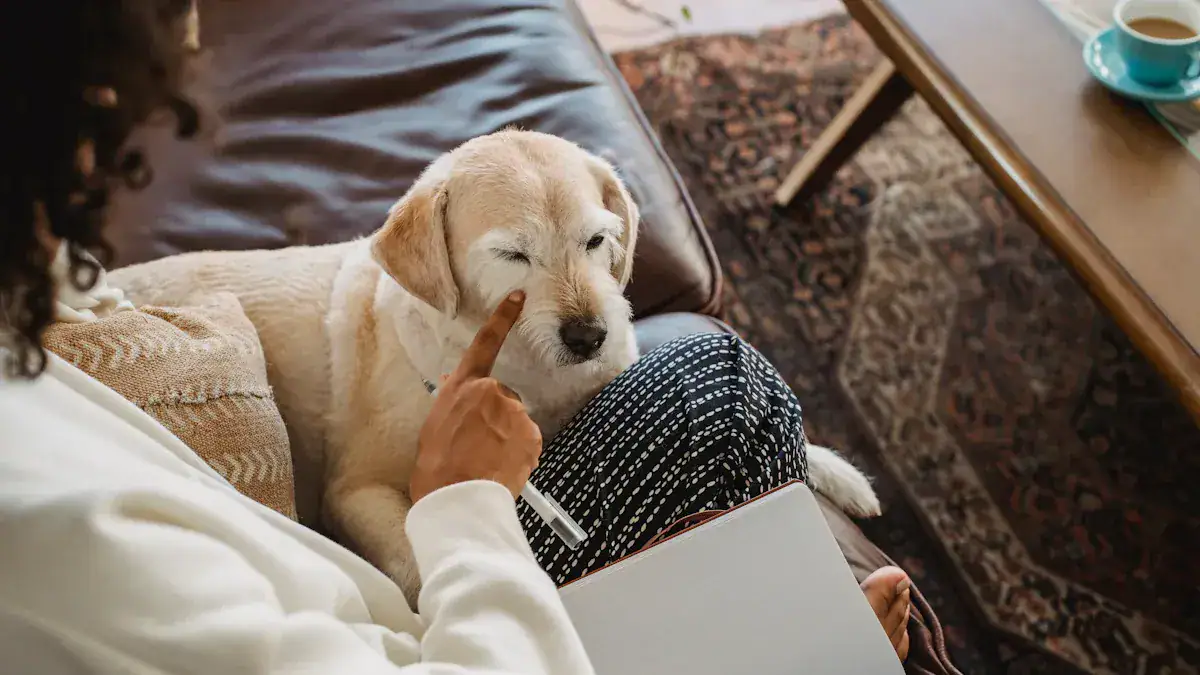
When you discover urine on your leather couch, immediate action is critical. Acting quickly helps you remove the pee smell out of leather couch more effectively. The faster you respond, the better your chances are to clean urine off a leather couch completely. This quick response prevents the urine from soaking deeply into the leather material and its padding. It also stops the odor from setting in.
Blotting The Area
Your first step is to grab several clean, absorbent cloths or a thick stack of paper towels. Your goal is to absorb as much urine as possible from the surface. Place the clean cloths directly over the wet area. Press down firmly on the cloths. Do not rub the spot. Pressing helps the cloths soak up the liquid from the leather. Keep replacing the wet cloths with fresh, dry ones. Continue this blotting process until the cloths come up mostly dry. This step is crucial to clean urine stains from leather. It pulls the liquid out of the surface before it can cause lasting damage or a strong odor.
Avoiding Rubbing
It is extremely important to avoid rubbing the urine spot. Rubbing can spread the urine over a larger area. It also pushes the liquid deeper into the fibers of your leather couch. This makes the smell and stain much more difficult to remove later. Rubbing can also damage the leather’s delicate finish. It might create a dull spot, cause discoloration, or even wear away the leather’s protective coating. Always blot gently, never rub. This careful method helps you clean urine off a leather couch without causing additional problems or damage to your furniture.
Cleaning Solutions to Remove Human Urine Smell
After blotting, you need to apply specific cleaning solutions to remove the pee smell out of leather couch. Before you apply any solution, always test it on a small, hidden area of your leather couch. This ensures the solution does not cause discoloration or damage.
Mild Soap and Water Method
You can start with a simple solution of mild soap and water for fresh or light stains. Mix a small amount of mild dish detergent with water. Dampen a soft, clean cloth with this mixture. Gently wipe the affected area. Do not saturate the leather. After cleaning, use another clean, damp cloth with plain water to wipe away any soap residue. Finally, dry the area with a clean, dry cloth.
DIY Vinegar Solutions
Vinegar is a powerful natural deodorizer. It helps to remove human urine smell because it neutralizes the alkaline compounds in urine. You can create several effective DIY cleaner for leather couch solutions:
Equal Parts Vinegar and Water: Mix white vinegar and water in a 1:1 ratio. This 1:1 ratio of white vinegar to water is recommended for neutralizing urine odor on leather. This solution effectively cleans smells without harming the leather. You must dilute vinegar correctly (1:1 volume in water) to avoid damaging the leather. Always test the solution on a small, inconspicuous area before applying it to a larger area. This 1:1 ratio solution can also disinfect the area. Let it sit for 15-20 minutes.
Vinegar and Water (1:4 Ratio): For a slightly milder solution, combine one part white vinegar with four parts water.
Vinegar, Water, and Baking Soda: Mix 1 cup of white vinegar, 1 cup of water, and 2 teaspoons of baking soda in a spray bottle.
Spray your chosen vinegar solution lightly onto the affected area. Let it sit for a few minutes. Then, wipe it clean with a damp cloth. The vinegar smell will fade as the leather dries, taking the human urine smell with it.
Enzymatic Cleaners
For more persistent human urine smell, especially if the urine has soaked deeper, an enzymatic cleaner is your best option. These cleaners contain special enzymes that break down uric acid crystals found in urine. This breakdown happens through a ‘lock and key’ mechanism. The enzyme’s active site (the ‘lock’) connects to the uric acid (the ‘key’). This connection weakens the chemical bonds in the uric acid molecule. The enzyme acts as a catalyst. It speeds up this chemical reaction without being used up. Uric acid breaks down into smaller compounds like carbon dioxide and ammonia. These then evaporate. Each enzyme is very specific. It only causes one type of reaction. It targets specific things like uric acid.
Apply the enzymatic cleaner according to the product instructions. For embedded urine, you may need to saturate the padding beneath the leather. Allow the area to dry completely, which can take a couple of days. This ensures effective odor removal.
Deep Cleaning for Stubborn Odors
If you still have stubborn odors, you might need to deep clean. If possible, remove the cushions and any stuffing from your leather couch. This allows you to access and treat the inner layers. After initial blotting and spraying with a water/vinegar/soap mixture, you can use a steam cleaner. A steam cleaner can help lift stubborn odors from the leather and its padding. Be careful not to over-wet the leather.
⚠️ Warning: Never use harsh chemicals, ammonia-based cleaners, or excessive water on your leather couch. These can damage the leather’s finish, cause discoloration, or lead to cracking. These cleaning tricks can cause more harm than good. You want to clean urine off a leather couch without ruining it.
Neutralizing the Pee Smell Out of Leather Couch
After cleaning, you need to neutralize any remaining odors. Baking soda is excellent for this. It helps get the pee smell out of leather couch.
Baking Soda Application
Sprinkle a generous amount of baking soda directly over the cleaned area. Make sure you cover the entire spot. Baking soda absorbs residual moisture and any lingering odors. Let it sit for several hours, or even overnight, for best results. The longer it sits, the more odor it absorbs.
Ensuring Proper Drying
Thorough drying is crucial after cleaning. You must ensure the leather dries completely. Use fans or open windows to promote air circulation. This helps the area dry naturally and prevents mold or mildew. Avoid using direct heat sources.
Avoid using hair dryers, heat guns, or parking in direct sunlight to speed drying. These heat sources can damage leather’s structure and finish.
Direct heat can cause the leather to crack or become stiff. Sunlight can help remove bad smell, but prolonged direct exposure can also fade the leather. Patience is key for effective odor removal and preserving your leather. This step is vital for tackling any stubborn odors.
Leather Conditioning
Once the leather is completely dry, you must condition it. Conditioning restores the leather’s suppleness. It also prevents cracking. This step is essential for maintaining your leather couch. It helps protect against future stains and keeps the leather looking good. It also helps eliminate any lingering human urine smell.
Many good conditioners exist. They contain ingredients that nourish the leather.
Lanolin and Mink Oil: These natural ingredients are known for their nourishing properties. They are gentle on leather, helping to restore suppleness.
Oils (Mink or Neatsfoot Oil): These are excellent for deep conditioning. They penetrate leather fibers, contributing to suppleness. However, avoid overuse to prevent weakening the fibers.
Waxes (Beeswax): These form a protective layer on the leather’s surface. They make it resistant to water and scratches, thus preventing cracking. While not deeply penetrating, they offer crucial surface protection.
Creams: These are a balanced mixture of oils and waxes. They provide deep moisturizing, nourishing, and protecting the leather. They contribute to both suppleness and protection against cracking.
Apply a high-quality leather conditioner according to the product’s instructions. This final step helps remove any remaining human urine smell by restoring the leather’s natural state. It also helps with pet odor issues. This completes the process of removing smells and ensures proper drying and conditioning the leather.
Preventing Future Accidents and Maintaining Leather

You can prevent future accidents and maintain your leather couch. This involves proactive measures for both pets and general leather care.
Pet Training and Management
To prevent future accidents on your leather couch, you can implement several strategies. For pets, reinforce proper house training. Take your dog outside frequently, especially after meals and naps. Reward them with praise and treats for urinating outdoors.
Establish a consistent schedule for bathroom breaks. Use cues or commands to signal the desired behavior. Address anxiety or territorial marking by providing a safe and comfortable environment. Ensure ample exercise and mental stimulation. Practice positive reinforcement. Introduce relaxation exercises like interactive toys. You can also manage the environment. Limit access to furniture with baby gates or closed doors. Cover furniture with washable, waterproof materials.
Utilize deterrents. Pet-safe sprays with unpleasant scents or motion-activated alarms near furniture can help. For leather furniture, consider chemical treatments. These protective coatings repel fluids like urine or vomit. They prevent absorption and make messes easy to wipe away. Anti-scratch products, like super-sticky tape or plastic corner covers, make surfaces unappealing for scratching. Unpleasant-tasting sprays deter pets from licking or chewing the leather couch. Provide alternative scratching or chewing options. Offer tall cat towers or scratching posts for cats. Give flavor-sprayed toys for dogs. Maintain consistency and positive reinforcement. Avoid punishing accidents. Reward appropriate bathroom behavior instead. These steps help prevent future accidents on your leather couch.
Regular Leather Care
Regular care keeps your leather healthy and resistant to stains. This includes routine cleaning and conditioning. You should vacuum your leather couch weekly with a brush attachment. This removes dirt, hair, or dust. Wipe it monthly to bi-monthly with a damp cloth. This prevents oil buildup or spills. General cleaning should happen once a month. Deep conditioning is necessary twice a year. For normal soiling, professional cleaning is recommended every 6-12 months. For high-traffic areas, professional cleaning should occur every 3 months. Proper cleaning of your couch extends its life. These cleaning tips help maintain its appearance and contribute to a longer lifespan for your cleaning leather sofa.
Addressing Human Urine Smell Sources
If human urine smell persists, you need to address the source. Incontinence issues are a significant concern. Underlying medical conditions often lead to urine accidents. Diabetes can cause increased urine production and frequent nighttime urination. Hormonal imbalances, specifically a deficiency in Antidiuretic Hormone (ADH), impair the body’s ability to reduce urine production at night. Stress and psychological factors can contribute to nocturnal enuresis. Other medical conditions also heighten the risk. These include sleep apnea, an enlarged prostate, constipation, and Urinary Tract Infections (UTIs). Identifying and addressing these underlying causes helps remove human urine smell and prevents recurrence of human urine smell.
Successfully removing the pee smell out of leather couch requires prompt action and proper cleaning techniques. You must immediately blot the area, then apply effective cleaning solutions, and finally neutralize any lingering odors. Untreated urine can cause permanent damage, leading to cracking and irreparable harm as it compromises the leather’s protective layer. Be patient and thorough throughout this process. By following these steps, you can restore your couch and maintain a fresh, clean home environment.
FAQ
Can you use bleach to clean urine from leather?
No, you must not use bleach on leather. Bleach is a harsh chemical. It will damage the leather’s finish and color. You should always use mild, leather-safe cleaning solutions.
How long does it take for the pee smell to go away?
The smell usually goes away after thorough cleaning and drying. This process can take a few days. You need to allow enough time for the leather and any padding to dry completely.
What if the urine smell still remains after cleaning?
If the smell remains, you may need to reapply an enzymatic cleaner. Ensure the cleaner reaches deep into the padding. You can also try another baking soda application. For very stubborn odors, consider professional leather cleaning.
How often should you condition your leather couch?
You should condition your leather couch after every deep cleaning. For regular maintenance, condition it every 6 to 12 months. This keeps the leather soft and prevents cracking.