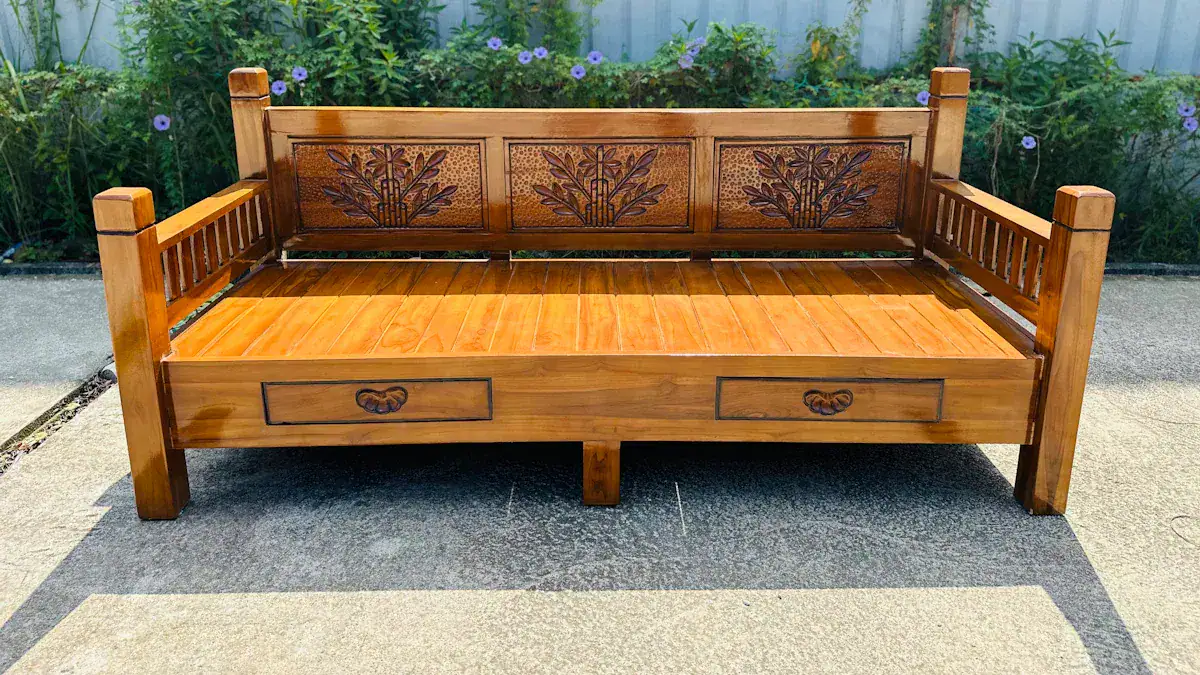
Imagine a perfect outdoor lounge in your own outdoor space. Building a custom built outdoor daybed yourself offers immense satisfaction. You save significant money compared to retail. You also create a unique daybed that perfectly matches your outdoor decor. This guide makes building diy outdoor daybeds achievable for all skill levels. You will learn to plan, build, and finish your own comfortable outdoor daybed. This project is rewarding.
Key Takeaways
Building your own outdoor daybed saves money and lets you customize it to fit your space.
Plan your daybed carefully by measuring your space and choosing comfortable cushion sizes.
Use weather-resistant wood like teak or cedar, and strong tools like a power drill and saw.
Finish your daybed with stains or sealants to protect it from weather and make it last longer.
Choose durable, weather-resistant cushions and add personal touches like lights and pillows.
Why Build an Outdoor Daybed
Cost Savings and Customization
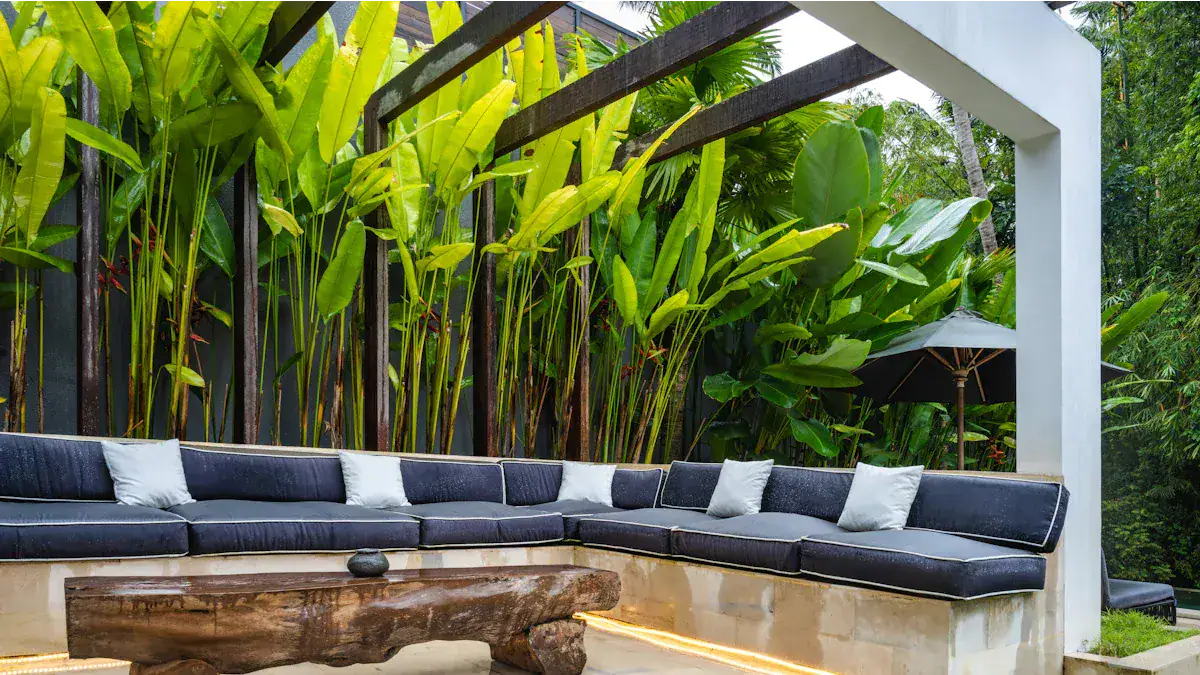
You might wonder why you should build an outdoor daybed. The main reasons are significant cost savings and complete customization. Building your own diy outdoor daybeds saves you a lot of money. For example, a large outdoor daybed, big enough for a twin mattress, can cost about $200. This price can even include an optional pergola top. This is much cheaper than custom-made daybeds, which often cost $1,000 to $4,000. The wood alone, like 2x4s, 1x4s, and 4x4s, might be around $150 of that total. You also need exterior screws, exterior-grade wood glue, and outdoor-rated paint. You can build an outdoor sofa for a fraction of the retail price.
You also gain full control over the design. You can tailor the size, style, and materials to fit your outdoor space perfectly. Choose cushions and pillows that match your comfort needs and style. Select weather-resistant fabrics like Sunbrella or olefin. You can add lighting, such as string lights or lanterns, to create ambiance. Consider shade solutions like umbrellas or pergolas. Coordinate your new outdoor furniture with existing outdoor decor. Pick complementary colors, materials, and styles. This allows you to create a unique outdoor daybed that reflects your personal taste and enhances your outdoor living area. You can choose a modern minimalist look or a classic elegant design.
Personal Accomplishment
Building a daybed gives you a great sense of personal accomplishment. You feel immense pride when you finish a DIY project. This improves your outdoor living space. A well-maintained and thoughtfully designed environment reduces stress. It also increases daily satisfaction. The process of creation gives you a sense of control. It boosts your confidence. You gain self-worth by identifying, planning, and executing solutions. This project helps you develop resilience. You learn to see mistakes as chances to grow. Completing your own outdoor daybed provides lasting proof of your skills. It strengthens your connection to your home. This hands-on effort can even reduce symptoms of anxiety and depression. It offers a mindful practice, focusing your attention and quieting your mind. You experience a “state of flow” which improves your mood. This project also enhances your cognitive abilities through problem-solving.
Daybed Planning and Design
Space Assessment and Dimensions
Planning your outdoor daybed is the first crucial step. You must measure your outdoor space carefully. This ensures your new daybed fits perfectly and allows for easy movement around it. Consider the flow of traffic and how you will use the area.
When planning, think about cushion sizes. A comfortable outdoor daybed needs good cushions. For instance, a cushion thickness of at least 3 inches prevents “bottoming out.” You can use thicknesses up to 5 or 6 inches for more comfort. Standard seat height for comfortable seating is 16-18 inches from the floor. This allows your feet to rest flat. If you use a cushion, subtract half its compressed thickness from this height. The seat depth should be 15-18 inches. This allows clearance between the seat’s front edge and your legs. An optimal backrest angle for a sofa is usually between 100-110 degrees.
Design Styles and Options
You can choose from many daybed design styles. Each style offers a different look and feel for your outdoor space.
Outdoor Cabana Daybeds: These resemble four-poster beds. They often have a padded seat, a roof, and sometimes walls.
Outdoor Hanging Daybeds: These are large, porch swing-like structures. They hang and support multiple adults.
Outdoor Daybed with Canopy: This design features an open-air back and a billowy overhead canopy.
Round Outdoor Daybeds: These maximize surface area. They invite users to sprawl out in any direction.
Chaise Lounge Outdoor Daybeds: These are modeled after classic pool furniture. They can be single or double-wide.
You can also consider advanced features. A wooden frame with a roof provides extra shade and a cozy feel. This transforms your outdoor daybed into a private retreat.
Sourcing Project Plans
You do not need to start from scratch. Many resources offer free project plans for your diy outdoor daybeds. These plans guide you through the building process. For example, Ana White provides free DIY plans for a “Mission Style Daybed.” Real Cedar also offers free DIY project plans, including a “Cabana Daybed.” These plans often include detailed instructions and material lists. They make building your outdoor daybed achievable. You can find plans for a simple outdoor couch or a more elaborate daybed.
Tools, Materials, and Construction Steps
Building your own outdoor daybed requires the right tools and materials. You also need a clear plan for construction. This section guides you through selecting what you need and how to put it all together.
Essential Tools and Lumber Selection
You need specific tools to build your outdoor daybed. These tools make the job easier and more precise.
Power Drill: This tool helps you create pilot holes and drive screws.
Saw: A miter saw or circular saw provides accurate cuts for your lumber.
Sander: You use a sander to smooth rough edges and prepare wood for finishing.
Measuring Tape: Accurate measurements are crucial for a sturdy daybed.
Safety Gear: Always wear safety glasses and hearing protection.
Kreg Jig (R3 or mini): This tool helps you create strong pocket-hole joints.
Nail Gun (or hammer and finishing nails): You use this for attaching smaller pieces or trim.
Choosing the right wood is vital for an outdoor daybed. The wood must withstand weather and resist decay.
Teak: This wood is the “Golden Standard.” It has natural oils, making it highly water-resistant. Teak resists decay and insects. Luxury outdoor projects often use teak.
Cedar: Cedar contains natural preservatives. It resists decay and insect damage. Cedar stays stable in different weather conditions. It works well for outdoor furniture.
Ipe: People call Ipe the “Brazilian Marvel.” It is an extremely hard wood. Ipe resists weather, decay, and insects due to its dense grain.
Cypress: The “Southern Charmer,” Cypress has a natural oil called ‘cypressene.’ This oil makes it durable against harsh weather and bugs.
Mahogany: This “Timeless Classic” offers reasonable weather resistance. It works best for projects with some shelter, like covered patios.
You also need the right fasteners. These hold your daybed together.
Self-Countersinking Screws: These screws have a tapered head. They create a flush finish and prevent wood splitting. Use them for decking and furniture.
Decking Screws: These screws are for decking. They often have corrosion-resistant coatings. Their specialized heads prevent stripping. They withstand outdoor use.
Consider the fastener material for rust and corrosion resistance.
Stainless Steel: This is best for all-weather durability. Use it in humid or coastal areas.
Galvanized Steel: This is a budget-friendly option for general outdoor use. It may corrode over time.
Silicon Bronze: This material is for marine environments. It offers superior corrosion resistance.
Coatings also protect fasteners.
Hot-Dipped Galvanized: This thick zinc coating provides strong rust resistance.
Ceramic or Polymer Coating: This enhances corrosion resistance. Decking screws often use this.
Zinc-Plated: This works for mild outdoor conditions. It is less durable than hot-dipped galvanization.
Ensure you use the right length and gauge for screws. A 100mm length often provides strength. A 4-5mm gauge is typical for wood screws.
Frame Assembly and Support
You begin construction by cutting your lumber. Follow your chosen plan’s measurements precisely. Accuracy ensures a stable and square frame for your daybed.
Next, you assemble the base frame. This forms the foundation of your outdoor daybed. You can use strong joinery techniques. The mortise and tenon joint is excellent for frames. This joint involves a tenon (a protrusion on one wood piece) fitting into a mortise (a hole in another piece). Its tight fit maximizes strength and stability. It withstands tension and compression. It distributes weight and stress evenly. This makes it ideal for heavy-duty applications like an outdoor daybed. You can also use pocket-hole screws for strong, hidden joints.
After the base, you build the backrests and armrests. Attach these securely to the main frame. Ensure they are level and plumb. Add slats or support panels to the base. These support your cushions. Space them evenly for proper weight distribution. Many plans are beginner-friendly. They provide all necessary cuts and measurements. This makes building your diy outdoor daybeds straightforward. You can build an outdoor sofa with confidence.
Finishing for Durability
Once you assemble the frame, you sand all surfaces. Sanding creates a smooth finish. It also prepares the wood for protective coatings. Start with a coarser grit sandpaper. Then move to a finer grit. This removes splinters and rough spots.
Apply protective finishes to your outdoor daybed. These finishes shield the wood from sun, rain, and moisture.
Stains: Stains add color and enhance the wood grain. Choose an outdoor-rated stain.
Sealants: Sealants create a protective barrier. They repel water and prevent rot.
Paint: Outdoor paint offers a solid color finish. It provides excellent weather protection.
Reapply a quality teak oil or sealant every one to three years. This maintains the wood’s golden hue. Clean the furniture thoroughly before applying any product. Harsh, direct sunlight and heavy rainfall require more frequent reapplication. An outdoor daybed under a covered patio may need less frequent attention. High humidity speeds up finish degradation. Heavy daily use also increases the need for reapplication.
You know it is time to reapply when you see signs. The color may look uneven or faded. The wood might feel dry or rough. Water will no longer bead on the surface. Instead, it soaks into the wood. Natural teak weathers to a silvery-gray patina if left untreated. Regular refinishing maintains its original warm, golden-brown hue. Your preference guides this maintenance.
Cushions, Decor, and Daybed Care
Choosing Outdoor Cushions
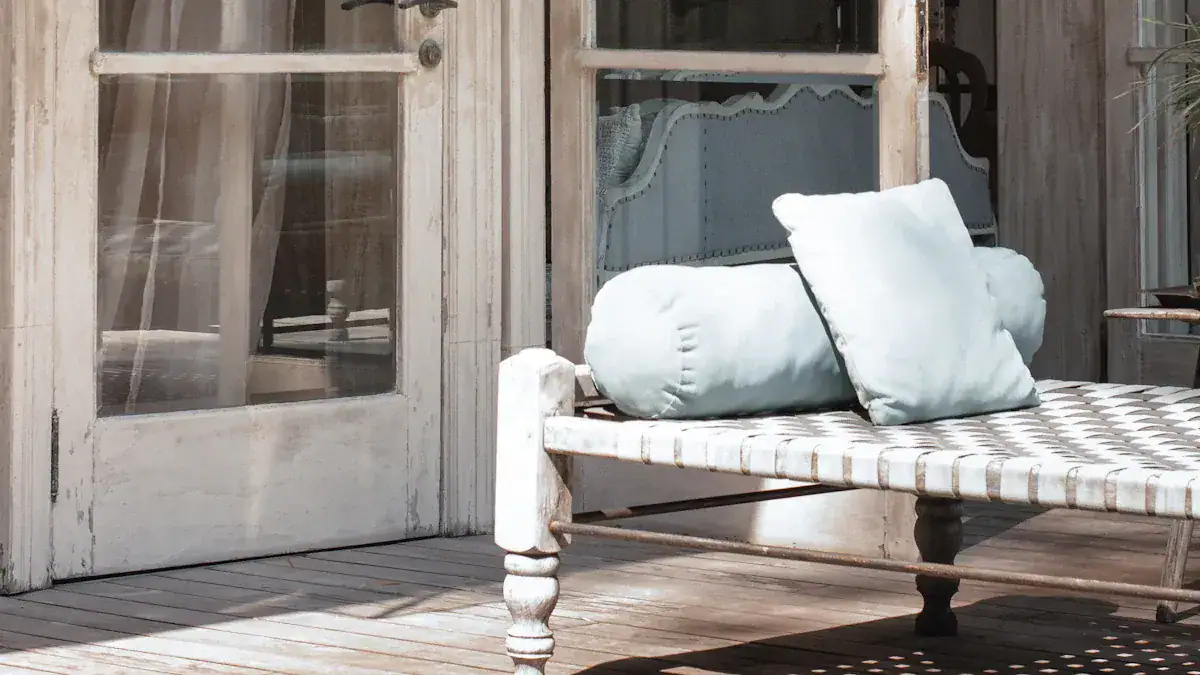
Selecting the right cushions makes your outdoor daybed comfortable. You need cushions that withstand the elements. Consider foam density for comfort. A higher density foam offers better support and lasts longer. You also need weather-resistant fabric types.
Many performance fabrics are excellent choices. These include Outdura® Upholstery, Sunbrella® Upholstery, SunRite™, and Covington. These fabrics are solution-dyed. This means they have long-lasting color. They are also water-resistant and easy to clean. They are ideal for all-season outdoor cushions.
Other durable fabric options exist.
Polypropylene: This offers superior UV resistance. It resists fade, stain, and moisture.
Polyolefin fabrics: These are lightweight. They resist stains and abrasion. They dry fast and hold color well.
Polyester: This resists stretch, rot, mold, mildew, and abrasion. It has good UV resistance.
Acrylic fabrics: These are highly durable. They resist weather and insects. They also resist fading, shrinking, and wrinkling.
Vinyl: This is waterproof. It resists mildew and UV rays.
Canvas: This is a sturdy, water-resistant, and durable fabric. It resists abrasion.
You can compare Sunbrella and Olefin fabrics.
Feature | Sunbrella | Olefin |
|---|---|---|
Durability | Highly durable, resists fading, mildew, and rot. Excellent for outdoor use. | Durable, good resistance to fading and moisture. Can melt under high heat. |
Cost | More expensive due to its proprietary manufacturing process and superior performance. | More affordable, a cost-effective option. |
Material | Solution-dyed acrylic. | Synthetic fiber from polypropylene or polyethylene. |
Color Retention | Excellent, colors are embedded in the fiber, preventing fading. | Good, but can fade over time with prolonged sun exposure. |
Water Resistance | Highly water-resistant, quick-drying. | Water-resistant, but can absorb some moisture. |
UV Resistance | Superior UV resistance, ideal for prolonged sun exposure. | Good UV resistance, but not as high as Sunbrella. |
Secure your cushions to prevent movement.
Velcro strips: Attach one side to the cushion bottom. Attach the other to the daybed surface. This offers secure fastening and easy removal.
Ties or straps: Incorporate these into the cushion design. Fasten them securely to the daybed frame.
Non-slip pads or grip liners: Place these underneath cushions. They provide extra traction.
Bungee cords: Wrap these around the cushion top. Fasten them to furniture legs. Pull them tight to prevent slipping.
Personalizing Your Daybed
Personalize your outdoor daybed to enhance comfort and ambiance. Add outdoor throw pillows and blankets. These make your daybed more inviting. Side tables provide a convenient spot for drinks or books.
Creative lighting options transform your outdoor lounging area.
String Lights: Drape these over pergolas. Wrap them around trees. Suspend them above seating areas. They create a dreamy, enchanting vibe with soft, warm bulbs.
Lanterns: Place these on tables, stairs, or garden pathways. They add character and warmth. You can choose metal or wooden lanterns with LED candles for safety and style.
Smart Lighting: Use smart outdoor lighting systems. Adjust brightness and color temperature remotely. You can use a smartphone or voice assistant for effortless ambiance control.
Maintenance for Longevity
Regular maintenance keeps your outdoor daybed looking great. It also extends its lifespan. Check the structural integrity weekly. These weekly inspections ensure stability. They maintain both the aesthetic and structural integrity of your daybed.
Protect your outdoor daybed from harsh weather. Use furniture covers during wet and cold seasons. Bring cushions and pillows indoors. Applying a coat of varnish can offer protection for wood.
Clean your outdoor wood furniture regularly.
Remove dirt and debris using a broom or brush.
Wipe down furniture with a rag. Use mild dish soap and water for deeper cleaning.
Avoid harsh chemicals. They can damage and stain the wood.
For a specific Dawn dish soap mixture, combine 1/4 cup of Dawn dish soap with 1 gallon of warm water.
Scrub with a rag or soft brush. Focus on areas with mildew buildup.
Rinse gently with a garden hose. Avoid power washing. It can cause cracks and damage.
Building your own diy outdoor daybeds offers great rewards. You gain personalized comfort and significant cost savings. You also feel immense pride creating a functional, beautiful outdoor daybed. This guide makes building a custom patio lounger achievable. With careful planning, you can transform your outdoor space. You move from initial concept to enjoying your custom outdoor daybed. Embrace DIY efforts to enhance your outdoor living. Create lasting memories and comfort.
FAQ
What wood should you use for an outdoor daybed?
You should use weather-resistant woods. Teak, cedar, and ipe are excellent choices. Cypress also works well. These woods naturally resist decay and insects. They ensure your daybed lasts many years.
What tools do you need to build a daybed?
You need a power drill, a saw, and a sander. A measuring tape is essential for accuracy. Always wear safety gear. A Kreg Jig helps create strong joints.
What kind of cushions work best for outdoor daybeds?
You need weather-resistant cushions. Look for fabrics like Sunbrella or Olefin. These resist fading and mildew. High-density foam provides comfort and support. Secure cushions with ties or Velcro.
What is the best way to protect your daybed from weather?
You should apply outdoor-rated stains or sealants. Reapply these every one to three years. Use furniture covers during harsh weather. Bring cushions indoors when not in use. This extends your daybed’s life.
What are the benefits of building your own daybed?
You save significant money. You also customize the design to fit your space. Building it yourself gives you a great sense of accomplishment. You create unique outdoor furniture for your home.