

Consider a computer as a steady companion for your kid’s schoolwork and play—reliable, fast, and easy to fix. You’ll want a mix of bright, eye-friendly screens, solid processors, and room to upgrade as they grow. I’ll walk you through six top desktop choices that balance safety, performance, and value so you can pick what fits your family and budget—and spot which one will last longest.
| Lenovo 24″ FHD All-in-One Desktop (16GB 256GB) |
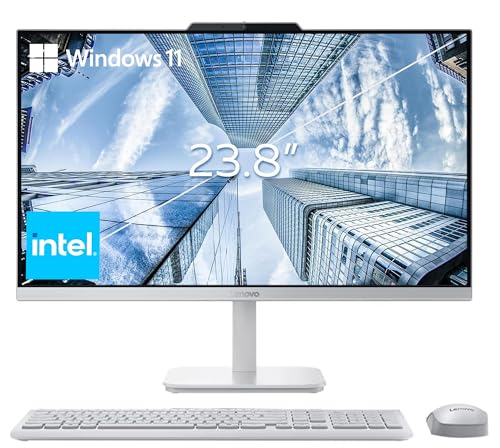
| Best for Learning | Processor: Intel N100 (4 cores, up to 3.40 GHz) | Memory (RAM): 16 GB DDR4 | Storage: 256 GB PCIe NVMe M.2 SSD | VIEW LATEST PRICE | Read Our Analysis |
| Dell OptiPlex 3050 SFF Desktop PC i5 16GB |

| Value Performance | Processor: Intel Core i5-6500 (quad-core, up to 3.6 GHz) | Memory (RAM): 16 GB DDR4 | Storage: 256 GB SSD | VIEW LATEST PRICE | Read Our Analysis |
| HP Elite Desktop PC i5 16GB 1TB 22″ Monitor |

| Best for Creatives | Processor: Intel Core i5 (3.1 GHz) | Memory (RAM): 16 GB | Storage: 1 TB HDD | VIEW LATEST PRICE | Read Our Analysis |
| HP ProDesk 600 G3 Mini PC Bundle with Monitor |

| Compact Power | Processor: Intel Core i5-6500 (quad-core, up to 3.1 GHz) | Memory (RAM): 16 GB DDR4 | Storage: 256 GB SSD | VIEW LATEST PRICE | Read Our Analysis |
| HP 21.5″ FHD All-in-One Desktop (Renewed) |

| Budget Family Pick | Processor: Intel Celeron (up to 2.90 GHz, 2 cores) | Memory (RAM): 8 GB (configurable/upgradeable up to 64 GB) | Storage: 512 GB SSD | VIEW LATEST PRICE | Read Our Analysis |
| HP ProDesk 600 G3 Mini PC with 21.5″ FHD Monitor |
| Small Classroom Workhorse | Processor: Intel Core i5-6500T (quad-core, up to 3.1 GHz) | Memory (RAM): 16 GB DDR4 | Storage: 256 GB SSD | VIEW LATEST PRICE | Read Our Analysis |
More Details on Our Top Picks
Lenovo 24″ FHD All-in-One Desktop (16GB 256GB)
Should you want a dependable all‑in‑one for homework, creative apps, and streaming, the Lenovo 24″ FHD is a great pick: its Intel N100 quad‑core CPU with 16 GB RAM and a 256 GB NVMe SSD delivers smooth multitasking. You’ll get a 23.8″ FHD IPS display with anti‑glare, 250 nits, and 99% sRGB for accurate colors during projects and media. Fast Wi‑Fi 6 and Bluetooth 5.2 keep peripherals and online lessons snappy, while Ethernet’s there for wired stability. Included wireless keyboard and mouse simplify setup. Ports cover USB‑A, USB 3.2, HDMI‑out, and a headset jack for flexibility.
- Processor:Intel N100 (4 cores, up to 3.40 GHz)
- Memory (RAM):16 GB DDR4
- Storage:256 GB PCIe NVMe M.2 SSD
- Display (included or bundled):23.8″ FHD (1920×1080) IPS (All‑in‑One built-in)
- Operating System:(Not explicitly stated) — likely Windows (marketed for business/home)
- Connectivity (Networking):Wi‑Fi 6 (Intel AX203 802.11ax 2×2), Bluetooth 5.2, Ethernet (RJ-45)
- Additional Feature:Includes wireless keyboard/mouse
- Additional Feature:99% sRGB color
- Additional Feature:HDMI-out 1.4b
Dell OptiPlex 3050 SFF Desktop PC i5 16GB
Should your kid need a reliable school and creativity machine, the Dell OptiPlex 3050 SFF delivers a solid balance of performance and compact design with its quad‑core i5, 16 GB of RAM, and 256 GB SSD. It’s a certified refurbished unit, so you’ll get a tested, cleaned PC with accessories and a minimum 90‑day warranty; it might arrive in a generic box. Windows 11 Pro is preinstalled. Dual‑monitor support and 4K output via DisplayPort and HDMI let them multitask or edit media. Useful ports include front and rear USBs and Ethernet; keyboard, mouse, USB Wi‑Fi adapter, and Office trial are included.
- Processor:Intel Core i5-6500 (quad-core, up to 3.6 GHz)
- Memory (RAM):16 GB DDR4
- Storage:256 GB SSD
- Display (included or bundled):No built-in monitor (supports dual monitors / 4K)
- Operating System:Windows 11 Pro 64-bit (refurbished)
- Connectivity (Networking):Includes USB WiFi adapter (wireless), Ethernet (RJ-45), multiple USB ports
- Additional Feature:Certified refurbished warranty
- Additional Feature:Includes USB WiFi adapter
- Additional Feature:Dual-display capable
HP Elite Desktop PC i5 16GB 1TB 22″ Monitor
Should your child need a reliable, school-ready PC that can handle homework, creative projects, and light gaming, the refurbished HP Elite with an Intel i5 and 16 GB of RAM delivers the performance and multitasking headroom you want. You get a certified refurbished tower tested, cleaned, and backed with a minimum 90-day warranty, plus included accessories. The 3.1 GHz i5 and 16 GB RAM handle dozens of tabs and apps; 1 TB HDD stores games, media, and projects. Windows 11 Pro comes clean, optional apps via Microsoft Store. A new 22″ FHD IPS 75 Hz monitor, RGB keyboard, mouse, speaker, and Wi‑Fi round it out.
- Processor:Intel Core i5 (3.1 GHz)
- Memory (RAM):16 GB
- Storage:1 TB HDD
- Display (included or bundled):22″ FHD (1920×1080) LED monitor included
- Operating System:Windows 11 Pro 64-bit
- Connectivity (Networking):WiFi supported, Ethernet, Bluetooth (peripherals supported)
- Additional Feature:22″ IPS monitor included
- Additional Feature:RGB keyboard and mouse
- Additional Feature:1 TB HDD storage
HP ProDesk 600 G3 Mini PC Bundle with Monitor
Should you want a compact, school-ready desktop that handles multitasking without slowing down, the HP ProDesk 600 G3 Mini bundle is a great pick—its quad‑core i5 and 16 GB of DDR4 RAM let kids run homework apps, browser tabs, and video lessons smoothly, while the included 21.5″ FHD monitor makes setup simple and space-saving. Renewed and pre-tested, this plug-and-play system pairs a 256 GB SSD and Windows 11 Pro for snappy boot times and secure updates. Ports include USB 3.1, USB-C, DisplayPort, Ethernet and audio, so you’ll connect peripherals and wired networks easily for remote learning.
- Processor:Intel Core i5-6500 (quad-core, up to 3.1 GHz)
- Memory (RAM):16 GB DDR4
- Storage:256 GB SSD
- Display (included or bundled):21.5″ FHD (21.5″ bundled monitor)
- Operating System:Windows 11 Pro
- Connectivity (Networking):Ethernet (RJ-45), USB (incl. USB‑C), DisplayPort
- Additional Feature:USB Type-C port
- Additional Feature:Serial port available
- Additional Feature:21.5″ FHD monitor
HP 21.5″ FHD All-in-One Desktop (Renewed)
Provided your kid needs a reliable all-in-one for schoolwork and video calls, the HP 21.5″ FHD Renewed delivers a clear 1080p display, built-in privacy camera, and Windows 11 Pro in a compact Snow White design. You get 8GB RAM and a 512GB SSD out of the box, enough for homework, streaming, and basic multitasking, with upgrades supported to 64GB RAM and 2TB SSD should it be necessary. The Intel Celeron and Intel UHD 600 handle everyday apps efficiently. Ports are generous—USB-C, multiple USB-A, HDMI, Ethernet, headset jack—plus Wi‑Fi 6 and Bluetooth for modern connectivity. It’s practical and space-saving.
- Processor:Intel Celeron (up to 2.90 GHz, 2 cores)
- Memory (RAM):8 GB (configurable/upgradeable up to 64 GB)
- Storage:512 GB SSD
- Display (included or bundled):21.5″ FHD (1920×1080) All‑in‑One built‑in
- Operating System:Windows 11 Pro
- Connectivity (Networking):Wi‑Fi 6, Bluetooth, Ethernet (RJ-45)
- Additional Feature:HP True Vision privacy camera
- Additional Feature:Snow White color
- Additional Feature:USB-C 3.0 port
HP ProDesk 600 G3 Mini PC with 21.5″ FHD Monitor
Should you need a compact, school-ready desktop that balances performance and space savings, the HP ProDesk 600 G3 Mini with its 21.5″ FHD monitor fits the bill — it packs an Intel i5 quad‑core, 16 GB RAM, and a 256 GB SSD to handle homework, streaming, and multitasking without taking up much desk space. You’ll appreciate the refreshed unit’s Windows 11 Pro for security and manageability, plus USB 3.1, USB-C, DisplayPort, Ethernet, and a serial jack for peripherals and networks. The i5-6500T’s 2.5–3.1 GHz range suits productivity and media, making this tiny desktop a practical, space-saving choice.
- Processor:Intel Core i5-6500T (quad-core, up to 3.1 GHz)
- Memory (RAM):16 GB DDR4
- Storage:256 GB SSD
- Display (included or bundled):21.5″ FHD monitor included (bundled with mini PC)
- Operating System:Windows 11 Pro
- Connectivity (Networking):Ethernet (RJ-45), USB (incl. USB‑C/3.1), DisplayPort, WiFi supported
- Additional Feature:Compact mini form-factor
- Additional Feature:Windows 11 Pro included
- Additional Feature:DisplayPort output
Factors to Consider When Choosing a Desktop Computer for Kids
When choosing a desktop for your child, consider their age and skill level so the system matches what they can handle. Check that the computer supports the educational software you need, has easy parental controls, and is built to withstand everyday use. Also make sure it delivers enough performance for homework and multitasking without overspending.
Age And Skill Level
Although kids at different ages use computers for very different tasks, matching a desktop’s specs to your child’s developmental stage makes the system more useful and longer‑lasting. For preschoolers (3–5), pick a rugged, simple setup with strong parental controls; low‑end hardware and a small SSD (128–256 GB) handle apps and videos fine. Elementary kids (6–10) need responsiveness and safety—aim for at least 4 GB RAM and a dual‑core CPU to run web learning platforms, creativity apps, and video calls. Tweens (11–13) multitask more; 8–16 GB RAM and a quad‑core CPU smooth browsing, streaming, and light editing. Teens (14–18) doing gaming, coding, or serious media work should get 16 GB+, a modern multi‑core CPU, and consider a dedicated GPU plus 512 GB–1 TB or external storage.
Educational Software Compatibility
Because educational tools vary so much, you’ll want to confirm a desktop’s software compatibility before you buy: check that the OS supports required apps (or that key programs run in a browser), verify CPU/RAM/storage meet minimums, and make sure the machine handles needed peripherals like touch, stylus, webcam, mic, and controllers. Also confirm the system runs current browsers and modern web standards (HTML5, WebGL) since many platforms are browser‑based. Match CPU, RAM, and free storage to app guidelines—multimedia or coding tools commonly need dual‑core CPUs, 4–8 GB RAM, and 10–20 GB free. Check peripheral drivers and hardware support for interactive lessons or robotics. Finally, prefer machines with reliable software updates and management features (user accounts, app whitelisting, remote management) to keep compatibility and security over time.
Parental Controls Ease
Pick a desktop with parental controls that actually make managing your child’s use simple and secure. You’ll want built‑in OS controls—time limits, web filtering, and app restrictions—so rules work without extra apps. Make sure the system supports multiple user accounts with separate permissions so you can create managed child profiles that block settings and purchases. Prefer devices tied to centralized family dashboards (cloud accounts) for remote monitoring, activity reports, and real‑time limit changes. Confirm the OS and apps offer granular options: per‑app time caps, age ratings, and explicit site/category blocking. Finally, set a secure admin credential distinct from your child’s login, require parental approval for installs or purchases, and get notifications should they try to bypass limits.
Durability And Build Quality
Parental controls help you manage how a child uses a desktop, but you still need hardware that can stand up to everyday wear and mishaps. Choose a chassis with reinforced plastics or metal mounting points so drops and bumps don’t cause structural failure. Favor recessed or protected ports and hinges; exposed connectors and thin bezels are common break points whenever kids tug or knock devices.
Pick spill-resistant keyboards or replaceable keyboard modules, and check for IP21–IP54 ratings if listed to limit liquid and dust damage. Opt for passive-cooled or well-ventilated designs and components rated for higher duty cycles to avoid overheating. Finally, make sure RAM, storage, and power parts are easy to access or tool-less so repairs and upgrades aren’t deferred.
Performance For Homework
Focus on smooth everyday performance so homework—research, documents, video calls—doesn’t stall. You should pick at least a dual‑core CPU, preferably quad‑core, with clocks around 2.5–3.0 GHz or higher to prevent lag during multitasking. Opt for 8–16 GB of RAM so browser tabs, educational apps, and video conferences run concurrently without slowdowns. Choose an SSD of 256 GB or larger to speed boot times and app launches, making sessions snappier than with an HDD. Integrated graphics are fine for most school tasks; just confirm the processor/GPU handles video playback and light image editing. Finally, prioritize reliable networking—Wi‑Fi 5/6 and an Ethernet port—to keep cloud assignments and online classes stable.
Screen Size And Eye Safety
Although you want a screen big enough for clear viewing, size should match your child’s age and desk space: school‑aged kids do best with 20–24 inches, while younger children could be more comfortable with 18–20 inches to keep viewing distance shorter. Pick an IPS or other wide‑angle FHD (1920×1080) panel for stable images and lower eye strain compared with TN or lower‑res displays. Set height so the top of the display is at or slightly below eye level and position it about an arm’s length (50–70 cm) away to minimize neck and eye fatigue. Prefer matte/anti‑glare screens with at least 250 nits brightness. Enable blue‑light reduction, automatic brightness, and use the 20‑20‑20 rule with regular break prompts.
