

Like finding a spare key under a fake rock, one small device can save a life—nearly 50% of home fire deaths happen where alarms were absent or nonworking. You’ll want detectors that just work: long-life sealed batteries, clear 85 dB alerts, and reliable sensors for both smoke and CO. I’ll run through top 2026 picks and what really matters so you can pick the right protection for your home.
| Kidde Battery-Powered Carbon Monoxide Detector |
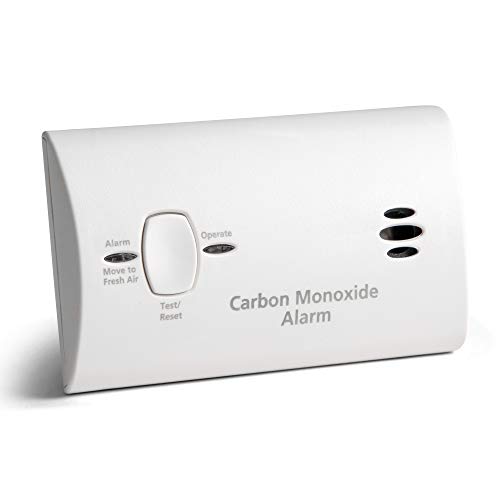
| Portable CO Guard | Power Source: 2× AA batteries (included) | Detects Carbon Monoxide: Yes (electrochemical CO sensor) | Smoke Detection (or 2-in-1 capability): CO-only (portable CO detector) — not smoke | VIEW LATEST PRICE | Read Our Analysis |
| Kidde Battery-Powered Carbon Monoxide Detector (Portable) |
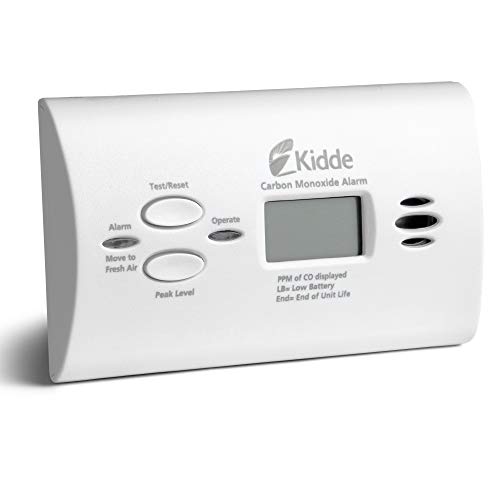
| Travel-Friendly CO Alarm | Power Source: 2× AA batteries (included) | Detects Carbon Monoxide: Yes (electrochemical CO sensor) | Smoke Detection (or 2-in-1 capability): CO-only (portable CO detector) — not smoke | VIEW LATEST PRICE | Read Our Analysis |
| X-Sense 2-in-1 Smoke & Carbon Monoxide Alarm |

| Long-Life 2-in-1 | Power Source: Sealed 10-year lithium battery | Detects Carbon Monoxide: Yes (electrochemical CO sensor) | Smoke Detection (or 2-in-1 capability): Yes (2-in-1 smoke + CO) | VIEW LATEST PRICE | Read Our Analysis |
| Kidde 10-Year Battery Smoke & Carbon Monoxide Detector |

| 10-Year Voice Protection | Power Source: Built-in 10-year battery | Detects Carbon Monoxide: Yes (CO sensing included) | Smoke Detection (or 2-in-1 capability): Yes (2-in-1 smoke + CO) | VIEW LATEST PRICE | Read Our Analysis |
More Details on Our Top Picks
Kidde Battery-Powered Carbon Monoxide Detector
Should you need a simple, portable CO alarm that works throughout power outages, the Kidde KN-COB-LP2 is a strong choice—its battery operation (two AA included) and lightweight design let you mount it on a wall, set it on a bedside table, or take it traveling while the electrochemical sensor delivers reliable carbon monoxide detection. You’ll get an 85 dB alarm and flashing red LED on detection, plus a green power LED. The test-reset button checks operation and silences low-battery chirps temporarily. Event Memory records the last CO event. It’s UL certified, compact, battery-backed, and backed with a 10-year limited warranty.
- Power Source:2× AA batteries (included)
- Detects Carbon Monoxide:Yes (electrochemical CO sensor)
- Smoke Detection (or 2-in-1 capability):CO-only (portable CO detector) — not smoke
- Alarm Volume:85 dB
- Test / Hush Controls:Test–Reset button (also silences low-battery chirp temporarily)
- Warranty / Certification:UL certified; 10-year limited manufacturer’s warranty
- Additional Feature:Portable tabletop/wall-mount
- Additional Feature:Event memory function
- Additional Feature:Backside battery compartment
Kidde Battery-Powered Carbon Monoxide Detector (Portable)
In case you need a portable, no-wires carbon monoxide solution for renters, travelers, or rooms lacking hardwired detectors, the Kidde battery-powered CO detector is a strong choice—its electrochemical sensor gives reliable detection while the compact design lets you mount it on a wall or set it upon a tabletop. You’ll get an 85-decibel alarm, red LED CO alert, and green power LED. It runs using two AA batteries (included) and features Peak Level Memory. Test-Reset and Test-Hush controls let you verify operation and silence chirps. It’s UL listed and backed with a 10-year limited warranty.
- Power Source:2× AA batteries (included)
- Detects Carbon Monoxide:Yes (electrochemical CO sensor)
- Smoke Detection (or 2-in-1 capability):CO-only (portable CO detector) — not smoke
- Alarm Volume:85 dB
- Test / Hush Controls:Test–Hush / Test–Reset button (for test and temporary hush)
- Warranty / Certification:UL listed; 10-year limited manufacturer’s warranty
- Additional Feature:Peak level memory
- Additional Feature:Test-Hush low-battery silence
- Additional Feature:No-wiring installation
X-Sense 2-in-1 Smoke & Carbon Monoxide Alarm
Should you want a simple, long-lasting 2-in-1 alarm that doesn’t need wiring or a hub, the X-Sense SC06 is a great choice: you get a standalone smoke and CO detector with upgraded photoelectric and electrochemical sensors for faster, more accurate detection and fewer false alarms. It’s battery-operated with a sealed lithium cell rated for up to 10 years, and it alerts you with an 85 dB alarm plus low-battery warnings. Installation is tool-free, and a single button handles testing and silencing. Built from premium PC material, it’s durable and ideal when you don’t need wireless interconnection.
- Power Source:Sealed 10-year lithium battery
- Detects Carbon Monoxide:Yes (electrochemical CO sensor)
- Smoke Detection (or 2-in-1 capability):Yes (2-in-1 smoke + CO)
- Alarm Volume:85 dB
- Test / Hush Controls:One-button test/silence operation
- Warranty / Certification:10-year battery life; low-battery warning; warranty (sealed battery, premium build) — typically 10-year design life
- Additional Feature:Sealed 10-year battery
- Additional Feature:Upgraded dual sensors
- Additional Feature:Premium PC construction
Kidde 10-Year Battery Smoke & Carbon Monoxide Detector
Should you want a low-maintenance, code-compliant alarm for homes or rental units, the Kidde 10-Year Battery Smoke & Carbon Monoxide Detector is a smart choice; it combines smoke and CO sensing with technology that detects smoke over 25% faster. You’ll get an 85‑decibel alarm and red LED plus clear voice alerts that say “Fire” or “Warning, Carbon Monoxide,” so occupants act quickly. The sealed 10‑year battery removes replacement chores and includes a 10‑year limited warranty. UL 217 and UL 2034 certified and FCC compliant, it reduces false alarms from cooking or steam—ideal for homeowners and property managers.
- Power Source:Built-in 10-year battery
- Detects Carbon Monoxide:Yes (CO sensing included)
- Smoke Detection (or 2-in-1 capability):Yes (2-in-1 smoke + CO)
- Alarm Volume:85 dB
- Test / Hush Controls:Test/silence controls (one-button operation implied)
- Warranty / Certification:Tested to UL 217 & UL 2034; 10-year limited warranty
- Additional Feature:Voice hazard alerts
- Additional Feature:UL 217 & 2034 certified
- Additional Feature:Built-in 10-year battery
Factors to Consider When Choosing a Battery-Operated Smoke and Carbon Monoxide Detector
Upon choosing a battery-operated smoke and carbon monoxide detector, you’ll want to compare sensor types, battery life, and how loud the alarm is to match your home’s layout and needs. Consider installation flexibility—like hardwiring options or wireless interconnectivity—and check certifications and standards to guarantee reliable performance. These factors will help you pick a unit that’s effective, long-lasting, and compliant.
Sensor Type Selection
Because different hazards call for different sensing methods, choosing the right sensor type is one of the most essential decisions you’ll make whenever purchasing a battery-operated smoke and carbon monoxide detector. You’ll want a photoelectric sensor for faster detection of smoldering fires—it detects smoke particles via light scattering—while an electrochemical sensor specifically and accurately measures carbon monoxide gas concentrations. Many units combine both, giving dual protection without separate devices. Advanced sensors reduce false alarms through distinguishing cooking smoke or steam from real threats, so look for models with that capability. Keep in mind sensors differ in maintenance and lifespan: some need regular battery swaps or replacements, whereas sealed long-life sensors minimize upkeep and still provide dependable detection.
Power Source Longevity
Although you’ll focus on sensors and placement, don’t overlook power source longevity, since a detector is only useful while it’s powered. You want a unit that runs continuously without frequent intervention; sealed lithium batteries rated for up to 10 years deliver that reliability and cut maintenance. Built-in decade batteries also lower long-term costs and keep coverage consistent over the detector’s service life. In the event that you choose replaceable AA alkaline models, be prepared to monitor them regularly and swap cells to avoid gaps in protection. Look for clear low-battery warnings and hush functions so you’ll get timely alerts and can silence nuisance chirps without disabling the unit. Prioritize long-life power and dependable alerts to keep your home protected.
Alarm Loudness Levels
Should you want a detector that reliably wakes people and prompts quick action, prioritize units that emit around 85 decibels—this level is widely adopted because it’s loud enough to rouse sleepers and cut through typical household noise. You’ll find 85 dB is the common, certified standard that helps guarantee consistent performance across brands and models. Choose detectors that pair the audible alarm with visual cues like flashing red LEDs to improve noticeability for noisy environments or hearing-impaired occupants. Relying on a unit with a certified 85 dB output supports regulatory compliance and gives you confidence the alarm will prompt immediate evacuation or response. Whenever comparing picks, focus on verified loudness ratings and clear documentation of performance rather than marketing claims.
Installation Flexibility Options
When you need flexibility in where and how you protect your home, battery-operated smoke and CO detectors give you options: you can install them without wiring, mounting them on walls or setting them on tabletops where outlets aren’t available. Portable designs let you relocate detectors easily for travel or temporary use in different rooms, and compact, lightweight units support either permanent mounting or casual placement depending on preference. Choosing a model with built-in or sealed 10-year batteries removes frequent battery changes, expanding long-term placement choices and reducing maintenance. The lack of wiring also lets you cover attics, garages, rental units, or sheds that lack electrical access. Consider size, weight, and battery type to match your desired installation flexibility.
Certification And Standards
During the moment you’re choosing a battery-operated smoke or carbon monoxide detector, prioritize units that carry recognized certifications—like UL 217 for smoke alarms and UL 2034 for CO alarms—because they’ve been tested for sensitivity, response time, false-alarm resistance, and audibility. You’ll want certified models since standards guarantee detectors meet rigorous safety and performance criteria set through testing organizations such as UL. Certification confirms testing for reliability, durability, and false-alarm resistance under typical home conditions. Many building codes and insurers demand certified devices, so picking one can simplify compliance and claims. Certified alarms also include verified indicators and audible alerts, typically rated around 85 dB, so you’ll get timely, measurable notification should a hazard occur.
Maintenance And Warranty
Because your safety depends on consistent performance, pick detectors that make maintenance simple—choose sealed 10-year batteries or easily replaceable cells, clear low-battery alerts you can silence briefly, and a clear test button for regular checks. Test detectors monthly with the built-in button to verify both alarm and battery function. Prefer sealed long-life units in case you want minimal upkeep; replaceable batteries work provided you commit to routine checks. Pay attention to chirp warnings that indicate low battery but can be temporarily muted while you plan a replacement. Clean units periodically to prevent dust from impairing sensors. Finally, check warranty details—many cover sensors and batteries for up to 10 years; replace the entire unit once warranty or battery life ends to maintain protection.
