

Your home’s exterior walls and openings are its primary line of defense. They provide essential protection against the outside world. Neglecting these crucial areas invites significant problems from pests and moisture. Moisture intrusion, in particular, can be costly. Average repairs for moisture damage often reach around $4,200, not including additional finishing work. This guide equips you with strategies for identifying vulnerabilities and preventing pests and moisture. Proactive protection ensures a healthier, safer, and more durable home. You can safeguard your home from moisture and unwanted invaders.
Understanding Pest and Moisture Threats
Why Pests and Moisture are a Problem
Pests and moisture pose serious threats to your home. They can cause significant damage and create unhealthy living conditions. You must understand these dangers to protect your property. Ignoring these issues leads to costly repairs and potential health risks. Effective moisture control is key to a healthy home.
Common Pests Attracted to Exterior Vulnerabilities
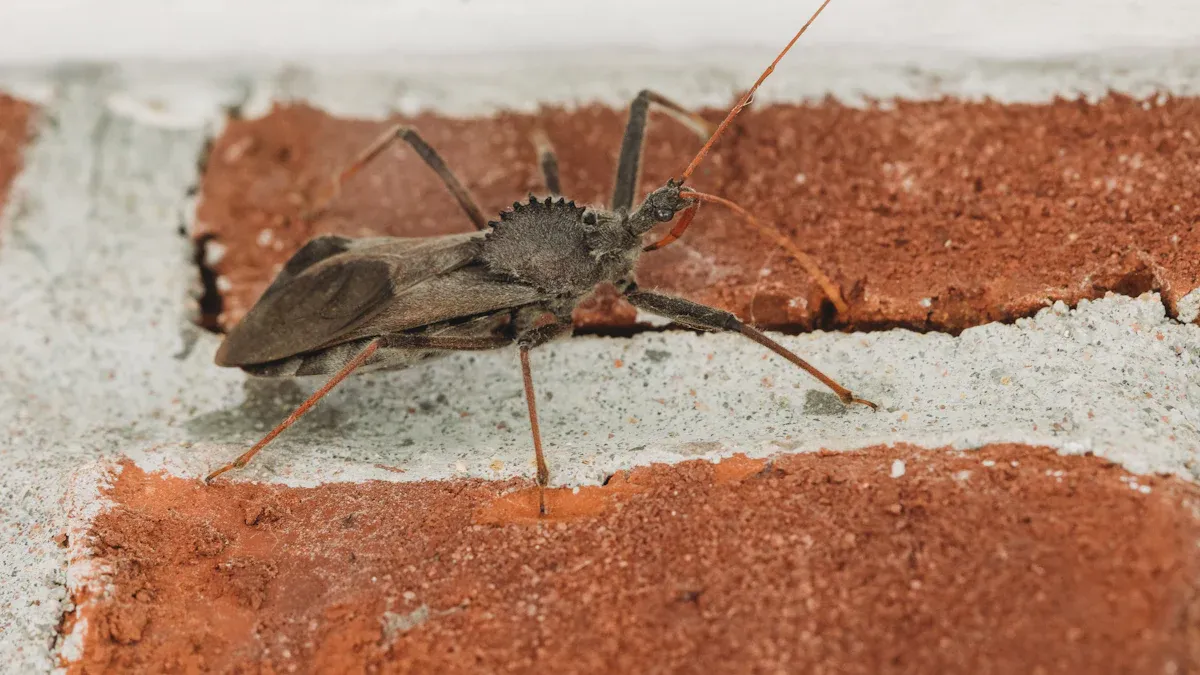
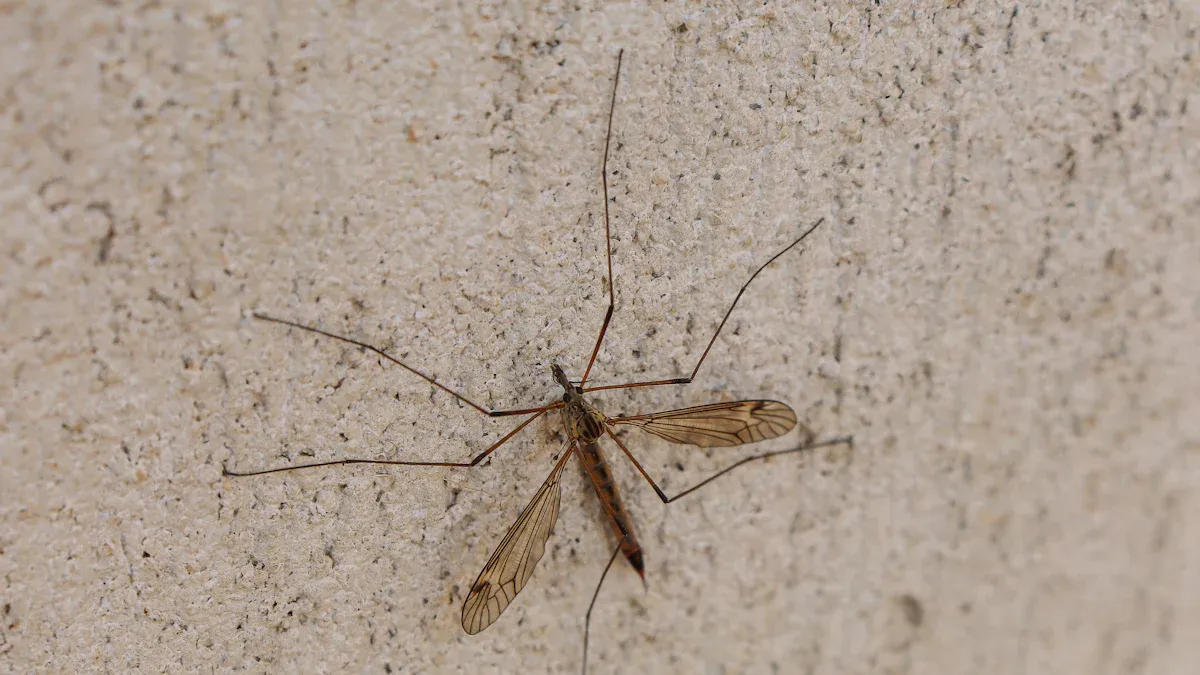
Many common pests seek entry into your home through exterior vulnerabilities. Rodents, like mice and rats, squeeze through small cracks. They look for shelter and food. Insects such as ants, cockroaches, and termites also find ways inside. These pests can cause structural damage and spread diseases. A pest infestation can quickly get out of control. You need to be vigilant in preventing pests from entering your home. Rodents often chew through wires, creating fire hazards. Other rodents can contaminate food.
The Dangers of Moisture Intrusion
Moisture intrusion is particularly destructive. Excess water causes various problems. It leads to structural damage and health issues. When water seeps into your foundation, it causes erosion. This leads to uneven settling and cracks. Excessive groundwater creates hydrostatic pressure against foundation walls. This weakens concrete and increases flood risk. Wood rot and decay occur when moisture penetrates wooden structures. This weakens beams and joists. Metal components corrode when exposed to water. This causes structural instability. Freezing and thawing cycles worsen cracks. This repeated cycle causes significant structural deterioration.
Moisture also promotes mold growth. All types of mold can cause health effects. They produce allergens that trigger allergic reactions or asthma attacks. Some molds produce potent toxins. You might experience nasal congestion, a runny nose, or respiratory problems like wheezing. Other symptoms include coughing, throat irritation, and sneezing. Mold in your home can lead to serious health concerns. You need good moisture control to prevent this. Preventing water from entering your home is crucial for your health and the integrity of your home.
Identifying Vulnerable Exterior Openings
You must identify where pests and moisture can enter your home. Many common entry points exist. Knowing these vulnerabilities helps you protect your property. You can prevent costly damage.
Wall Vulnerabilities
Exterior walls often have hidden weaknesses. You should look for gaps and cracks in your foundation. These openings allow pests to enter. Cracks in concrete foundations are common. Gaps in siding also create entry points. Weep holes in brick veneer can be vulnerable. Pests can squeeze through holes larger than ¼ inch. You should also look for gaps around utility lines. These include pipes, wires, and vents. They enter your house from the outside. These holes are perfect entryways for pests and water.
Windows and Doors
Windows and doors are frequent entry points. Small gaps often form around windows and doors. These openings occur due to temperature changes. Your home also settles over time. Everyday wear and tear contributes to these gaps. Doors may not close tightly. You might find gaps between the door frame and the door itself. Window screens can have tears or holes. Warped frames or gaps between the window frame and siding also create vulnerabilities. These holes provide pests easy access to warmth, moisture, and food. Water can also seep through these openings.
Roof-Wall Intersections and Eaves
The roofline is another critical area. You should inspect for gaps or holes larger than ¼ inch. These often appear between the house and the roof eaves. Weaknesses in the roofline allow entry. Rotting soffits and fascia boards are also problematic. Loose shingles create openings. Uncapped chimneys are direct pathways for pests and water.
Utility and Vent Penetrations
Utility penetrations are common vulnerabilities. You will find gaps around utility lines. These include electricity, gas, water, AC, and cable lines. They enter your house or foundation. Exterior vents without proper covers are also risky. These holes allow pests and moisture to enter. You must seal up gaps around these areas. This prevents water intrusion.
Foundation and Ground Level Issues
The foundation is crucial for protection. Cracks in the foundation allow pests and water to enter. You should also check your garage. Gaps in the rubber seal at the bottom of the garage door are common. This is especially true if the driveway concrete has shifted. These holes allow pests and water to get inside. You must address these vulnerabilities to keep your home safe from moisture and pests.
Strategies for Preventing Pests
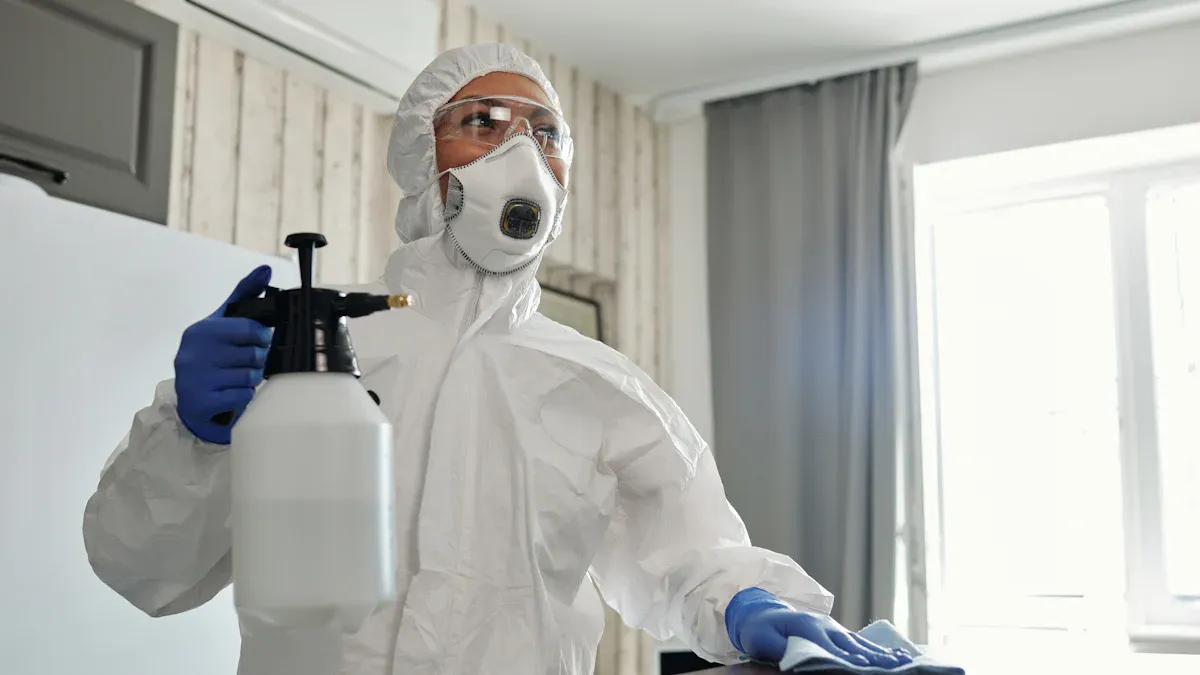
You can take many practical steps to deter and block pests from entering your home. Focus on minimizing food, water, harborage, and entry points. Proactive measures are key to preventing pests and maintaining a healthy living environment.
How to Seal Up Gaps and Openings
Sealing up gaps and openings is your first line of defense against pests. You must inspect your home’s exterior thoroughly. Look for any potential entry points.
For small cracks and gaps: You can effectively seal small gaps and cracks in exterior walls with an elastomeric sealant. Products like ‘Mor-Flexx’ are known for their effectiveness. This type of sealant remains flexible. It accommodates minor movements in your home’s structure.
For small holes: Use copper or stainless steel mesh with caulk or foam. Steel wool with caulk or spray foam also works well for small holes. These materials create a barrier that pests cannot easily chew through.
For concrete cracks: Apply epoxy to concrete cracks. This creates a durable seal. It prevents pests and moisture from entering.
For larger holes: You need to fix larger holes with more robust solutions.
For phone line penetrations and pipe entry points, expanding foam is effective. First, fill the gap with wire mesh or steel wool. This deters rodents. Then, apply expanding foam according to the instructions. After it dries, trim any excess foam. Sand it smooth, and paint it if you wish. Remember, expanding foam is flammable. Keep it away from electrical boxes.
For holes requiring ventilation, such as attic or roof vents and chimneys, use metal hardware cloth or metal lath. This breathable mesh has spacing under 1/4 inch. It is excellent for keeping out larger pests like rodents, bats, and squirrels. Cut the mesh to size. Staple it securely over the opening.
For very large openings: Use lath screen, metal, cement, hardware cloth, or metal sheeting. These materials provide a strong physical barrier. They prevent rodents and other large pests from gaining access.
You must seal up any gaps around utility lines and pipes. These are common entry points. By diligently sealing these vulnerabilities, you significantly reduce pest access.
Maintaining a Pest-Free Perimeter
Creating a pest-free perimeter around your home helps prevent pests from getting inside. You need to eliminate attractants.
Manage food sources: Store garbage in tightly sealed bins. Make sure to clean up garbage regularly. Do not leave pet food outdoors overnight.
Control water sources: Fix leaky outdoor faucets. Ensure your irrigation system does not create standing water. Pests need water to survive.
Remove harborage: Keep your yard free of debris. This includes piles of leaves, wood, and rocks. These provide shelter for pests.
Keep exterior walls clear: Do not allow plantings to grow directly against your exterior walls. This creates hiding spots for pests. It also traps moisture.
Store materials properly: Store firewood, lumber, and other porous materials away from your house. Elevate them off the ground. This reduces pest habitats and prevents moisture buildup.
Landscaping for Pest Control
Your landscaping choices play a big role in pest control. Thoughtful landscaping can deter pests.
Trim trees and bushes: Keep tree branches and bushes trimmed away from your house. Pests use these as bridges to access your roof and windows.
Maintain ground cover: Ensure ground cover plants are not overgrown. Overgrown plants provide excellent hiding places for pests.
Improve drainage: Grade your yard away from your foundation. This prevents water from pooling near your home. Standing water attracts many pests.
Regular Inspections for Pests
Regular inspections are crucial for preventing pests. You need to be vigilant.
Schedule routine checks: Make it a habit to inspect your home’s exterior monthly. Look for gaps, cracks, or new holes.
Check vulnerable areas: Pay close attention to areas identified as vulnerable. These include foundations, windows, doors, and utility penetrations.
Act quickly: If you find any new gaps or holes, address them immediately. Early detection and repair prevent small problems from becoming large infestations. This helps prevent rodents and other pests from establishing themselves.
Strategies for Moisture Intrusion Prevention
You need a strong defense against water. Your home’s building envelope provides this protection. This envelope has several layers. These layers include vapor, air, water, and water-shedding components. Each layer works to keep your home dry. This section shows you how to prevent moisture from getting inside. You can create a tight building envelope. This barrier stops water penetration.
Proper Flashing and Drainage
Proper flashing is crucial for moisture control. Flashing directs water away from vulnerable areas. You must install it correctly around windows, doors, and roof-wall intersections. This prevents water from seeping into your home’s structure. A good water-resistive barrier works with flashing. This barrier creates a continuous shield against water.
When you install flashing around windows and doors, follow specific steps for maximum protection:
Head Jamb Protection: The head jamb is very vulnerable. It needs extra protection. You can use a drip cap. This cap can be part of the window or you can make one. Use flashing tape and aluminum coil stock for this.
Side Flashing Application: Flashing tape should extend 4 to 5 inches past the window’s top and bottom flanges. The top of the side pieces should stay at least 1 inch below the head piece’s top. This ensures a continuous bond with the sheathing. For windows with integral flanges, butt the tape tightly to the jamb.
Top Flashing and Housewrap: Apply tape over the top flange. Extend it 2 to 3 inches past the side pieces. After placing it, fold down the housewrap tab. Tape along its bottom and corners with housewrap tape. Do not tape the bottom flange.
Pan Flashing: Install pan flashing. This collects and drains any water that gets through. You can make this on-site. Use beveled siding and self-adhesive flashing tape. This forms a seamless pan that fits the sill.
Caulking Guidelines: Apply a 1/2-inch bead of caulk along the sides and top of the opening. Do not caulk along the bottom. This prevents water from getting trapped in the pan flashing. Use a window and door silicone caulk. It needs an ASTM C-920 rating. This complies with manufacturer warranties.
You should also use liquid-applied sealants for wall penetrations. These sealants create a waterproof barrier. For openings between frames and walls, use waterproof or marine-rated sealants. These sealants ensure a tight building envelope. They stop water from entering your home.
Effective Gutter and Downspout Systems
Effective gutter and downspout systems are essential for moisture control. They collect rainwater from your roof. They direct this water away from your foundation. This prevents water from pooling around your home. Pooling water can lead to foundation damage and moisture intrusion. Ensure your gutters are clean and free of debris. Clogged gutters overflow. This sends water directly to your foundation. Extend downspouts several feet away from your home. This moves water far from the building envelope. A well-maintained system is a key part of your water-resistive barrier.
Exterior Finish Maintenance
Your home’s exterior finishes provide a critical water-shedding layer. This layer protects the underlying building envelope. Regular maintenance prevents moisture from getting in. You should inspect your siding, paint, and other finishes often. Look for signs of wear or damage.
Signs of failing exterior finishes indicate potential moisture intrusion:
Peeling, cracking, or blistering paint on exterior surfaces.
Bubbling or blistering paint on the exterior. This shows trapped moisture.
Warped, bulging, or buckled siding panels.
Soft or spongy sections of siding when you press them. This suggests internal damage or rot.
Rust stains on exterior surfaces.
Weakened building materials.
Address these issues quickly. Repair or replace damaged finishes. This maintains your home’s protection against water. A well-maintained exterior finish acts as a strong barrier. It keeps your building envelope intact.
Addressing Foundation Moisture
Foundation moisture can cause serious problems. Hydrostatic pressure is a major concern. This pressure happens when water builds up in the soil around your foundation. It pushes against your foundation walls. This can lead to cracks and leaks. You need effective strategies to manage this water.
Here are effective strategies for managing hydrostatic pressure around your home’s foundation:
Drainage and Water Flow: Ensure gutters and downspouts direct rainwater several feet away from your home’s exterior walls. Grade the surrounding landscape. This promotes natural water flow away from the foundation. Interior drains can also relieve pressure in the basement subfloor.
Foundation Repair: Address hydrostatic pressure damage quickly. Early intervention prevents more costly repairs. Even small cracks need fast repair. They can worsen rapidly.
Professional Waterproofing: Implement a comprehensive waterproofing strategy. This may include vapor barriers and sump pump systems. These systems eject excess water. Often, a combination of interior and exterior drainage, expert foundation repair, and professional waterproofing provides the best defense.
Other methods also help:
Interior Drainage Systems: These systems use perforated pipes, sump pumps, and drain tiles. They channel excess moisture away from foundation walls. This prevents water buildup.
Cementitious Waterproof Coatings: These coatings create a durable, watertight seal on concrete surfaces. They effectively resist hydrostatic pressure.
Proper Soil Grading and Drainage: Slope the landscape away from the foundation. Install French drains or gutter extensions. This directs water away, reducing accumulation.
Crack Injection and Repair: Seal foundation cracks with polyurethane or epoxy resins. This prevents water from entering. It addresses entry points for moisture.
Exterior Waterproofing Membranes: Apply membranes made of rubberized asphalt, polyurethane, or bentonite clay. This forms a protective barrier against water infiltration on foundation walls.
These measures create a strong barrier. They protect your home from foundation moisture.
Ventilation for Moisture Control
Proper ventilation is a key part of moisture control. It helps manage humidity levels inside your home. This includes attics and crawl spaces. Without good ventilation, warm, humid air can get trapped. This leads to condensation, mold growth, and wood rot. An effective air barrier works with ventilation. It prevents unwanted air and moisture movement.
Proper attic and crawl space ventilation offers many benefits for moisture control:
Mechanical fans in crawlspaces move stale, humid air out. They draw in fresh air. This reduces moisture levels. High moisture can damage your home’s structure.
Proper attic ventilation prevents hot spots and moisture buildup. It ensures balanced intake and exhaust.
Good ventilation directly reduces the risk of ice dams. It keeps roof surfaces cool. This prevents uneven snowmelt. It extends shingle lifespan. It avoids costly water intrusion.
HRVs (Heat Recovery Ventilators) and ERVs (Energy Recovery Ventilators) help maintain stable temperature and humidity levels. This applies to conditioned crawlspaces or attics. It supports the durability of building materials. It reduces moisture-related issues.
In crawlspaces, temperature differences cause humid indoor air to condense. This leads to standing water, mold, or wood rot. The stack effect can carry these problems upward to living spaces. Mechanical fans help reduce these moisture levels. Without proper attic ventilation, warm air melts snow on the roof. This water then refreezes at the eaves. This forms ice dams. Ice dams cause leaks, shingle damage, and insulation failures. Intelligent, responsive attic ventilation systems activate when external air conditions are favorable. They dry moisture or reduce heat. This targeted approach prevents issues like mold, wood rot, and ice dams. It also ensures insulation remains effective. Energy consumption stays low. Good ventilation is a vital part of your building envelope. It provides essential protection.
DIY Versus Professional Help
You can handle many tasks to protect your home. Other situations require expert knowledge. Knowing when to do it yourself and when to call a professional saves you time and money. It also ensures the long-term integrity of your building envelope.
When to DIY
You can tackle many common issues yourself. Simple repairs often fall within your capabilities. Sealing small cracks with caulk is a good example. You can also clean your gutters regularly. Trimming bushes away from your home’s foundation helps. These actions strengthen your home’s protective barrier. They contribute to a sound building envelope. You maintain the integrity of your home’s envelope. This proactive approach prevents minor issues from becoming major problems. You reinforce the entire building envelope. This continuous barrier is essential. You ensure your home’s envelope remains a strong barrier against pests and moisture.
When to Call a Professional
Some problems require expert attention. You should call a professional for significant moisture intrusion. Foundation cracks or persistent leaks need specialized skills. These issues threaten your entire building envelope. A professional can assess complex damage. They ensure your home’s envelope remains intact. They provide a robust barrier against water. Look for specialists with specific certifications. For example, a BEC-2-BUILDING ENVELOPE CERTIFIED professional has 16 hours of training. This covers building science envelope, construction systems, and inspections. A BEWI-1-BUILDING ENVELOON WATER INTRUSION expert has 10 hours of training. This focuses on water intrusion risks and prevention strategies. The Registered Waterproofing Consultant (RWC®) designation from IIBEC signifies a commitment to quality. RWCs are verified experts. They prevent costly failures. They extend building life. They provide confidence to project teams. These professionals advise on waterproofing materials and codes. They develop designs. They investigate water intrusion sources. They recommend repairs. They conduct on-site observations. They prepare comprehensive reports. They ensure your building envelope functions as an effective water-resistive barrier. This protective barrier is crucial. They help maintain your home’s envelope as a strong barrier.
You must proactively maintain your home’s exterior walls and openings. This attention to detail is crucial. It prevents costly damage from pests and moisture. You ensure a healthier, safer home. Your building envelope gains enhanced durability and protection. Regularly inspect your home for vulnerabilities. Take action against any identified issues. This safeguards your investment and peace of mind. You keep your home’s envelope strong against water intrusion. Effective moisture control protects your home from water damage. You prevent water from entering your home. This proactive approach manages moisture. It keeps your home’s envelope secure from water.