

Your home is likely your biggest investment. Protecting it requires essential home maintenance. This proactive approach saves you money on costly repairs. Homeowners who perform regular home maintenance avoid repair expenses that are three to five times higher than preventive care. It also increases your home’s value and ensures occupant safety. A seasonal home maintenance checklist simplifies these tasks. This prevents overwhelm and validates appliance warranties. You can prevent major damage each season with consistent maintenance. How will you protect your biggest asset?
Budgeting for Home Maintenance
Estimating Annual Costs
You need a plan for your home’s upkeep. Start by estimating how much money you will spend each year. Many experts suggest you set aside 1% to 3% of your home’s total value annually. This covers both maintenance and repairs. For example, if your home costs $250,000, you should budget about $2,500 each year. This helps protect your investment. It also prepares you for future expenses.
You can use a few common methods to estimate these costs. The “1% Rule” is popular. It suggests you budget 1% of your home’s appraised value every year. Another method is the “Square Footage Rule.” This approach recommends you allocate $1 per square foot of your home for annual repairs and maintenance. So, a 2,500 square foot home would need around $2,500 set aside.
Setting Aside Funds
Once you know your estimated costs, you must set aside the money. Experts suggest saving between 1% and 4% of your home’s value each year. Adjust this based on your home’s age and condition. Older homes often need more repairs. You can also save 10% of your monthly mortgage payment. Transfer this amount to a savings account when you pay your mortgage.
Automate your savings. Set up automatic transfers from your checking account to a dedicated savings account. Do this right after you get paid. This ensures you consistently build your fund. Use a separate account just for home maintenance. This makes it easy to track your savings. You can also put tax refunds or bonuses into this account. Start saving early to avoid using credit cards for unexpected expenses.
Tracking Expenses
You should track all your home maintenance spending. Keep a record of every repair and upgrade. This helps you see where your money goes. It also helps you adjust your budget for the next year. Knowing your past expenses makes future planning easier.
Spring Home Maintenance Checklist
Spring brings warmer weather and a fresh start. It is the perfect time for essential home maintenance. This checklist helps you prepare your home for the months ahead. You can prevent costly problems with these spring home maintenance tasks.
Exterior Inspection & Cleaning
You should start your spring maintenance outside. Inspect your home’s exterior for any winter damage.
Inspect Your Roof: Look for missing, damaged, or curled shingles. Check for moss or algae growth. Inspect the flashing around chimneys and vents. Some repairs may need professional help.
Check the Chimney: Inspect the flashing for peeling or deterioration. Look for loose bricks, especially after heavy snowfall.
Inspect and Clean Gutters: Remove leaves, twigs, and other debris. This ensures proper water flow. Check for sagging or leaks. Consider installing gutter guards to reduce future cleaning.
Examine the Foundation: Look for cracks in the foundation. Seal small cracks with caulk. Consult a professional for large cracks.
Refresh Paint and Siding: Touch up any peeling paint. Power wash your siding to remove dirt and grime.
Inspect Windows and Doors: Look for cracks or gaps around frames. Re-caulk or replace weatherstripping. Clean all windows for a clearer view.
Yard and Landscape Maintenance: Trim trees and bushes. Perform general lawn care. Inspect fencing and decks for any needed repairs. Clean all outdoor areas.
HVAC System Prep
Your heating, ventilation, and air conditioning (HVAC) system needs attention in spring. Proper preparation ensures it runs efficiently.
Change the Air Filter: Replace clogged filters every one to three months. This improves airflow and indoor air quality.
Clean the Outdoor Unit: Remove debris, leaves, and vegetation from the outdoor condenser coils. This ensures unobstructed airflow and efficient operation.
Inspect the Ductwork: Check for wear, gaps, or blockages. Seal any leaks to prevent energy loss. This ensures proper air circulation.
Test the Thermostat: Verify proper temperature regulation. Consider upgrading to a smart thermostat for better energy control.
Inspect the Condensate Drain: Clear any blockages. This prevents water damage or system malfunctions from excess moisture.
Schedule Professional Maintenance: Arrange for a certified technician to perform a thorough inspection and tune-up. This ensures optimal system function and longevity.
Plumbing & Drainage Checks
Spring rains can test your plumbing and drainage systems. You must perform crucial checks to prevent water damage.
Clean Gutters and Downspouts: Remove accumulated debris. This ensures proper water flow away from your foundation. It prevents basement leakage.
Flush Your Water Heater: Drain and flush your water heater to remove sediment. This improves efficiency and extends its lifespan. Turn off power or gas first. Connect a hose to the drain valve. Flush until the water runs clear. Then refill and restore power.
Check Sewer Lines: Look for slow drains or gurgling sounds. These can indicate blockages, especially with heavy spring rains. Professional inspection is recommended for suspected blockages.
Test Water Pressure: Use a gauge on outdoor spigots. Ensure it is between 40-60 PSI. Inspect indoor aerators and showerheads for mineral buildup. Check for pressure drops when multiple faucets are open.
Examine Outdoor Faucets and Irrigation Systems: Look for leaks or damage. Test their operation to prevent water waste.
Test Your Sump Pump: Pour a bucket of water into the pit. Ensure it operates correctly. This prevents basement flooding during increased rainfall.
Check for Leaks: Inspect exposed pipes in basements and crawl spaces. Detect issues early to avoid costly repairs.
Clean and Maintain Drains: Clear kitchen, bathroom, and outdoor drains. This prevents clogs and ensures smooth plumbing operation.
Lawn & Garden Care
Your lawn and garden need attention in spring. These tasks help them thrive.
Conduct a Spring Inspection: Check for cold or ice damage. Look for garden beds needing cleanup. Address shifted hardscaping. Watch for signs of animal activity.
Perform a Thorough Spring Cleanup: Remove plant debris from garden beds. This includes fallen branches, matted leaves, and old foliage. Clean ponds and water features. Sterilize bird baths and containers.
Test Garden Soil: Test your soil every three to five years. This determines nutrient needs. Adjust fertilizer use accordingly.
Feed Your Soil: Topdress with compost, humus, or manure. Apply organic slow-release plant food around perennials and shrubs.
Be Prepared to Cover Plants: Cover tender emerging buds or foliage if freezing temperatures are forecast. Use old sheets, towels, or professional row cover. Avoid plastic.
Safety Device Testing
Safety devices protect your family. You must ensure they work correctly.
Test Smoke and Carbon Monoxide Detectors: Test all smoke and carbon monoxide detectors once a month. At a minimum, test them twice a year. This is a vital part of your maintenance checklist.
Summer Home Maintenance Checklist
Summer brings warm weather and outdoor activities. This season also requires specific home maintenance to keep your property in top shape. This checklist guides you through essential summer maintenance tasks. You can prevent costly repairs and enjoy your home more.
Exterior Upkeep & Repairs
You should continue your exterior upkeep during the summer. Inspect your home for any issues that developed.
Examine Your Roof: Look for missing, curling, or damaged shingles. Inspect flashing around chimneys, skylights, and vents. Check your attic for signs of leaks or water damage.
Power Wash and Repair Surfaces: Power wash siding, decks, patios, and driveways. Inspect for cracks or damage in walkways. Repair them as needed. Re-seal wooden decks and fences. Touch up peeling paint or stain.
Check Outdoor Plumbing: Inspect hoses and faucets for cracks or leaks. Ensure your sprinkler systems work properly. Clean out irrigation filters and check timers.
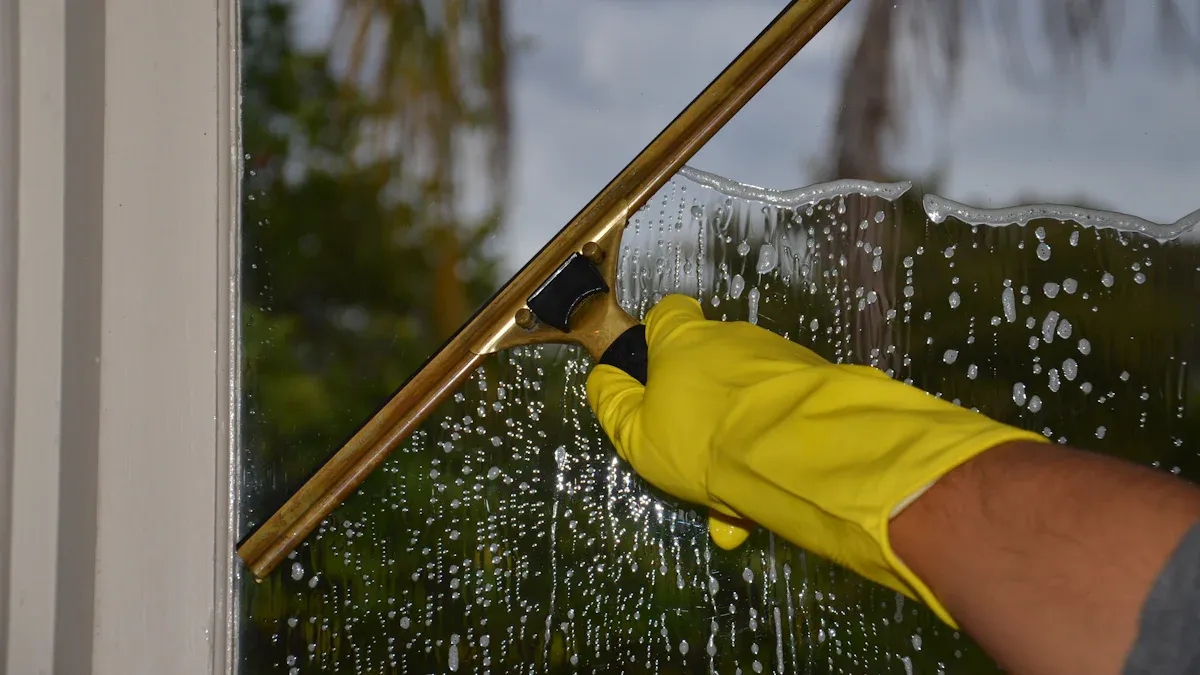
Clean Windows and Screens: Wash windows inside and out. Clean or replace screens. This allows fresh air in without pests. Check for tears in screens. Patch or replace them.
Give Your Landscaping Attention: Trim vegetation and tree branches away from your house. This prevents pests from using plants as bridges to your home.
Cooling System Optimization
Your cooling system works hard in the summer. You can optimize its efficiency. This saves energy and keeps your home comfortable.
You should perform regular maintenance on your cooling system. Change air filters often. Schedule professional inspections. Seal ducts. Upgrade to programmable thermostats. Clean system components.
Seal and Insulate Air Ducts: Address gaps, holes, or disconnected segments in your ductwork. This prevents up to 30% cooling loss. Insulate ducts in unconditioned spaces.
Schedule Professional Maintenance: Engage qualified hvac professionals for twice-yearly maintenance. Ideally, do this in spring. They check refrigerant levels, clean coils, test electrical connections, and lubricate parts.
Clean or Replace Air Filters: Regularly check and replace air filters. Do this every one to three months. This ensures proper airflow. It prevents your system from overworking.
Inspect Coils for Dirt: Annually inspect and clean both indoor evaporator and outdoor condenser coils. This maintains efficiency and cooling capacity.
Optimize Thermostat Settings: Use programmable or smart thermostats. Set them to 78°F when you are home. Increase the temperature by 7-10 degrees when you are away. This reduces cooling costs by up to 10%.
Enhance Air Circulation: Use ceiling fans rotating counterclockwise. This creates a wind-chill effect. Rooms feel 4-6 degrees cooler without lowering the thermostat. Turn them off in unoccupied rooms.
Deck & Patio Care
Your deck and patio are central to summer living. Proper care keeps them safe and looking good.
Sweep Regularly: Sweep your deck weekly or bi-weekly. This removes dirt and debris.
Remove Debris Promptly: Remove leaves and other debris quickly. This prevents slip hazards and mold or mildew growth.
Clear Between Boards: Remove debris lodged between deck boards. Use a putty knife. This prevents mold and mildew.
Clean Thoroughly: Clean your deck with an appropriate, non-abrasive cleaning agent.
Inspect for Damage: Conduct a full-scale deck inspection at the start of summer. Look for cracks, splits, rot, loose fasteners, discoloration (mold/algae), or warping. Probe soft areas with a screwdriver. If it sinks easily, repair water damage before cleaning or sealing.
Clear Underneath: Clear leaves, trash, and debris from underneath your deck. Do this at least once a season. Use a leaf blower, broom, wet-dry vac, or rake. This prevents moisture buildup and structural damage.
Pest Prevention
Pests can become a problem in summer. You can take steps to keep them out of your home.
Seal Entry Points: Seal entry points throughout your property. Focus on doors, windows, foundation damage cracks, and utility line entry points. Repair torn window screens. Install fresh weather stripping around doors. Seal utility openings with caulk or foam. Inspect and replace door sweeps.
Eliminate Water Sources: Eliminate standing water. Manage moisture. Fix leaks. Ensure proper gutter function. Address poor drainage. Dump, drain, or refresh water sources at least weekly. This includes kiddie pools, plant saucers, pet water bowls, old tires, and clogged gutters.
Maintain Your Yard: Trim vegetation regularly. This prevents pests from using plants as bridges to your home. Keep your lawn trimmed to 3 inches or less. Remove leaf litter. Trim bushes and tree branches away from your house.
Install and Maintain Screens: Install and maintain screens on windows and doors. Repair any holes or tears promptly.
Store Food Properly: Store all food, including pet food, in sealed containers. Clean up food crumbs regularly. Dispose of garbage regularly with tight-fitting lids. Maintain clean surfaces free of food residue.
Consider Professional Help: Never attempt to remove wasp or hornet nests yourself. Call professional pest control technicians. If you spot a nest, call for removal immediately. Small nests are easier and cheaper to eliminate.
Water Heater Maintenance
Your water heater works year-round. You should perform specific maintenance in the summer.
Adjust Temperature: Adjust the temperature setting to a lower temperature, around 120 °F. This conserves energy.
Check Anode Rod: Check the anode rod for corrosion. Replace it if necessary. This prevents damage to the water heater tank.
Clean Around Heater: Clean the area around your water heater. This prevents dust buildup. Dust can pose a fire hazard.
Check Gas Valves: Check gas control valves for leaks. Use a gas leak detector solution or soapy water. If bubbles form, turn off the gas and call a plumber.
Lubricate Pump: Lubricate the circulating pump, if applicable, regularly. This prevents wear and tear. It improves water flow and reduces friction.
Inspect Monthly: Inspect your water heater monthly for leaks, rust, or corrosion. Keep the area free of clutter.
Flush Annually: Flush your water heater fully at least once a year. A plumber can do this. Or, flush about a gallon every two months for tank water heaters. This removes sediment.
Test T&P Valve: Test the temperature and pressure relief (T&P) valve monthly. Raise and lower the lever. This ensures it releases pressure.
Use Vacation Mode: Use vacation mode for extended getaways (48 hours or more). Or, lower the thermostat to the lowest setting. This saves energy and prevents mishaps.
Fall Home Maintenance Checklist
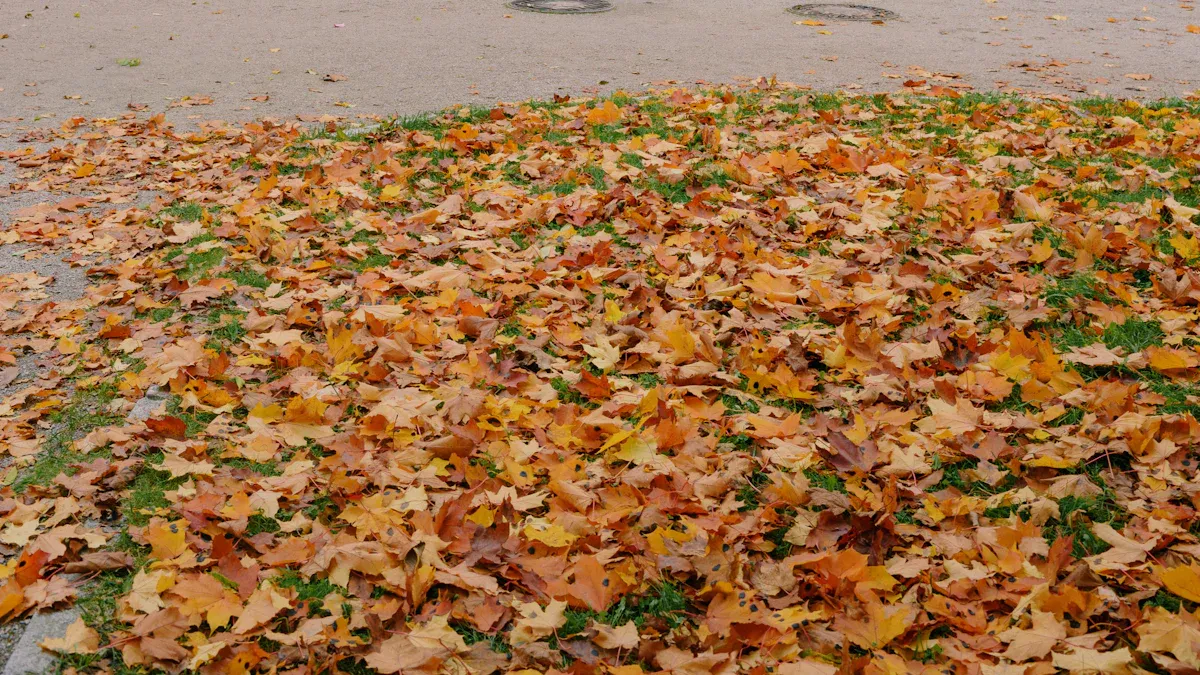
Fall brings crisp air and changing leaves. It also signals the time to prepare your home for colder weather. This essential fall home maintenance checklist helps you protect your property. You can prevent costly repairs and ensure comfort during the winter months.
Winterizing the Exterior
You must prepare your home’s exterior for the harsh conditions of winter. Start by inspecting your front door. Look for wear, cracks, or gaps. Check the condition of existing weather-stripping. Clean the door thoroughly before you seal it. Then, seal any gaps or damage using weather-stripping around the frame. Use caulk for cracks and holes. Inspect the door sweep to ensure it prevents drafts. Consider adding a draft guard for extra insulation. For wooden doors, apply a wax treatment. This prevents cracking and enhances resilience.
Heating System Prep
Your heating system needs attention before the cold weather arrives. Schedule a maintenance check-up by a licensed hvac technician. This ensures your furnace, heat pump, or boiler operates correctly and efficiently. Address any comfort issues or performance problems you noticed in the previous winter or spring. Schedule HVAC services and repairs as needed. Replace existing air filters with a new furnace filter. This prevents airflow blockage and ensures maximum efficiency. Change batteries in all carbon monoxide detectors. Test their operation. Replace any device that does not produce a loud, steady alarm or is over 10 years old. Care for the outdoor unit by cleaning dirt and debris from fins. Pull out vegetation. Prune bushes and shrubs. Trim dead tree branches. Keep outdoor items at least two feet away from the unit. Inspect and fix air leaks around the house. This prevents drafts and heating loss. Ensure supply and return vents are open and unobstructed. You should perform an annual furnace tune-up in the fall. This ensures safe and efficient operation and extends equipment life.
Gutter & Downspout Cleaning
Cleaning your gutter system is a critical fall task. The ideal time to clean the gutters is after most leaves have fallen. This usually occurs from late October through mid-December. This depends on your local climate and tree species. Complete this task before consistent freezing temperatures arrive. This prevents wet leaves from freezing into solid blocks.
You should use a sturdy, stable ladder. Place it on a firm, level surface. Ensure it extends at least 3 feet above the roof line. Have someone spot you. Reposition frequently instead of overreaching. Wear proper safety gear. This includes work gloves, safety glasses, and long sleeves and pants. Clear debris first. Manually remove large clumps of leaves and debris. Use a plastic gutter scoop, small garden trowel, or gloved hands. Collect it in a bucket. Avoid sharp metal tools. Flush with water after removing large debris. Use a garden hose with a strong nozzle. Flush out remaining grit and smaller debris. Start from the furthest point from the downspout. Check for free water flow. Clear any downspout clogs. Inspect your gutter and downspouts. Look for issues like cracks, holes, loose hangers, rust spots, or sagging. Ensure downspout connections and extenders direct water away from the foundation. Never use a pressure washer. High pressure can damage gutters, dislodge shingles, or force water under the roof.
Consider hiring a professional for gutter cleaning if you have:
Multi-Story Homes: Working at significant heights is dangerous.
Steep Roof Pitches: Navigating these is hazardous for DIYers.
Lack of Proper Equipment: You may not own a sturdy ladder or safety gear.
Heavy Tree Coverage: Professionals clean more thoroughly and efficiently.
Persistent Clogs/Maintenance Issues: They can diagnose and fix root causes.
Time Constraints or Physical Limitations: Cleaning is physically demanding and time-consuming.
Integrated Gutter Guards: Some types still need occasional professional maintenance.
Desire for Insurance and Expertise: Professionals are insured and experienced in identifying underlying issues.
Chimney & Fireplace Inspection
You must inspect your chimney and fireplace before using them in winter.
Exterior Chimney Condition: Check for wear, cracks, or breaks in bricks and mortar. Pay attention to weather effects like freezing and thawing.
Interior Chimney Condition: Look for visible cracks, loose bricks, or signs of deterioration inside the fireplace and chimney.
Chimney Cap & Crown Condition: Inspect for rust, cracks, or damage. This protects against weather, debris, and animals.
Chimney Flashing Condition: Check for warped, bent, or loosened metal seals between the chimney and roof. This prevents water leaks.
Unusual Noises: Listen for cracking, popping, dripping water, or animal sounds. These can indicate serious issues.
Creosote Deposits: Look for hard, black, tar-like flakes inside the chimney. This indicates a need for professional cleaning.
Tree Branches: Ensure no branches are too close to the chimney or roof. This prevents blockages, animal access, or structural damage.
Ash Leftovers: Remove excess ash from the firebox. This prevents corrosion and maintains efficient fires.
Smoke & Carbon Monoxide Detectors: Regularly check batteries and replacement dates.
Damper Functionality: Ensure it opens and closes smoothly. It must form a tight seal.
Firebox & Grate Condition: Check for cracks, corrosion, or damage. This prevents fire risks and ensures wood is securely held.
Fire Safety Standards: Consider professional assessment for compliance with safety guidelines.
Insulation & Draft Sealing
Sealing drafts and checking insulation are crucial fall maintenance tasks. You can find drafts in several ways. Look for visible gaps or cracks around windows, doors, baseboards, and vents. Pay attention to where different building materials meet. On a windy day, move your hand around the edges of windows, doors, and electrical outlets. Feel for temperature changes or breezes. Hold a lit candle or incense near suspected drafty areas. A flickering flame or wavering smoke indicates air movement.
You can seal drafts effectively. For foam weather stripping, clean the area to be sealed. Measure the length of the area. Cut the foam weather stripping to the measured length. Peel off the plastic from the adhesive side. Stick the adhesive side to the area, ensuring proper application. For V-seal weather stripping, measure the length of the window or door before cutting the V-seal. Fold the V-seal down the middle to create a V-shape with the adhesive side out. Peel off the protective backing as you apply the strip. Then press it into place. Close the door or window to check that the strip compresses slightly for a snug fit.
Insulate outlets and light switches on exterior walls. Turn off electricity at the circuit breaker. Remove the cover plate from the outlet or switch. Choose a foam pad with pre-cut holes that match. Remove extra material from holes. Then place the pad over the outlet or switch. Put the cover plate over the foam pad and re-attach it. Insert safety caps on any unused outlets.
You can also lessen your home’s draftiness with low-budget options. Use thicker curtains. Add area rugs. Hang tapestries or wall hangings. Install door sweeps. Use weatherstripping tape. Apply removable caulk. Cover mail slots. Seal electrical outlets.
Winter Home Maintenance Checklist

Winter brings cold temperatures and potential challenges for your home. Proactive winter home maintenance helps you avoid costly repairs. This checklist guides you through essential winter maintenance tasks. You can keep your home safe and warm all season.
Interior System Checks
You must ensure your home’s interior systems are ready for the cold. This is a crucial part of your winter home maintenance.
Maintain Heating Systems: Keep your furnace, hot water tank, and humidifier in optimal condition. Regularly replace filters for furnaces and humidifiers. This improves air and water flow. Inspect your furnace and water tank if you did not do this in the fall. Insulate your hot water tank with an approved blanket. This reduces heat loss and lowers costs.
Inspect HVAC System: Have a professional inspect your HVAC system each season. Change air filters monthly. This ensures proper functioning, good air quality, and energy efficiency. Learn how to use your thermostat effectively. Smart thermostats can save energy.
Drain Your Water Heater: Drain your water heater before winter. This removes sediment buildup. Sediment shortens its lifespan. It also makes it work harder in cold temperatures.
Protect Plumbing Pipes: Insulate pipes in unheated areas. This includes garages or basements. This prevents freezing. Keep your thermostat set to at least 21°C during extreme cold. This protects pipes.
Bleed Radiators: Bleed your radiators if you have them. This removes trapped air. It helps maintain consistent heat throughout your home. Do this if radiators feel cold or make gurgling or banging noises.
Clean Dryer Vents: Clean dryer vents. This prevents house fires from flammable lint buildup. It also avoids trapping poisonous gases like carbon monoxide. This helps reduce energy bills.
Manage Humidity Levels: Monitor and maintain indoor humidity levels. Keep them between 30% and 40% during winter. This prevents dry skin, irritated sinuses, and other health issues. Modern HVAC thermostats often measure humidity. You can also use a hygrometer. Boost humidity by leaving bathroom doors open during showers. Air-drying clothes also helps.
Preventing Frozen Pipes
Frozen pipes can cause significant damage. You can take steps to prevent them.
Disconnect Outdoor Faucets: Remove garden hoses. Shut off indoor valves to outdoor spigots. Open outdoor faucets to drain water. Cover spigots with insulated covers. This prevents costly repairs from frozen spigots.
Seal Out Cold Air: Prevent cold airflow. Plastic-wrap drafty windows. Seal gaps in basements or crawl spaces. Ensure crawl space panels are closed. Changing furnace filters also helps. It prevents the furnace from overworking.
Insulate Exposed Pipes: Wrap pipes in cold or drafty areas. Use foam pipe sleeves, fiberglass insulation, or heat tape. Even household items like rags can provide temporary insulation. Wrap them thickly and keep them dry.
Adjust Home Heating: Maintain indoor temperatures above 55-60 degrees Fahrenheit during extreme cold. Open interior doors and cabinet doors under sinks. This allows warm air circulation. Avoid closing off rooms, especially those with pipes on outside walls.
Let Water Stream: Allow a pencil-width stream of cold water to run from one faucet during extreme cold. A slow drip may not be enough. Choose the faucet farthest from the main water line. This keeps water moving through the pipes.
Snow & Ice Management
Managing snow and ice around your home is important for safety. You have several options.
Mechanical Methods:
Plowing: This is efficient for heavy snowfalls. It is often better to plow during the storm. Consult a contractor for timing.
Blowing: This is suitable for long sidewalks and short driveways. Consider cost, noise, and emissions.
Shoveling: This is labor-intensive but environmentally friendly. Shovel multiple times during a storm for easier removal.
Chemical Snow Management: Apply ice melt before, during, or after snow or ice events.
Rock Salt (Sodium Chloride): This is cost-effective. It works down to 22°F. However, it is corrosive to concrete, plants, and the environment.
Calcium Chloride: This works down to -25°F. It is pricier.
Magnesium Chloride & Potassium Chloride: These are safer for plants. They work at low temperatures. They are more expensive than rock salt.
Concrete Warning: Avoid using ice melt on concrete less than a year old. This prevents spalling.
De-icing: Spread chemical salts on thin layers of snow or ice after bulk removal. They lower the freezing point of water. Sodium Chloride is common and affordable. Calcium Chloride is effective at very low temperatures.
Anti-icing: Spread liquid salt brine before or after a snowstorm. It melts snow on contact. It prevents bonding between pavement and accumulating snow. This makes shoveling easier.
Traction Control: Use materials like sand, ash, or kitty litter. This makes surfaces less slippery instead of melting ice. It is inexpensive and safer for the environment. Sweep up and reuse large amounts.
Low Impact Snow Removal: The simplest method is to let snow melt naturally. Clear only necessary paths. This reduces time, materials, cost, and environmental impact.
Appliance Care
Specific appliance care is important during winter. This is a key part of your winter home maintenance. These winter maintenance tasks help prevent issues.
Heating System: Schedule a professional inspection. Regularly clean or replace furnace filters.
Water Heater: Check for leaks. Monitor for troubleshooting signs. These include inadequate heating, discoloration, or unusual smells. Periodically flush the unit.
Kitchen Appliances: Inspect oven door seals. Ensure kitchen ventilation systems have clean filters. Clean refrigerator door gaskets.
Laundry Appliances: Inspect washing machine hoses for wear. Ensure dryer venting systems are clear of lint buildup.
Emergency Preparedness Equipment: Test backup power systems. Ensure snowblowers are operational. Check batteries in safety devices. This includes smoke and carbon monoxide detectors.
Emergency Preparedness
You must prepare for winter emergencies. This winter home maintenance checklist helps you gather essential items. This protects your family and home from potential damage.
Lighting and Power: Include flashlights and batteries for flashlights, radios, and other battery-powered devices. Have a battery-operated radio for weather alerts. Include backup energy sources like portable power banks or solar chargers.
Food and Water: Store food and water. Have at least one gallon per person per day. Non-perishable items like nuts, dried food, canned goods, or freeze-dried items are best. Include a manual can opener.
Medical Supplies: Keep a first aid kit. Have at least a one-week supply of prescription medication and medical supplies. Include a list of medications and dosages.
Warmth and Shelter: Pack thermal emergency blankets, regular blankets, and warm clothing. Include hats and mittens.
Heating and Cooking: Consider non-electric indoor space heaters. Propane or kerosene models are options. Have a portable camping stove for cooking. Ensure it is indoor-rated or used outdoors with proper ventilation. Include charcoal, matches, newspapers, and lighter fluid for outdoor grills. A full propane tank for a gas grill is also useful.
Special Needs: Include pet food and medicine. Have baby food, formula, and diapers if needed.
Vehicle and Generator Fuel: Keep your car gas tank full. Store fuel for a generator. Have maintenance supplies like oil, filters, spark plugs, and undamaged extension cords.
Water Management: Have water containers or ice for your refrigerator and freezer. Dry ice is also an option if obtainable. Use refrigerator thermometers.
Outdoor Tools: Keep a snow shovel and ice-melting products handy.
Important Documents: Keep personal, financial, and medical records safe and accessible. Consider a waterproof container.
DIY vs. Professional Help
You can handle many tasks around your home. Deciding when to do it yourself or hire a professional saves you time and money. This section helps you make smart choices.
Identifying DIY Tasks
You can manage many common home maintenance tasks yourself. These tasks help keep your home running smoothly. You can clean and replace HVAC filters. Clean sink stoppers and drains. Run water in unused spaces. Inspect and reseal caulking. Test smoke and carbon monoxide detectors. Clean faucet aerators. Inspect washer and dryer connections. Clean your kitchen range hood. Walk the exterior of your home. Drain and refill your hot water heater. Inspect your roof and gutters. Lubricate garage door rails. Service your lawn equipment. Check your fire extinguishers. You can also clean a dryer vent. Clean gutters and downspouts. Fix a leaky faucet. Clean your dishwasher. Clean your garbage disposal. Unclog a sink or drain. Stop a running toilet. Re-caulk your bathroom.
When to Call a Professional
Some situations require a professional. You might spend 20-30 hours monthly on home-related tasks. This includes researching contractors or scheduling appointments. You might experience a home emergency while traveling. A burst pipe or power outage needs immediate local help. You could make costly mistakes due to a lack of local knowledge. Improper HVAC maintenance at high altitude is one example. Water restriction violations or issues with historic district modifications are others. Home management stress can negatively impact your well-being. This leads to anxiety about contractor interactions or maintenance schedules. Professional contractors are necessary for significant home projects. These include renovations or major alterations to systems. Plumbing or electrical work often needs experts. These jobs involve multiple tradesmen. They cost a lot. They can take weeks or months to finish. This prevents further damage.
Finding Qualified Contractors
You need reliable ways to find good contractors. Ask friends, neighbors, or local real estate agents for recommendations. Home service marketplaces like Taskrabbit or Angi let you browse professionals. You must vet them and read reviews. Fix-it franchises like Ace Handyman vet and insure their staff. This offers reliability. Post requests on social networks like Nextdoor. Be careful with recommendations from strangers. Concierge services manage home repairs for you. They often use a subscription model. They have vetted professionals. Virtual home repair experts offer video chats for guidance. This helps DIYers with expert supervision. For work that could cause a fire, flood, or structural changes, hire a licensed tradesperson. This includes roofers, electricians, or plumbers. For smaller tasks, a general handyperson may work. Always ensure anyone you hire has general liability insurance. Get everything in writing. This includes handwritten estimates or digital contracts. Detail every task and the hourly rate or project fee.
Consistent, seasonal essential home maintenance is a smart investment. It boosts your home’s longevity and value. You gain peace of mind knowing your biggest asset is protected. Adopt these essential home maintenance tasks as a routine. Use this maintenance checklist to guide you. Regular home maintenance prevents major problems. A little effort each season saves you money and stress. Start implementing these essential home maintenance tasks today. Your home will thank you.

