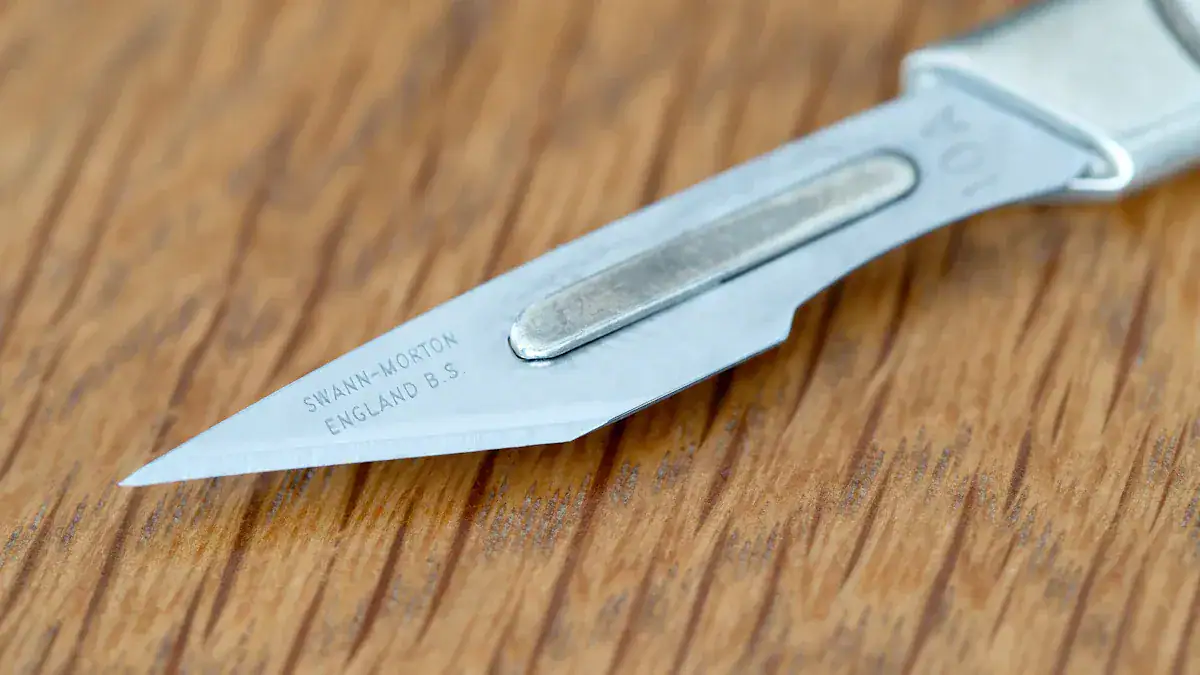
A sharp utility knife blade makes your cutting tasks easier. It also keeps you safe. You need a dependable utility knife for good work. Not all best utility knife blades are the same. Choosing the right replacement blade is very important. How do you pick the best utility knife for your needs? This guide helps you understand your options for a sharp utility knife.
Key Takeaways
Different blade materials like carbon steel, stainless steel, and ceramic have their own strengths and weaknesses.
Choosing the right blade type, such as standard, hook, or snap-off, helps you do specific jobs better.
A sharp blade is safer and works better than a dull one, so replace dull blades quickly.
Always check that your new blade fits your knife handle to ensure safe use.
Blade Materials
Choosing the right material for your utility knife is important. Different materials offer unique benefits and drawbacks. You need to understand these differences. This helps you pick the best blade for your tasks.
Carbon Steel
Carbon steel blades are a popular choice. They are known for their toughness. This makes them durable for hard tasks like chopping. You can also sharpen carbon steel easily. They often hold a sharp edge for longer periods. This means you do not need to sharpen them as often.
However, carbon steel has a downside. It rusts easily. Water and humidity can cause corrosion quickly. You must clean and maintain these regularly. Carbon steel can also chip or break under extreme pressure. It might even leave a metallic taste on food.
Stainless Steel
Stainless steel blades offer good corrosion resistance. They protect against moisture and rust better than carbon steel. This makes them a good choice for wet environments. Stainless steel is also less brittle. This means your blade is less likely to crack or shatter if you twist it.
However, stainless steel does not hold an edge as long as carbon steel. It dulls more quickly. You will need to sharpen it more often. Despite this, stainless steel is usually easier to sharpen.
Ceramic Blades
Ceramic blades are a modern option. They are incredibly sharp. You can grind them to a finer edge than steel. Ceramic blades also keep their sharpness for a very long time. They can stay sharp up to 10 times longer than steel blades, maintaining a superior edge. This is because ceramic is a harder material. Ceramic blades are also non-conductive and do not rust. They are lightweight and hygienic. However, ceramic blades are brittle.
They can chip or break if you drop them or twist them. Resharpening them is also difficult. You need special diamond sharpeners. Even with safety designs, ceramic blades can cause cuts. They are as sharp as metal blades. You must handle them with care.
Blade Types and Uses
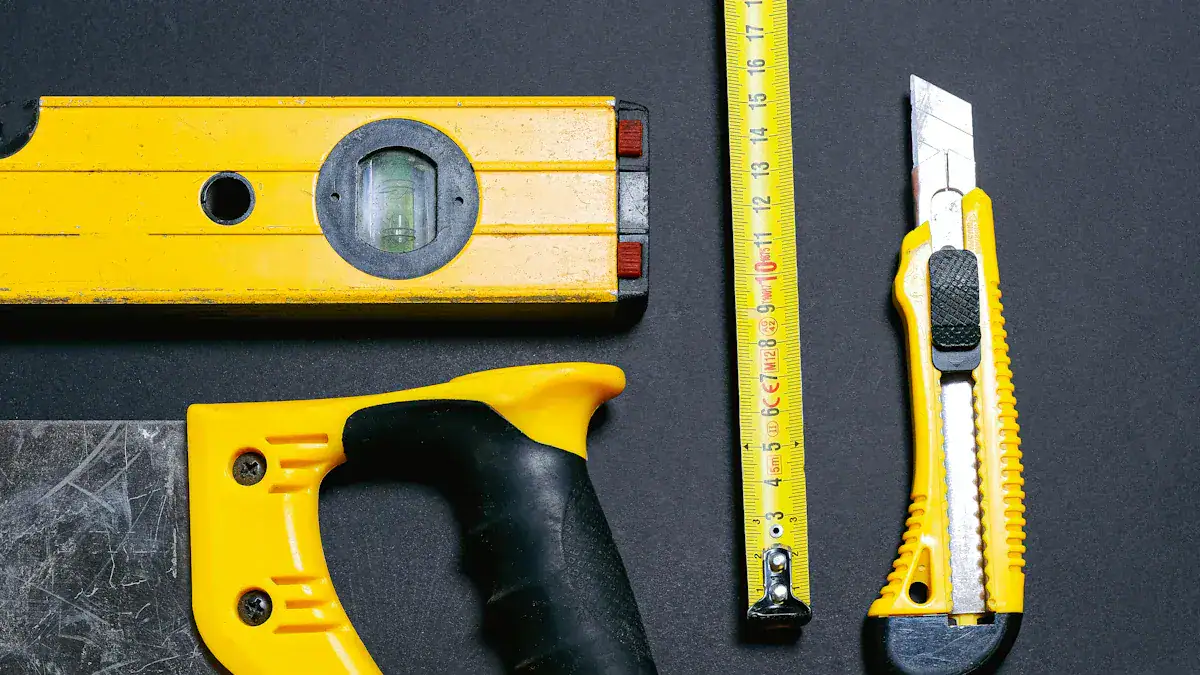
Utility knife blades come in many shapes. Each shape offers specific cutting capabilities. Understanding these types helps you choose the right blade for your job.
Standard Blades
Standard blades are common. They often have a trapezoid shape. You use them for many everyday tasks. Snap-off blades are a type of standard blade. You use them for cutting cardboard and paper. They also trim wallpaper or vinyl. You can use them for light-duty construction tasks.
They cut foam or insulation too. Rounded tip blades help you cut vinyl graphics or decals. They trim fabric or leather without making holes. You can open packages without damaging contents. They also cut foam or padding. Serrated blades are another standard type. You use them for cutting through heavy-duty plastic or rubber. They slice through metal or aluminum sheets. You can trim automotive hoses or belts. They also cut through thick rope or cord.
Hook Blades
Hook blades have a curved, hook-like design. This shape helps you cut specific materials easily. You use them for roofing materials. They are great for carpet. You can use them for many other jobsite materials.
They cut through materials that are hard to reach. They also cut materials needing a pulling motion, like linoleum or carpet. Hook blades are good for multi-layered surfaces. This includes roofing, flooring, and textile work. They make accurate surface cuts. They do not damage the material underneath.
Snap-Off Blades
Snap-off blades are very popular. They have segments. You can break off a dull part of the blade. This reveals a new, sharp edge. This feature is very helpful when you need a fresh edge. A sharp blade is excellent for many tasks. The long blade lets you extend past used areas.
This exposes a sharp edge. This design means you do not need to replace the entire blade often. It ensures continuous cutting. This saves you time. Stanley utility knife blades are known for their easy snap-off feature. They are good for scoring steel. For 9mm snap-off blades, consider Sollex 90P Blade PRO 9mm and Sollex 5190.
Specialty Blades
Many other blades exist for special jobs. These are specialty blades. They offer unique cutting capabilities.
Blade Type | Description | Unique Applications |
|---|---|---|
Scalpel Blades | These are ultra-sharp. They come in various shapes for surgical precision. | Medical procedures, fine arts, crafts, detailed cutting. |
Carbide Blades | They have carbide tips. This gives them great durability and sharpness. | Abrasive or hard materials like ceramics, glass, metals. |
Other specialty blades include concave blades for specific curves, long blades for extended reach, and safety blades with protected edges to prevent accidental cuts.
Choosing the Right Utility Knife Blade
Choosing the right utility knife blade helps you work better. You need to consider several important factors. These factors ensure you get the best performance from your tool.
Sharpness and Edge Retention
A sharp blade makes clean cuts. It also makes your work safer. Sharpness means how easily a blade cuts. Edge retention means how long a blade stays sharp. You want a blade that starts very sharp and stays sharp for a long time.
Experts measure sharpness and edge retention using special tests.
CATRA Test: This test measures how sharp a blade is and how well it resists wear.
First Cut Depth: This shows how sharp the blade is when new.
Total Cardstock Cut: This tells you how long the blade keeps its cutting power as it wears down.
BESS Test (Brubacher Edge Sharpness Scale): This test measures the force needed to cut a special filament. A lower number means a sharper edge. This test shows the blade’s initial sharpness. It does not tell you about edge retention.
ICP (Initial Cutting Performance): This measures the blade’s sharpness when new. It counts how many sheets of synthetic paper the blade cuts in the first three tries.
TCC (Total Card Cut): This is also called Cutting Edge Retention (CER). It measures how long the blade stays sharp. It counts the number of sheets cut over 60 cycles.
You want a blade with high ICP and TCC scores. This means it starts sharp and keeps its edge.
Durability and Longevity
A durable blade lasts a long time. It resists damage from daily use. Several things make a blade durable.
Hardness: This is how much the blade resists bending or changing shape. Harder blades usually keep their edge longer.
Toughness: This is how well the blade resists breaking or chipping. A tough blade can handle impacts without damage.
Wear Resistance: This is how well the blade resists wearing down from friction. A blade with good wear resistance lasts longer.
Corrosion Resistance: This is how well the blade resists rust and other environmental damage. This helps the blade stay strong.
Special elements in the blade material improve these qualities.
Chromium: This helps the blade resist rust.
Vanadium: This makes the steel finer. It helps the blade keep its edge better.
Molybdenum: This makes the blade tougher. It helps prevent chipping or cracking.
You must also take care of your blade. Clean it, sharpen it, and prevent rust. This makes your blade last longer.
Coatings and Features
Many best utility knife blades have special coatings. These coatings improve performance. They can make the blade harder or reduce friction. Some coatings also help prevent rust. For example, titanium nitride coatings make blades more durable. Ceramic coatings can make blades sharper and more resistant to wear.
Other features also matter. A strong blade hold mechanism keeps the blade secure. This improves safety and cutting precision. Some blades have unique shapes or geometries. The Infinity Blade has a special design and coating. Tests show it loses only 12% of its sharpness compared to other blades. This means it stays sharp longer. Look for these features when you choose a blade.
Compatibility
You must ensure your new utility knife blade fits your knife handle. Not all blades fit all knives. Many utility knives use standard blade sizes. However, some knives only work with specific blades.
2-Notch Utility Blades: These are very common. They fit most classic folding and fixed utility knives.
3-Notch Utility Blades: These blades have an extra notch in the middle. This notch helps them stay in certain knife handles better.
You must match the notch pattern to your knife handle. This ensures a proper fit and safe use. Most popular contractor knives use the 2-notch standard. Always check your knife manufacturer’s instructions. Some brands, like OLFA, Stanley, and Milwaukee, use their own blade sizes. You need to match these carefully. Always check the blade’s size and how it mounts. This ensures it works with your utility knife blade handle.
Top Choices of Utility Knives and Blades
You want the best utility knife for your projects. This means you need to know about the top choices of utility knives and their blades. You will find many options. Some offer premium materials. Others give you great value. Some even let you resharpen the blade.
Premium Blade Materials
Premium blades offer superior performance. They use advanced materials. These materials make the blade harder and more durable. Hardness helps the blade resist bending. It also keeps the blade from changing shape. Higher hardness values, like 58-65 on the Rockwell C scale (HRC), mean better edge retention. This means your blade stays sharp longer.
Carbide blades are a top choice for demanding tasks. They maintain sharpness much longer than steel blades. Carbide offers unmatched hardness and durability. This makes them perfect for high-wear jobs. You get high-quality results. Your tools work reliably. New ways to make carbide improve blade toughness. They also boost edge retention. Special coatings can make the blade last even longer. They also reduce friction.
Fiskars carbide blades are an example of high quality. They perform very well. However, they can be expensive. You might not want to use them for disposable tasks. Consider if the higher price is worth it for your specific needs.
Value and Performance
You need a good balance between cost and quality. Many brands offer excellent utility knife blades without a high price. You want blades that fit your utility knife. They must also do your tasks well. The brand name is less important than how the blade performs.
Some brands focus on value. Workpro offers bulk packs of blades. You can get 100 blades for about $10. This gives you many sharp blades for a low cost.
Other brands balance value with specific features:
Pacific Handy Cutter: They make durable utility knife blades. Their knives have good designs. They use innovative stainless steel blades.
Sheffield: This brand is known for strong utility knives. Their designs are also ergonomic.
Slice: They specialize in ceramic safety cutters. These blades are finger-friendly. They focus on safety and convenience.
When you buy in bulk, look for brands with a good reputation. They should offer quality blades that are not too expensive. You get good performance without overspending.
Resharpenable Options
Some utility knife blades let you resharpen them. This extends their life. It also saves you money. You do not need to buy new blades as often. Resharpening helps you maintain a very sharp edge.
OLFA utility knives are known for their durability. You can also resharpen their blades easily. This makes them a good choice for long-term use. You can keep your blade sharp with a little effort. This ensures you always have a reliable cutting tool. You get more use from each blade. This is a sustainable choice.
Utility Knife Blade Replacement
You need to know when and how to replace your utility knife blade. This keeps you safe. It also helps you work better.
Recognizing Dullness
A dull blade makes your work harder. It can also be dangerous. You need to know the signs of a dull blade.
Struggles With Basic Tasks: Your blade will have trouble cutting paper or soft items.
Uneven Cuts: You will see jagged edges on materials you cut.
Requires Extra Force: You will push harder than usual to make a cut.
The Fingernail Test: A dull blade slides off your fingernail easily. A sharp blade catches slightly.
When you notice these signs, it is time for a new blade.
Worn Blade Safety
Using a dull or worn blade is risky. It can cause injuries.
A dull blade needs more effort to cut.
A dull blade cuts unevenly. It can slip off your cutting path.
You have a higher chance of slipping and getting hurt. This happens because you push harder or the blade tears the material.
Always replace a dull blade quickly. This protects you.
Safe Replacement Steps
Replacing your utility knife blade safely is important. Follow these steps:
Wear Gloves: Protect your hands from cuts.
Retract the Blade: Push the old blade fully into the handle.
Open the Knife: Most utility knives have easy-to-change blades. You might press a button or slide a lever. Some have quick blade-changing systems.
Remove the Old Blade: Carefully take out the dull blade. Hold it by the dull edge.
Insert the New Blade: Put the new blade into the slot. Make sure it clicks into place.
Close the Knife: Secure the handle.
Dispose of Old Blades: Put old blades in a safe container. Use a blade dispenser or a thick plastic bottle. This prevents cuts to others.
You now understand blade materials, types, sharpness, and durability. A sharp blade makes your work safer and more efficient. It also improves the quality of your projects. Use this knowledge to choose the best utility knife blades for your needs. Investing in quality blades and timely replacements gives you a better cutting edge. Always maintain a keen edge on your tools. This ensures better craftsmanship and safety. A good edge makes all the difference.
FAQ
What is the main difference between carbon steel and stainless steel blades?
Carbon steel blades are very tough. They hold a sharp edge well. But, they rust easily. Stainless steel blades resist rust better. They are less brittle. However, they do not stay sharp as long as carbon steel.
What are snap-off blades used for?
Snap-off blades let you break off dull segments. This reveals a new, sharp edge. You use them for cutting cardboard, paper, or wallpaper. They are good for tasks needing a consistently sharp edge.
What does “edge retention” mean for a utility knife blade?
Edge retention tells you how long a blade stays sharp. A blade with good edge retention keeps its cutting power longer. This means you do not need to sharpen or replace it as often.
What are the risks of using a dull utility knife blade?
Using a dull blade is dangerous. You must push harder to cut. This increases the chance of slipping. A dull blade can cause uneven cuts. It can also lead to serious injuries.