
A basement floor drain is crucial for protecting your home. It prevents water damage and maintains a healthy basement environment. An astonishing 98% of basements in the U.S. suffer some level of water damage. These essential systems address common problems like minor leaks, appliance overflows, and groundwater seepage. Without them, you could face repair costs averaging $2,447. Understanding the various types of basement floor drains helps you choose the right solution for your specific needs.
Key Takeaways
Basement floor drains protect your home from water damage. They keep your basement dry and healthy.
Different types of drains solve different water problems. These include standard drains, French drains, channel drains, sump pumps, and backwater valves.
You must choose the right drain for your home. Consider your basement’s water issues and layout.
Regular cleaning and maintenance keep your drains working well. This prevents clogs and costly repairs.
Understanding Basement Floor Drains
What Are Basement Floor Drains
A basement floor drain is a vital part of your home’s plumbing. It is a crucial component for managing water. These basement floor drains prevent water from accumulating on your basement floor. They direct unwanted water away from your home’s foundation. A typical drain has a simple design. It includes key parts that work together.
Grill or Grate: This component sits at the top of the drain. It stops debris from entering the system. This keeps the pipes clear.
P-trap (Plumbing Trap): You find this beneath the grill. Its purpose is to block sewage gases. It keeps them from escaping into your basement area. This prevents unpleasant odors.
Importance of Basement Drains
You need a functional basement drainage system. Without one, water has no natural escape route. Your basement acts like a basin. Any water from internal sources, like pipes or appliances, or external sources, like groundwater runoff, will simply rise. It can potentially fill the entire space. This causes significant damage.
Consider these risks if you lack proper drainage:
Water damage from basement backups costs homeowners an average of $7,500 per incident.
Standing water creates an ideal environment for mold growth.
The EPA warns mold can develop within 24-48 hours in damp conditions. This leads to respiratory issues and other health concerns.
A good basement drainage system avoids structural damage. It prevents mold growth. It also reduces expensive restoration costs. Effective basement drainage systems protect your home from costly water damage. They keep your basement dry and healthy.
Common Types of Basement Floor Drains
Overview of Drain Styles
You will find many types of basement floor drains. Each type solves different water problems. Understanding these common types of basement floor drains helps you choose the best one for your home. You need to know the options available.
Here are some main types of basement floor drains you might encounter:
Standard Floor Drains: These are simple drains with a grate. They collect general spills and minor leaks. They send water to your sewer system or a sump pit.
French Drain Systems: These drains use a trench with gravel and a perforated pipe. They redirect groundwater away from your foundation. They are great for persistent moisture issues.
Channel/Trench Drains: These are long, narrow drains. They collect water from wider areas. You often see them along basement edges or in garages.
Sump Pump Systems: A sump pump works with a sump pit. Water flows into the pit. The pump then pushes the water out of your basement. This system is vital for flood prevention.
Backwater Valves: This special valve stops sewage or floodwater from backing up into your basement. It acts as a one-way gate.
Combination Drains: Sometimes, you need more than one solution. These systems combine different drain types for full protection.
Primary Functions of Drains
Basement floor drains do more than just move water. They perform several essential functions to protect your home and keep it dry. You rely on them for critical water management.
Here are the key roles these drains play:
Water Collection and Redirection: Drains collect water. They send it away before it soaks into walls or ruins your belongings. This stops mold from growing.
Flood Prevention: Drains capture surface water and groundwater. This prevents your basement from flooding.
Foundation Protection: Water expansion can turn small cracks into big problems. Drains protect your foundation by preventing this.
Hydrostatic Pressure Relief: Water pressure can push water through your basement walls or floor. Drains relieve this pressure. This stops water from entering your basement.
Handling Various Water Sources: Basement floor drains manage water from many places. This includes leaking water heaters, washing machine hoses, and even condensation from your HVAC system.
Meeting Building Codes: Many modern building codes require drains, especially near appliances that use water. This also makes your home more attractive to buyers and insurers.
Standard Floor Drain
Design and Operation
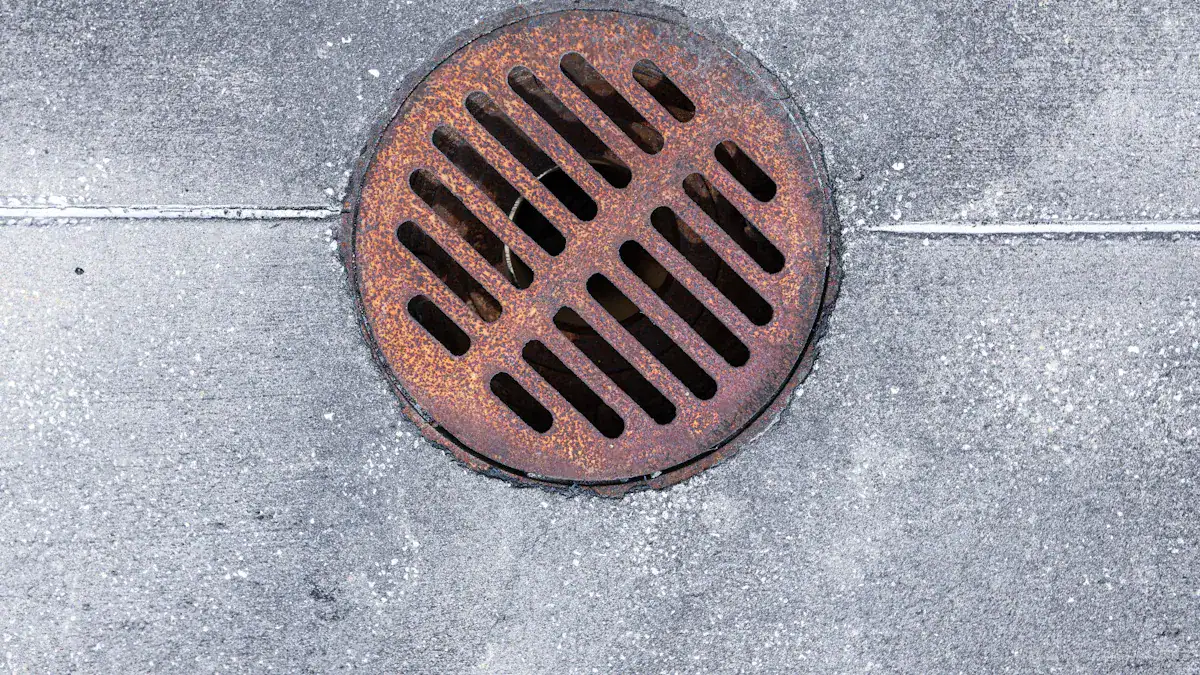
A standard floor drain, often called a traditional floor drain, is a common feature in many basements. You find it installed at the lowest point of your basement floor. This placement helps water flow naturally towards it. The design is simple yet effective. It includes a grate on top. This grate stops large debris from entering the system. Below the grate, a vertical pipe connects to your home’s drainage system.
You need careful attention to the floor slope. This directs water towards the drain. It prevents water from pooling in other areas. Installers securely anchor the drain body. They connect it to the pipe system using proper materials and joints. They also apply a waterproof sealant or caulk around the flange. This prevents leaks and ensures water only enters the drain. A robust waterproofing membrane or sealant around the drain forms a barrier. This stops water from getting into surrounding materials.
Ideal Uses
You use standard floor drains for general water collection. They handle minor spills, leaks from appliances, or small amounts of groundwater seepage. If your water heater leaks, or your washing machine overflows, this drain collects the water. It sends the water away before it causes damage. These drains are not for large-scale flooding. They manage everyday moisture issues.
Pros and Cons
Standard floor drains offer several advantages. They are simple to install and cost-effective. They act as a sanitary fixture. A trap seals away foul odors. This keeps your basement sanitary. The drain helps move unwanted water away. This prevents water damage from leaks or heavy rain. If you build a new house, these drains are standard. You do not pay extra for them.
However, these drains also have drawbacks. The trap can dry out if you rarely use the drain. This allows odors into your home. There is a risk of sewage backflow into your basement. This happens if you do not have a backwater valve installed. You cannot treat it like a garbage disposal. Shoving junk into it can cause blockages. This requires regular maintenance. Installing one in an existing home can be costly and difficult. It does not prevent water from leaking through basement walls.
French Drain System
How It Works
A french drain system is a subsurface drainage solution. It manages water around your home. This system uses a sloped trench. You fill this trench with gravel or rock. A perforated pipe sits at the bottom of the trench. The gravel acts as a filter. It stops soil from clogging the pipe. Water from the surrounding soil enters through small holes in the pipe. Gravity then moves this collected water. It flows along the angled trench and through the pipe. This channels water away from your property. A french drain effectively manages both surface water and groundwater. It prevents water accumulation and potential damage. You can also call this a curtain drain. A curtain drain works similarly to divert water.
Best Applications
You use a french drain for persistent moisture issues. It effectively handles hydrostatic pressure. This pressure pushes water through your basement walls or floor. A french drain system is excellent for preventing water damage. It stops water from sitting around your foundation. This prevents costly repairs. By reducing dampness, you also cut down the risk of mold and mildew growth. These thrive in wet places. A french drain is ideal for water accumulation from heavy rainfall and snowmelt. It diverts water away from your home. This prevents seepage. You also use it when your existing drainage is not enough. It helps with dampness, mold growth, and structural stability problems. A curtain drain is especially useful in older homes with recurring moisture issues.
Advantages and Limitations
A french drain offers many benefits. It reduces hydrostatic pressure on your foundation walls. It stops water from pooling around the foundation. This minimizes erosion and water infiltration. This system enhances your foundation’s longevity. It protects against moisture damage. A french drain is simple and reliable. It efficiently diverts water away from your home. This protects your foundation.
However, these systems also have drawbacks. Installation can be complex. It often requires extensive excavation and heavy equipment. This leads to high installation costs. It can disrupt your existing landscaping. You need periodic maintenance to prevent clogging. This can be difficult because the drain is buried. A curtain drain, like other french drains, needs proper grading to work well. It might not suit all landscaping preferences due to visible gravel.
Channel/Trench Drain
Structure and Function
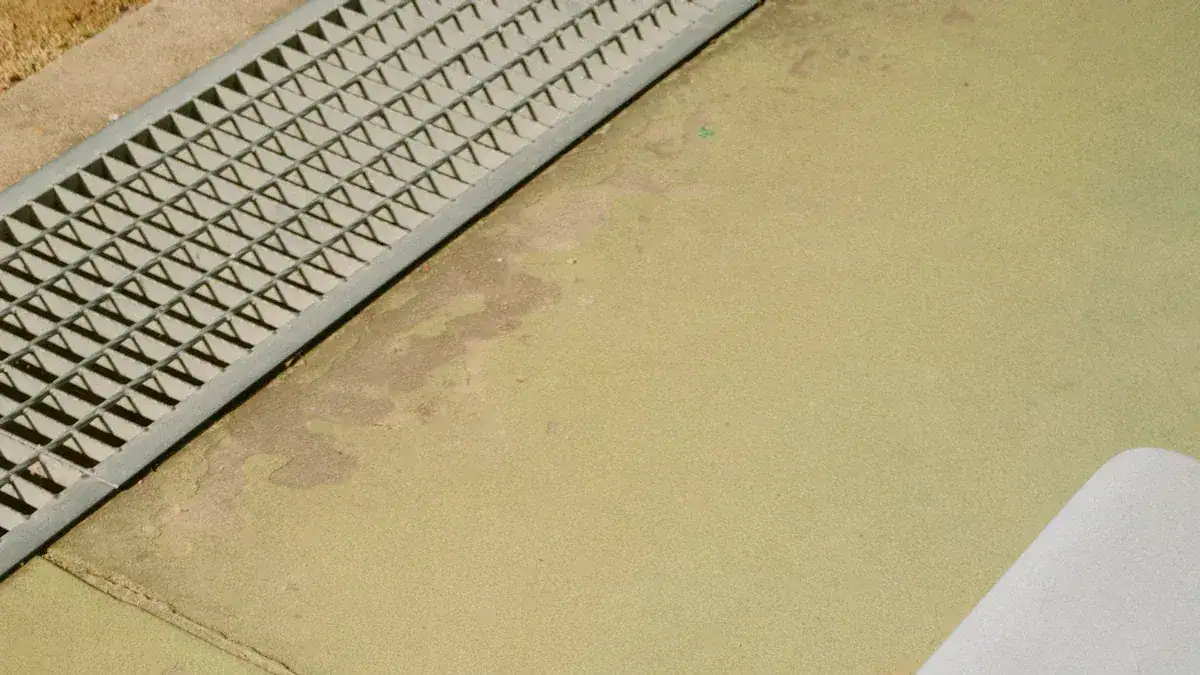
You use channel drains, also known as trench drains, for wider area water collection. These linear drains are ideal for basements, garages, or areas with significant water flow. A channel drain’s structure is designed for efficiency. It features a long grate that covers a sloped channel. This channel body is often made of durable materials like high-density polyethylene or PVC. It acts as a ‘riverbed’ for water. The channel is strategically positioned, often at the wall-floor joint, which is a primary entry point for water. It includes a wall flange with spacers that press against the foundation wall. This intercepts trickling water before it reaches the floor. Perforations or inlet holes allow water to enter the channel from various sources. Beneath the channel, you find drainage stone, typically 3/4″ clean stone, which acts as a natural filter. A vapor barrier also prevents moisture from rising through the concrete floor. Water enters through the channel’s perforations. It then follows a calculated slope, usually 2%, along the perimeter trench. This directs the water to a sump pit, where a pump automatically removes it from your home. This system creates a continuous sub-slab flow path, working with water’s natural movement to keep your basement dry. A properly designed channel drain system handles significant water volume, even during heavy rainfall, without being overwhelmed.
Optimal Placement
You place channel drains in areas where you expect a lot of water. They are excellent for larger basements or garages. You can install them inside the basement flooring to capture and remove water or moisture build-up. This is especially useful along walls where water might seep in. You can also place channel drains outside around the foundation. This prevents water from soaking through the soil and entering your basement. This dual placement offers comprehensive protection against water intrusion.
Benefits and Drawbacks
Channel drains offer several benefits. They control stormwater inflow from pavements, roads, parking lots, and rooftops. They reduce peak runoff rates by allowing water to escape to the drainage system. These systems are effective on slopes with a 5 percent tilt when you design and install them properly. Their high capacity makes them suitable for areas prone to significant water flow. You also have aesthetic options for the grates, allowing them to blend with your flooring. However, channel drains also have drawbacks. They can increase the flow of water to one area during torrential rains. This may increase soil erosion from soft slopes and gardens as water rushes to the drainage system. You must periodically remove debris and sediments for efficient operation, especially before heavy rains. Clogging with debris and sediments can stop the drainage system’s function. The installation process requires consistent water flow and no stoppages. This can make installation complex and potentially costly.
Sump Pump System
Components and Mechanism
A sump pump system actively protects your basement from water. It collects water and pumps it out. This system has several key parts. You will find a sump pit and sump pit (or basin) in your basement floor. This pit sits at the lowest point. It collects water from drain tiles, surface runoff, or groundwater. This pit acts as a reservoir. Inside the sump pit, you have the primary sump pump. This pump moves collected water out of your home. A float switch activates it when water reaches a certain level. You can have a submersible pump, which is quieter, or a pedestal pump, which is easier to service. A battery backup sump pump is also essential. It turns on if the primary pump fails or if the power goes out. This backup runs on deep-cycle batteries. It provides protection for hours or even days. Modern systems also include a sump pump monitoring system. This system gives you real-time updates and alerts on your phone. Finally, a discharge line carries the pumped water away from your home. A check valve in this line prevents water from flowing back into the sump pump with sump pit.
When a Sump Pump is Needed
You need a sump pump in specific situations to prevent water damage. Consider installing one if your home sits on a lot prone to flooding. If you have experienced basement flooding multiple times, a sump pump is crucial. You also need one if you have a finished basement and want to protect it from water damage. A sump pump is necessary when your property experiences heavy rainfall or rising groundwater. It acts as your primary defense against water intrusion.
System Advantages and Issues
A sump pump offers many advantages. It gives you peace of mind during heavy rains or snowmelt. It increases your home’s value, as potential buyers see it as a benefit. A dry basement allows you to use it as living space. This improves your quality of life. It also prevents mold and mildew growth, which reduces health issues. Some insurance companies offer lower premiums because a sump pump reduces water damage risk. It prevents basement flooding by quickly removing excess water. This protects your property and belongings. It also preserves your home’s foundation by preventing moisture buildup. However, sump pumps depend on power. You need a battery backup for power outages. They also require regular maintenance to ensure they work correctly.
Backwater Valve
Valve Operation
A backwater valve protects your basement from sewage or floodwater. It acts as a one-way gate. This device ensures water or sewage flows only in one direction: out of your house. It contains a flap. This flap allows water to exit your home’s drain pipes. It closes to stop any reverse flow of contaminated sewer water. This prevents it from re-entering your home. Backwater valves serve as a crucial defense against sewer backups. They close when they detect excessive pressure in the sewer line. This mechanism stops sewage from re-entering your home during heavy rains or system overloads. Some valves are normally open. Their hinged flapper rests open. It floats up and closes only when reverse flow occurs. Other valves are normally closed. Wastewater from your home pushes a hinged gate open to allow flow. If reverse flow occurs, the gate is already closed. This effectively stops sewage from backing up into your home.
Essential Situations
You need a backwater valve in critical situations. It safeguards your property. It helps you avoid plumbing emergencies. Local sewer lines can become overwhelmed by excess water. This happens during heavy rainfall or snowmelt. This can lead to sewage backing up into homes. This causes significant mess, health risks, and costly damage. A backwater valve is a crucial preventive measure. You should consider installing one if your property has a basement with floor drains, bathroom fixtures, or laundry facilities. Homes that have experienced sewer backup incidents also need this protection. Properties in low-lying areas or neighborhoods with known drainage challenges benefit greatly. Homes positioned downhill from the municipal sewer line connection also require this valve.
Protection and Upkeep
You must maintain your backwater valve for long-term functionality. Regular cleaning is crucial for proper functioning. It prevents water supply contamination. You should clean the backwater valve at least once a year. Inspect it after heavy rainstorms. Professional services offer expert assistance in backflow valve maintenance. They conduct thorough expert inspections of all valve components during each service visit. They check the relief valve, test cocks, and shut-off valves for proper operation. They also examine springs, seals, and check assemblies for wear or damage. They test the pressure differential between inlet and outlet sides. This ensures proper function. They document all findings. They recommend repairs or part replacements as needed.
Choosing the Right Basement Floor Drains
You need to choose the right basement floor drains to protect your home. This decision depends on your specific water problems and your basement’s unique characteristics. You must carefully assess your situation.
Assessing Water Problems
You must first understand your basement’s water issues. This helps you select the most effective drainage solution. You can identify problems through several diagnostic methods.
Visual Inspection: Look for clear signs of water. You might see damp patches, white deposits called efflorescence, or discoloration on walls. Mold growth, a spongy texture on materials, or peeling paint also indicate moisture. A musty odor often signals hidden dampness.
Moisture Mapping: Use a moisture meter. This tool measures the moisture content in different sections of your walls. It helps pinpoint exact problem areas.
Thermal Imaging: Employ thermal imaging technology. This detects temperature differences within your walls. Moist areas will show different temperatures than dry ones.
Professional Help: Seek expert evaluation. Professionals can accurately diagnose complex issues. They assess if you need moisture barriers or specific drainage solutions.
You should also observe specific conditions:
Damp or Moist Conditions: Notice higher humidity or dampness. This is common in masonry below ground. It can lead to mold or other issues.
Efflorescence: White deposits on interior walls clearly show moisture presence.
Wet Conditions: Look for limited areas of your basement floor that are regularly wet or have puddles.
Flood Conditions: Water extending over the entire floor, possibly reaching upper levels, indicates a severe flood problem.
Moisture Stains: The pattern and location of stains offer clues. Stains high on the wall suggest roof runoff. Low wall stains point to buried objects or local conditions.
External Clues: Observe foundation flood vents. These can indicate if your area is prone to flooding.
Selection Factors
You need to consider several factors when choosing basement floor drains. These factors ensure you pick the best system for your home.
Basement Layout: Think about your basement’s size and arrangement. This includes furniture and fixtures. Ensure the drainage system fits without obstruction. Larger basements with more water might need trench drains or sump pumps. Smaller basements could use traditional floor drains.
Water Management Needs: Evaluate how prone your home is to water intrusion. If you experience frequent heavy rainfall or past flooding, a robust system is crucial. Consider a trench drain or a sump pump.
Budget: Account for both initial installation costs and potential long-term savings. Preventing water damage and repairs saves you money.
Maintenance Requirements: Think about how much effort you want to put into cleaning and maintaining the drain. Some systems need more frequent attention than others.
Space and Application: Determine the type of liquids the drain will handle. This could be water, grease, or hazardous chemicals.
Material: Choose durable materials. Cast iron offers strength. Nickel bronze provides both function and aesthetics.
Ease of Maintenance: Look for designs with removable grates or filters. These simplify cleaning.
Stock Availability: Ensure your supplier provides high-quality materials for your specific needs.
Drainage Capacity: Select a drain that handles the expected water flow. Consider the area size, water usage frequency, and potential sources like washing machines.
Grate Design: Choose a grate style and finish that matches your application and decor. Options include square, round, or decorative grates. Finishes can be polished chrome or brushed nickel.
Trap Type: Decide between a P-trap or an integral trap. Base this on installation needs and local building codes. P-traps prevent sewer gases from entering your home.
Accessibility: Ensure the drain is easy to access for cleaning and maintenance. It should have a removable cover or grate for inspection and debris removal.
Basement Type: Consider if your basement is finished or unfinished. Finished basements require drains that blend with the decor.
Water Source: Identify if the drain needs to manage surface water, groundwater, or both.
Plumbing System: Verify if your current plumbing can handle the volume of water to be drained.
You must also consider local building codes. These regulations apply to basement drain installations. For example, many codes require a minimum of one approved two-inch floor drain for below-grade floor areas not exceeding 1,500 square feet. You need an additional two-inch floor drain for each additional 1,500 square feet or fraction thereof, up to a maximum of four two-inch floor drains. A three-inch drain can replace two two-inch drains. A four-inch floor drain can replace four two-inch floor drains. Floor plans must show the location of all new plumbing fixtures, including floor drains. All cleanouts, valves, shut-offs, and mechanical joints must be accessible. A plumbing permit is required for the installation of all elements and appliances associated with plumbing and gas piping systems.
Professional Guidance
You should consider professional guidance for complex situations. Professionals offer many benefits for selecting and installing basement floor drains.
Thorough Assessments: Professionals conduct detailed assessments. They identify water infiltration sources. They recommend effective solutions.
Foundation and Climate Considerations: They consider your foundation type, such as poured concrete, concrete block, or stone. This helps them determine appropriate drainage solutions. They also account for local climate and soil conditions. This includes high water tables or heavy rainfall. This helps them suggest robust drainage systems.
Expertise and Experience: Professional installation provides expertise and experience. This ensures accurate basement condition assessment and effective solutions.
Quality Materials and Techniques: Contractors use high-quality materials and advanced techniques. This leads to effective and long-lasting drainage.
Safety: Professionals are trained to safely handle tasks. This includes working in confined spaces and with hazardous materials.
Code Compliance: They know local building codes. They ensure your installation complies with all regulations.
Warranties: Professional services often include warranties. This provides assurance against future issues.
Custom Solutions: Professional installers possess the knowledge, skills, and experience to assess specific situations. They determine the most effective drainage system. They provide custom solutions tailored to unique basement issues. This ensures optimal performance.
Consulting professionals adds an extra layer of assurance. This ensures the long-term effectiveness of your drainage system.
Maintaining Your Basement Drains
You must maintain your basement’s drainage system. This ensures it works correctly. Regular care prevents costly repairs and keeps your basement dry.
Cleaning Practices
You must regularly clean your basement floor drains. This prevents clogs and ensures they work well. Follow these steps for proper maintenance:
Check your drain often for clogs or damage. Look for debris that might block water flow.
Remove dirt, leaves, hair, and other particles from around the drain.
Clean the drain’s grate or cover. Make sure it is free of obstructions for proper water flow.
Flush the drain with hot water every few months. This clears minor clogs. A baking soda and vinegar mixture also works.
Check the U-shaped drain trap. Make sure it is clear. This stops sewer gases from entering your basement.
Test your sump pump if you have one. Pour water into the sump pit to confirm it activates and drains. Clean the sump pump and pit annually. This prevents malfunctions.
Inspect backwater valves regularly. This ensures they prevent water from flowing back into your basement.
Consider annual professional plumbing inspections. They can find and fix issues you cannot.
Address slow draining or unusual odors quickly. This prevents bigger problems.
Clog Prevention
You can prevent clogs in your basement drains. Take these steps to keep them clear:
Fill traps often. Pour at least five gallons of water into floor drains monthly. This fills the P-trap. It prevents sewer gases and helps the drain work right. It also helps you find clogs early.
Clear clogs immediately. Address slow-draining floor drains right away. You can often clear minor clogs with a plunger, a baking soda and vinegar solution, a wet/dry vacuum, or a drain auger.
Clean routinely. Check floor drains for debris at least every three months. Remove the drain cover to clear visible debris. Pour hot (not boiling) water down the drain. Use a safe liquid drain cleaner or a baking soda and vinegar mixture. Scrub the drain cover before replacing it.
Install a mesh lint trap on your washing machine’s discharge hose. This prevents lint and fabric bits from clogging the drain. Check and replace it regularly.
Avoid pouring grease, oil, coffee grounds, and other food waste down the drain. Use strainers or drain guards to catch debris.
Seasonal Inspections
You should perform seasonal inspections of your drainage system. This helps you catch problems early.
Examine the exterior of your home. Look for water damage, cracks, improper grading, and broken gutters.
Clear and water test existing drainage features. This includes window well and stairwell drains.
Assess your basement’s drainage system. Ensure it diverts water effectively.
Flush and water test the drainage system. Use clean-out ports or flushing devices if possible.
Promptly address any drainage problems. This prevents excess moisture around your foundation. Maintain gutters and downspouts for proper drainage. Seek professional help if issues continue. Effective drainage systems stop water from pooling and seeping into your foundation.
You have learned about many basement floor drain types. These include standard drains, French drains, channel drains, sump pump systems, and backwater valves. Each drain protects your home from water damage. Proper drainage is vital. It safeguards your investment and keeps your basement dry. Assess your specific needs. Consider professional advice for installation and maintenance. Take action today for a drier, safer basement. 🏡
FAQ
What is the primary function of a basement floor drain?
A basement floor drain collects unwanted water. It directs this water away from your basement. This prevents flooding and water damage. It also helps keep your basement dry and healthy.
What types of water do basement drains manage?
Basement drains manage various water sources. They handle minor leaks from appliances. They also collect water from spills. Some systems manage groundwater seepage or heavy rainfall. This protects your home from different water threats.
What is the difference between a standard floor drain and a French drain?
A standard floor drain collects surface water from your basement floor. It sends this water to your sewer system. A French drain is a subsurface system. It uses perforated pipes to collect and redirect groundwater away from your foundation.
What happens if you do not maintain your basement drain?
If you do not maintain your basement drain, clogs can form. This stops water from draining properly. It can lead to basement flooding and water damage. Lack of maintenance also allows sewer gases into your home.
What is a backwater valve?
A backwater valve is a one-way device. It lets water flow out of your home’s pipes. It closes to stop sewage or floodwater from backing up into your basement. This protects your home from sewer backups.