

You want reliable flashing that fits your roof and climate, so pick products rated for UV, temperature swings, and compatible metals. Try BXI fluorocarbon self‑adhesive tape for long anti‑aging seals, Flashers #3 EPDM boots for 1/4″–5″ pipes, the Metal Roof Vent Kit for corrugated panels, Therwen 5×7″ aluminum pieces for trims, Oatey No‑Calk galvanized solar flashing for conduit, or a 12″×50′ 26‑ga aluminum roll for long runs — keep going and you’ll find fit, material, and installation tips.
| BXI Fluorocarbon Asphalt Waterproof Self-Adhesive Tape |
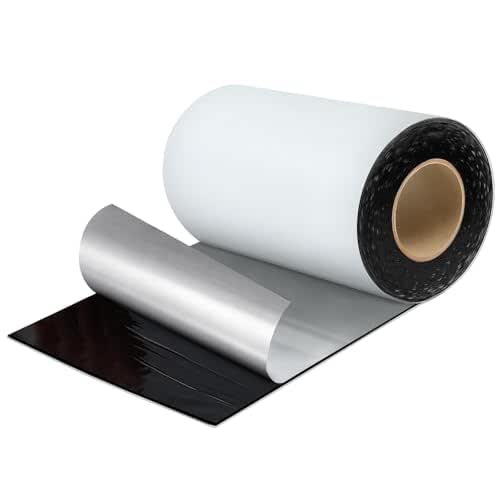
| Weatherproof Performer | Material: SBS-modified rubber asphalt + PVDF (fluorocarbon) film | Temperature Range / Heat Performance: -4°F to 158°F (-20°C to 70°C) | Weather Resistance / Durability: UV, corrosion, flame, weather resistant; PVDF anti-aging up to 20 years | VIEW LATEST PRICE | Read Our Analysis |
| Flashers #3 Black EPDM Round Roof Pipe Flashing |

| Made in USA | Material: EPDM rubber (black) + aluminum base ring | Temperature Range / Heat Performance: -65°F to +250°F | Weather Resistance / Durability: Flexible, resists cracking; durable for roof penetrations | VIEW LATEST PRICE | Read Our Analysis |
| Metal Roof Vent Flashing Kit with EPDM Roof Jacks |

| Best for Metal Roofs | Material: EPDM rubber sleeve + aluminum base | Temperature Range / Heat Performance: -65°F to +250°F | Weather Resistance / Durability: Flexible, durable, reliable for roofing use | VIEW LATEST PRICE | Read Our Analysis |
| Therwen Aluminum Roof Flashing Sheets 5×7 Inch (20-Pack) |

| Small Repair Pack | Material: Aluminum sheet | Temperature Range / Heat Performance: Not explicitly rated; aluminum suitable for outdoor weathering (implied wide range) | Weather Resistance / Durability: Waterproof, strong; may darken but function unaffected | VIEW LATEST PRICE | Read Our Analysis |
| Oatey No-Calk Galvanized Solar Roof Flashing (9″x12.5″) |
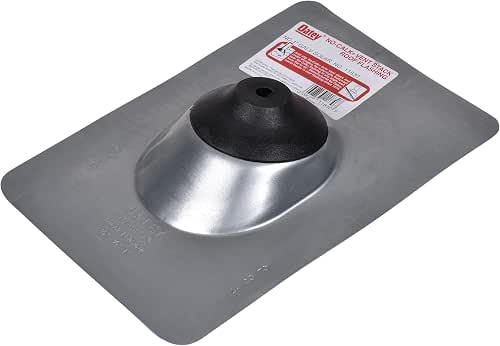
| Solar-Ready Fit | Material: Galvanized steel (stamped) | Temperature Range / Heat Performance: Continuous heat rating 180°F | Weather Resistance / Durability: Rustproof galvanized construction for roof use | VIEW LATEST PRICE | Read Our Analysis |
| Aluminum Roll Flashing 12″ x 50′ (26GA) |

| Heavy-Duty Roll | Material: Aluminum (26 GA roll) | Temperature Range / Heat Performance: Engineered for temperature changes; long-term exterior use (implied high durability) | Weather Resistance / Durability: Rust-resistant, anti-corrosion; lifespan >20 years | VIEW LATEST PRICE | Read Our Analysis |
More Details on Our Top Picks
BXI Fluorocarbon Asphalt Waterproof Self-Adhesive Tape
Should you need a durable, weather-resistant flashing that sticks to almost any surface, the BXI Fluorocarbon Asphalt Waterproof Self‑Adhesive Tape is built for that job. You’ll get a 12″ x 32′ roll with PVDF fluorocarbon film over SBS-modified bitumen, offering UV, corrosion, flame, and weather resistance plus up to 20 years anti-aging. It’s flexible for thermal movement, resists tears and punctures, and the bitumen layer self-heals minor damage. Apply on cleaned, dry surfaces—metal, wood, concrete, shingles—and press firmly; warm in cold weather for best adhesion. Store cool and dry; manufacturer warranty applies.
- Material:SBS-modified rubber asphalt + PVDF (fluorocarbon) film
- Temperature Range / Heat Performance:-4°F to 158°F (-20°C to 70°C)
- Weather Resistance / Durability:UV, corrosion, flame, weather resistant; PVDF anti-aging up to 20 years
- Installation / Application Fit:Self-adhesive peel-and-stick; trims with knife/scissors; conforms to corners
- Compatible Surfaces / Uses:Metal, wood, concrete, plastic, rubber, glass, stone, vinyl, ceramic, cardboard; roofs, gutters, chimneys, RVs, planters
- Trim / Cut-to-Fit Capability:Can be trimmed with knife or scissors for corners/curves
- Additional Feature:Reflective white PVDF finish
- Additional Feature:Self-healing bitumen layer
- Additional Feature:Long anti-aging life
Flashers #3 Black EPDM Round Roof Pipe Flashing
Choose the #3 Black EPDM Round Roof Pipe Flashing whenever you need a simple, durable solution for metal roofing penetrations—it’s made in the USA, fits pipes from 1/4″ to 5″, and its flexible EPDM cone handles temperature swings from -65°F to +250°F without cracking. You’ll appreciate the marked cone in inches and millimeters so you can trim accurately with tin snips or scissors. The heavy rubber fold and aluminum base ring conform to any roof pitch or metal profile, and the EPDM resists cracking, expansion, contraction, and vibration. No special tools are needed; install this black flexible roof jack for reliable, long-lasting seals.
- Material:EPDM rubber (black) + aluminum base ring
- Temperature Range / Heat Performance:-65°F to +250°F
- Weather Resistance / Durability:Flexible, resists cracking; durable for roof penetrations
- Installation / Application Fit:No special tools; cone trimmed with tin snips/scissors; adapts to roof pitch/profiles
- Compatible Surfaces / Uses:Metal roofing penetrations; pipe flashings for vents, exhausts
- Trim / Cut-to-Fit Capability:Rubber cone customizable with tin snips or scissors
- Additional Feature:Made in USA
- Additional Feature:Fits 1/4″–5″ pipes
- Additional Feature:No special tools
Metal Roof Vent Flashing Kit with EPDM Roof Jacks
Provided you need a straightforward, all-in-one vent flashing for corrugated metal roofs, this Metal Roof Vent Flashing Kit with EPDM roof jacks is built for DIYers and contractors who want quick, reliable pipe seals without custom fabrication. You get four EPDM roof jacks, an aluminum square base, 60 screws, an 8 mm hex bit, and scissors. The rubber sleeves trim to fit pipes from 1/4″ to 5-3/4″, handling chimneys, exhausts, wood stoves, and pipe openings. Rated -65°F to 250°F, the flexible, durable kit measures 8×8×4 inches, weighs 3.27 lb, and installs easily on corrugated profiles.
- Material:EPDM rubber sleeve + aluminum base
- Temperature Range / Heat Performance:-65°F to +250°F
- Weather Resistance / Durability:Flexible, durable, reliable for roofing use
- Installation / Application Fit:Includes screws, hex bit, scissors; rubber sleeve cut to fit; fits corrugated roofs
- Compatible Surfaces / Uses:Corrugated roofs, chimneys, exhaust vents, wood stoves, pipes
- Trim / Cut-to-Fit Capability:Rubber sleeve easily cut to required size with provided scissors/tin snips
- Additional Feature:Includes 4 roof jacks
- Additional Feature:Comes with screws/bit
- Additional Feature:Square base for corrugation
Therwen Aluminum Roof Flashing Sheets 5×7 Inch (20-Pack)
In case you need compact, durable flashing for small roof details, Therwen’s 20-pack of 5×7-inch aluminum sheets delivers a ready supply you can trim and fasten as needed. You’ll get twenty silver, 5×7-inch aluminum pieces that resist water, odor, and wear; they’re light (about 10.5 oz total per pack) and useful around chimneys, skylights, sheds, or as rodent and bird barriers. Cut with tin snips and attach with nails, screws, or adhesive tape depending on surface. The aluminum might darken after extended rain without losing function; replace whenever cosmetic wear or damage compromises performance.
- Material:Aluminum sheet
- Temperature Range / Heat Performance:Not explicitly rated; aluminum suitable for outdoor weathering (implied wide range)
- Weather Resistance / Durability:Waterproof, strong; may darken but function unaffected
- Installation / Application Fit:Trim to size with tin snips; attach with nails/screws/adhesive
- Compatible Surfaces / Uses:Chimneys, skylights, shed flashing, rodent/bird deterrent, general weatherproofing
- Trim / Cut-to-Fit Capability:Trim to size using tin snips
- Additional Feature:20-piece pack
- Additional Feature:Small trim-to-size pieces
- Additional Feature:Multi-purpose deterrent use
Oatey No-Calk Galvanized Solar Roof Flashing (9″x12.5″)
In case you need a low-profile, rustproof flashing that slips over small solar conduit or vent pipes, the Oatey No-Calk Galvanized Solar Roof Flashing is built for the job. You’ll get a stamped galvanized-steel flashing (24 or 28 gauge) with a 9″ x 12.5″ base that fits 0.5″–1″ pipe diameters; an 18″ x 18″ base is available where code requires. The non-fading sealing collar slides over the pipe, and the unit handles roof pitches up to 40 degrees with a continuous heat rating of 180°F. Use it for solar or general roof flashing whenever you want a simple, durable solution.
- Material:Galvanized steel (stamped)
- Temperature Range / Heat Performance:Continuous heat rating 180°F
- Weather Resistance / Durability:Rustproof galvanized construction for roof use
- Installation / Application Fit:Slides over DWV pipe; fits up to 40° roof pitch; simple slide-on installation
- Compatible Surfaces / Uses:Solar installations, DWV pipe flashing, general roof flashing
- Trim / Cut-to-Fit Capability:Collar slides over pipe size range (fits specified diameters); larger base options available (no cutting required)
- Additional Feature:Slides over DWV pipe
- Additional Feature:Code-size 18″x18″ option
- Additional Feature:Rated to 180°F continuous
Aluminum Roll Flashing 12″ x 50′ (26GA)
Should you need a lightweight, long-lasting flashing that’s easy to cut and shape on site, the Aluminum Roll Flashing 12″ x 50′ (26GA) is a solid choice — it’s rust-resistant, only 0.019 in (26 GA) thick, and built to withstand wind, temperature swings, and humidity for decades. You’ll get a 12″ x 50′ roll weighing 8.38 lbs with a smooth polished finish that resists corrosion and prevents stains, moss, and mildew. It’s flexible for roofing, garden projects, and DIY work, resists warping under pressure, and comes with seller warranty details plus a voluntary 30-day return policy.
- Material:Aluminum (26 GA roll)
- Temperature Range / Heat Performance:Engineered for temperature changes; long-term exterior use (implied high durability)
- Weather Resistance / Durability:Rust-resistant, anti-corrosion; lifespan >20 years
- Installation / Application Fit:Roll material cut and shaped as needed; used for flashing/trim applications
- Compatible Surfaces / Uses:Roof flashing, walls, garden projects, general home improvement, metal roofing
- Trim / Cut-to-Fit Capability:Roll flashing can be cut to needed width/length for custom fit
- Additional Feature:50-foot continuous roll
- Additional Feature:26 gauge (0.019″) thickness
- Additional Feature:Available multiple widths
Factors to Consider When Choosing Roof Flashings
When choosing roof flashings, you should match material compatibility with your roofing and fasteners to prevent galvanic corrosion. Check weather resistance ratings and temperature performance range so the flashing holds up in your climate, and consider the seal and adhesive type for a watertight bond. Also consider installation ease and required tools to keep labor time and mistakes down.
Material Compatibility
Because different metals, membranes, and coatings react differently to each other and to the environment, you’ll want to match flashing materials to the roof and penetrations and account for thermal movement, chemical exposure, and fastening/adhesion methods to avoid corrosion, seal failure, or detachment. Use like-with-like metals or add non-conductive barriers whenever joining dissimilar metals to prevent galvanic corrosion. Check thermal expansion rates so flashing moves with the substrate; mismatched movement breaks seals. Pick materials rated for your temperature range and UV exposure—EPDM, PVC, metals, and bitumen perform differently in heat or cold. Factor local chemical exposures such as salt spray or rooftop exhaust and choose corrosion-resistant options. Finally, confirm adhesive or mechanical fastening is appropriate for the substrate’s porosity and the flashing material for a durable watertight bond.
Weather Resistance Rating
In case you want flashings that actually last, check their weather‑resistance ratings against the real conditions they’ll face: confirm continuous service temperature ranges to prevent cracking or softening in extreme cold or heat, verify UV and long‑term weathering performance so sunlight won’t prematurely degrade the material, and review impermeability and adhesion specs to resist wind‑driven rain and ponding. You should also confirm chemical and corrosion resistance provided flashings will contact pollutants, salt spray, or metal fasteners, since incompatibility causes breakdown or staining. For areas near chimneys, vents, or solar arrays, check flame and high‑temperature resistance ratings so intermittent heat won’t compromise seals. Pick materials whose rated service life and tested exposure limits match your site’s climate and hazards.
Temperature Performance Range
Having checked weather‑resistance ratings, next focus on a flashing’s temperature performance range so it will stay watertight across your site’s hottest and coldest conditions. Pick materials with continuous service ratings that comfortably exceed your local extremes — when winters hit −20°F or summers 150°F, choose flashings rated beyond those points. Check thermal expansion and contraction behavior: repeated cycling can stress seals and fasteners, causing gaps or buckling. Verify low‑temperature flexibility to avoid cracking and high‑temperature resilience to prevent softening. Account for raised local surface temperatures from dark finishes or nearby equipment, ensuring adhesives and substrates remain stable. Finally, prioritize materials with proven aging resistance under those temperature cycles so UV and heat don’t shorten service life.
Installation Ease And Tools
Start through matching the flashing to your roof profile and materials so installation only needs common tools—utility knife, tin snips, drill/driver, and a caulk gun—rather than specialty equipment. Pick flashings with pre-drilled holes or integrated fastening flanges to speed installation and cut measuring and custom drilling. Choose flexible materials or split/conical designs that trim to various pipe diameters and pitches, reducing complex fitting. Prefer units that include installation hardware, templates, or clear cold-weather handling instructions so you aren’t making last-minute tool runs or guessing about warming adhesives. Should a flashing have an adhesive or self-sealing collar, it can lower the number of fasteners and simplify waterproofing steps. Check manufacturer guidance so you’ll have the right tools and prep before you start.
Seal And Adhesive Type
Pick sealants and adhesives that match the materials and climate you’ll be working with, because the right chemistry and performance range determine whether a flashing stays watertight over time. Choose products rated for your roof’s temperature extremes—many EPDM-compatible adhesives and butyl mastics remain elastic from about -65°F to +250°F. Match chemistry to substrate: use bitumen-based adhesives for asphalt/SBS, butyl or polymer-based for metal and PVC, and EPDM-specific adhesives for rubber boots. Prefer formulations with proven UV and weather resistance and documented service life to avoid premature failure. Consider format and conditions: self-adhesive tapes need clean, dry, warm surfaces; liquid sealants require cure time and sometimes primers. Check elasticity, elongation, and tear resistance so joints handle thermal movement without splitting.
Size And Fit Options
As you’re choosing flashings, size and fit matter as much as material—measure the penetration outer diameter and the roof profile (corrugation spacing or shingle exposure) so the collar or boot will sit flat and cover the gap. Match the flashing’s OD range or plan to trim a compatible boot; many list ranges like 1/4″–5″. Check base dimensions and shape (round, square, tapered) against your roof opening so the flange fully covers the gap and allows fastening—bases commonly run from about 5×7 to 9×12+. Confirm flange thickness and flexibility suit your roof pitch so the flashing conforms without gaps. Verify vertical height and cone length for roof thickness plus overlays. For adhesive or roll flashings, confirm roll or tape width and length to limit joints and suit your trim tools.
Longevity And Warranty
Size and fit determine how a flashing performs on day one, but longevity and warranty tell you how it will behave over years of weather and use. You should pick materials rated for your climate—metals with multi‑decade outdoor ratings or elastomers rated roughly -65°F to +250°F—and compare manufacturer lifespans, favoring anti‑aging and UV‑stable options. Verify warranty details: what’s covered (material defects, environmental failure, labor or replacement) and how long coverage lasts so you know potential out‑of‑pocket costs. Check mechanical durability—tear and puncture resistance, flexibility for thermal movement, adhesion longevity—against expected stresses like wind uplift, thermal cycling, and foot traffic. Finally, consider maintenance needs and typical degradation modes (corrosion, UV embrittlement, adhesive breakdown) and choose products with clear replacement guidance.
