

Do you see an old metal desk and imagine its hidden potential? You’re onto something great!
Three out of four homeowners love DIY projects. In fact, 73% of Millennials are DIYers. You can save 60% or more compared to buying new furniture. A Metal Desk Makeover often costs just $50-$200 for materials. This guide shows you how to transform your forgotten piece into a personalized, functional, and beautiful workspace. Get ready to create your dream!
Key Takeaways
Transforming an old metal desk saves money and helps the environment. Metal desks are strong and can be styled in many ways.
Plan your desk makeover carefully. Think about how you will use the desk and what style you like. This helps create a workspace you will love.
Gather all tools and materials before you start. This includes safety gear, cleaning supplies, sandpaper, primer, and paint. Proper preparation makes the project easier.
Follow steps like disassembling, cleaning, sanding, and priming. Then, paint the metal frame and refinish the desktop. Add new hardware for a fresh look.
Personalize your new desk with good organization, proper lighting, and decorations. Set it up ergonomically for comfort. This makes your workspace truly yours.
Why a Metal Desk Makeover?
You might wonder why a metal desk is the perfect choice for your next DIY project. Metal desks offer many great advantages. They are strong, affordable, and good for the planet. You can also make them look exactly how you want.
Durable Metal Furniture
Metal furniture is incredibly tough. It can handle daily use without a problem. Think about it: metal desks are often found in offices or schools because they last a long time. They resist dents and scratches better than many other materials. This means your transformed desk will serve you well for years.
Material | Lifespan/Durability Characteristics |
|---|---|
Metal Furniture | Dependable strength, well-suited for high-use areas. Stainless steel is renowned for longevity and durability, resisting rust with protective coatings. Holds up well under constant use, low maintenance, and reduces replacement needs. |
Wood Furniture | Lifespan varies; hardwoods (oak, teak) can last for decades with proper care. Softer woods wear out faster. |
Rotomolded Furniture | Exceptional durability and longevity due to seamless design. Resists damage from moisture, sun, and temperature swings. |
General Plastic Furniture | Typically has a relatively short lifespan. |
Cost-Effective Desk Sourcing
Finding an old metal desk is often very cheap. You can find them at thrift stores, garage sales, or even online marketplaces. Sometimes, people give them away for free! This makes your Metal Desk Makeover project super budget-friendly. You save money you can use for other things.
Versatile Design Styles
Metal desks are like a blank canvas. You can paint them any color. You can add new tops or hardware. They fit into many styles, from industrial to modern, or even a fun, funky look. Your creativity has no limits here.
Sustainable Upcycling
Giving an old desk new life is also great for the environment. Upcycling furniture helps reduce waste. It keeps items out of landfills. You also save natural resources. When you repurpose existing materials, you lower the demand for new wood or metals. This process also uses less energy. It cuts down on greenhouse gas emissions from making new products. You help create a more sustainable world.
Planning Your Desk Makeover Vision
You are ready to transform your old metal desk. First, you need a clear vision. Think about how you will use your desk. Imagine its new look. This planning stage is fun. It helps you create a workspace you love.
Assess Workspace Needs
Think about what you do at your desk. Do you write? Do you use a computer? How much space do you need? Consider ergonomics too. A comfortable setup prevents strain.
Monitor Height: Your eyes should look at the top third of your screen. Or look slightly below it. This helps you avoid tilting your neck. You can use monitor stands for this.
Monitor Distance: Keep your monitor about an arm’s length away. Larger screens need more distance. This keeps your head in a good position.
Screen Size | Optimal Distance | Eye Level Position | Viewing Angle |
|---|---|---|---|
21 inches | 20-28 inches | Top of screen at or slightly below eye level | 15-20 degrees below horizontal |
24 inches | 24-32 inches | Top of screen at or slightly below eye level | 15-20 degrees below horizontal |
27 inches | 28-36 inches | Top of screen at or slightly below eye level | 15-20 degrees below horizontal |
32 inches | 32-40 inches | Top of screen at or slightly below eye level | 15-20 degrees below horizontal |
Gather Design Inspiration
Look for ideas everywhere. Browse online. Check out magazines. Pinterest and Instagram are great places. You might like an industrial look. Maybe a modern style fits you. A vintage vibe could be perfect. Or perhaps you want a funky office space. Collect pictures you like.
Select Style and Color
Now, pick your style. Do you want sleek and minimalist? Or bold and colorful? Choose colors that make you feel good. Light colors make a space feel bigger. Dark colors add drama. Your color choice sets the mood for your Metal Desk Makeover.
Choose Hardware and Accents
Small details make a big difference. New drawer pulls can change the whole look. Think about adding new feet or casters. These choices tie your design together. They add personality to your desk.
Essential Tools and Materials
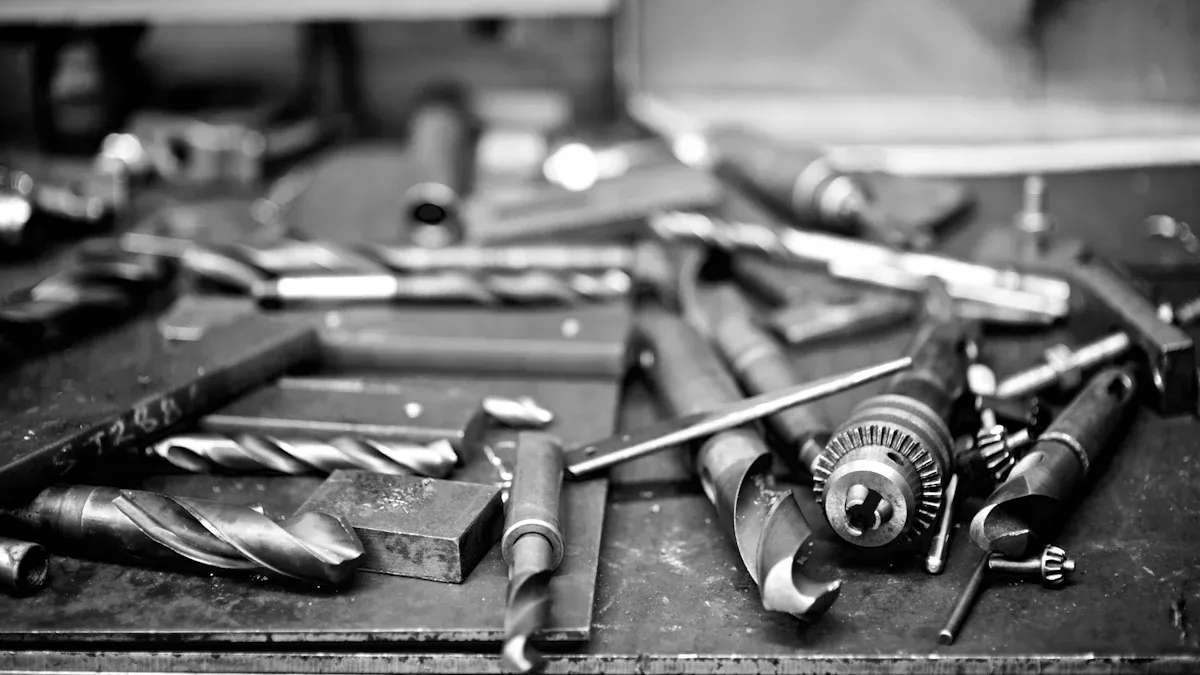
You are ready to start your metal desk makeover. First, gather your tools and materials. Having everything ready makes the process smooth.
Safety Gear First
Your safety is important. Always protect yourself when working on DIY projects. You will be sanding and painting. Wear the right gear.
Respirators protect your lungs from dust and paint fumes. Look for N- or P-rated filters.
Eye protection like safety glasses or goggles keeps harmful stuff out of your eyes. Make sure they are ANSI Z87.1+ rated.
Foot protection with anti-slip soles guards against spills and sharp objects.
Protective clothing covers your body from chemicals and paint.
Ear protection prevents hearing damage from loud noises.
Gloves shield your hands from cuts and chemicals.
Cleaning Supplies
Your desk needs a good cleaning. You want to remove all the dirt and grime.
For grime: Mix baking soda with water to make a paste. Scrub it on grimy spots. Rinse it well.
For rust: Apply white vinegar to rusty areas. Let it sit for a few minutes. Gently scrub with steel wool. For tough rust, use a commercial rust remover. Always rinse thoroughly.
For general cleaning: A 50-50 mix of distilled white vinegar and water works for most tarnished metals. You can also use liquid dish soap and warm water.
Sanding and Priming
Sanding prepares the surface. Priming helps the paint stick.
Grit Range | Purpose | Stage of Preparation |
|---|---|---|
40-80 | Removes large material, rust | Initial sanding, fixes big flaws |
100-150 | Smooths rough surfaces | Overall sanding, before final coats |
180-320 | Removes minor scratches | Before final finish, creates smooth surface |
Use aluminum oxide sandpaper for softer metals like aluminum. Choose silicon carbide sandpaper for hard metals like stainless steel. Ceramic sandpaper works best for heavy-duty metal removal.
Why prime? Primer does a lot for your desk.
It improves adhesion. Paint sticks better to primer.
It offers corrosion resistance. Primer protects metal from rust.
It smoothes the surface. Primer fills small flaws.
It provides a neutral color base. This makes your topcoat color look its best.
Paint and Finishes
Choose the right paint for a lasting finish.
For durability: Consider ultra-cover spray paint or epoxy paint. Acrylic resin-based enamel paint works well for outdoor metal furniture.
For adhesion: Use an oil-based primer or a self-etching primer.
Optional Desktop Elements
You might want to change your desktop. You have options.
You can resurface with white plastic laminate (HPL).
You can refinish a wood desk by removing the old finish and staining it.
Some desks have wood veneer or linoleum tops. You can replace these with something new.
Step-by-Step Desk Transformation
You have a vision for your desk. Now, let’s make it real! This part guides you through each step. You will transform your old metal desk into a beautiful workspace.
Disassemble and Clean
First, you need to take your desk apart. This helps you clean and paint every part. You also avoid damaging anything.
Empty the desk: Take out all your office supplies, papers, and electronics. Put them in boxes. This keeps them organized.
Remove the desk drawers: Pull the drawers out all the way. Then, lift them up to unhook them from their tracks. Put any small parts, like handles, into labeled bags.
Unscrew the desk: Start by unscrewing the top. Then, work your way down. If you have the instruction manual, use it. You can also look for manuals online.
Separate the pieces: Gently pull the desk parts apart after you unscrew them. Do not force anything. Forcing parts can cause damage. Decide which big sections you can keep together for moving.
Organize screws and small parts: Put all screws, bolts, and small pieces into separate, labeled bags. For example, label one bag “top screws” and another “drawer handles.”
Tape larger items together: Use tape to secure bigger parts like support beams or legs. This stops them from getting lost. You can also tape the bags of screws to their matching parts.
Tip: To properly disassemble a metal desk without causing damage, stay organized. Take your time. Reversing the original assembly instructions can make it much easier. Do not force any parts. This prevents damage or stripped screws. Label all small parts. Keep them with their larger components. This ensures smooth reassembly.
Now, clean your desk thoroughly. This prepares the surface for painting.
Surface Cleaning: First, remove grease with mineral spirits. If your desk has a textured surface, make sure you remove all dust. Then, de-gloss the surface with light sanding. Wipe it again with mineral spirits. Wash the surfaces with a mild detergent. You can also use a cleaning product made for painted surfaces. This gets rid of stubborn grime.
Remove Loose or Flaking Paint: Use wire brushes, sandpaper, or a scraper to remove old, peeling paint. Power tools can speed this up. But be careful. They might polish the metal. This can affect how well paint sticks later.
Remove Rust: Brush off any loose rust. Sand the area. Then, apply a good rust-inhibitive primer. This is also called a rust converter. Use it on lightly rusted areas. This prepares them for painting.
Fill Dents and Holes: Sand the dented area down to bare metal. Clean it with mineral spirits and a degreaser. For small imperfections, inject an epoxy-based composite. For bigger holes, apply epoxy filler around the edge. Press in a fiberglass mesh. Make sure it is a little larger than the hole. Then, apply more epoxy over the mesh. Work from the outside in.
Surface Prep: Sand and Prime
Sanding is a key step. It makes the surface smooth. This helps the paint stick better.
Clean the Metal Surface: Remove oil, dirt, or grease with a degreaser or mild detergent. This ensures the sandpaper touches the metal directly.
Choose the Right Sandpaper Grit: Start with coarse grits (60-80) for heavy removal. Move to medium (120-180) for smoothing. Finish with fine (220-240) for a polished look. Closed coat sandpaper works best for metal.
Start Sanding with a Coarse Grit: Apply even pressure. Use circular or back-and-forth motions. Keep power sanders moving. This avoids deep scratches. Use hand sanding for detailed areas.
Progress to Finer Grits: Gradually remove scratches from coarser grits. Wipe down the metal often. This helps you check your progress.
Use Lubricants for a Smoother Finish: Apply water or oil. This is especially helpful with finer grits on softer metals. It reduces friction, heat, and stops sandpaper from clogging. Wet sanding gives a very smooth finish.
Inspect and Finish: Check for any flaws. Re-sand if you need to. Wipe with a damp cloth to remove dust. You can polish for a high-gloss finish and extra protection.
Metal Type | Sanding Approach |
|---|---|
Aluminum | Use wet sanding with oil or water. This prevents clogging. It gives a smooth finish. Start with 120-180 grit. Go up to 220-400 grit. |
Stainless Steel | Begin with 80-120 grit for scratch removal. Then, move to 220-320 grit for a brushed finish. Use a sanding block or orbital sander for even pressure. |
Copper | Start with 180-220 grit. Finish with 320-400 grit for a polished look. Wet sanding with water can help prevent discoloration. |
Brass | Use 120-180 grit for initial sanding. Then, 220-320 grit for smoothing. Finish with 400-600 grit for a high-gloss polish. |
Iron/Steel | For rust removal, start with 60-80 grit. For general smoothing, use 120-180 grit. Then, 220-320 grit. Use a sanding block or power sander for large areas. |
After sanding, apply a good primer. Primer improves adhesion. It protects metal from rust. It also smooths the surface. This makes your topcoat color look its best.
Paint the Metal Frame
Now for the fun part: painting! Choose the right paint for a lasting finish. Consider ultra-cover spray paint or epoxy paint for durability. Acrylic resin-based enamel paint works well for outdoor metal furniture.
You need the right conditions for painting.
Relative Humidity (RH): For water-based paints, keep RH between 30-70%. This ensures stable drying. It helps paint level properly. It also prevents sagging. Rust can start on clean steel when RH reaches 60-70%. So, keep humidity low during blasting. Apply coatings right after cleaning.
Dew Point: The metal surface temperature must be at least 3°C higher than the dew point. This stops condensation. Condensation can ruin paint adhesion and drying. Use a surface thermometer and a dew point dial.
Temperature Guidelines (General): Higher temperatures make paint dry faster. Lower temperatures slow it down.
Manufacturer’s Guidelines: Always check the paint manufacturer’s instructions. They tell you the best temperature ranges and other factors.
Apply paint in thin, multiple coats. This gives the best result. Avoid these common mistakes:
Inadequate Surface Preparation: This is a big reason paint fails. It causes adhesion issues. It leads to early peeling or rust. Remove contaminants. Create the right surface profile. Make sure surfaces are completely dry.
Applying Coating Over Moist or Contaminated Surfaces: Moisture, dust, or other dirt under paint can cause poor adhesion. It can also cause bubbling or blistering. Check for moisture. Use good ventilation. Wipe surfaces clean. Check the weather forecast.
Applying Coatings Too Thick or Too Thin: Too thick can cause cracking. It makes drying take longer. It can also cause improper curing. Too thin means not enough protection. Use a wet film thickness gauge. Apply multiple thin coats. Allow enough drying time.
Ignoring Recoat Windows: This is important for layers to bond well. Applying paint too soon or too late can cause layers to separate. Check the manufacturer’s recommended recoat time. Lightly sand if you miss the window.
After painting, apply a durable finish.
Apply 1-2 light coats of non-yellowing water-based polyurethane. This protects the painted surface. It is especially good if you use a flatter paint sheen.
You can also apply a clear wax coat. Buff it to a shine for protection.
Let the paint and sealer cure for a few weeks. Handle the desk gently during this time.
Refinish or Replace Desktop
What about your desktop? You have options.
If you have a wooden desktop with scratches or water rings, you can fix them.
To remove white cloudy watermarks:
Set a hairdryer to medium to high heat.
Hold it about 10cm from the tabletop. Move it side to side over the stained area for 2-3 minutes. The stain will start to fade.
Continue for 15-20 minutes. Or keep going until the stain disappears. For stubborn watermarks, put a tablespoon of mayonnaise on the area. Cover it with a kitchen towel overnight. The oil in mayonnaise helps restore color. The vinegar’s acetic acid helps blend the restored area with the existing finish.
To fix deep scratches in wood:
Use a specialized wood filler. Make sure it matches your table’s color. Work it into the scratch with your finger. This ensures no air gaps.
Smooth the surface with a putty knife or old credit card. This removes extra filler.
Let the filler dry. Follow the package instructions.
Sand the dried area around the scratch with fine sandpaper (180 or 240 grit). Always sand with the wood’s grain.
Apply appropriate oil or wax.
For light scratches:
Lightly sand the area with a sanding sponge or block. Always sand in the direction of the grain. Start with fine sandpaper (180 grit). Then, use a lighter grit (240 grit) to blend.
For deeper light scratches, you might start with medium sandpaper (120 grit). Then, move to finer grits.
Finish sanding with 240-grit sandpaper along the grain. This blends and removes marks from coarser paper.
Clean all dust from the table. Then, refinish with oil or wax.
You can also resurface your desktop. You might use white plastic laminate (HPL). If you have a wood desk, you can remove the old finish and stain it. Some desks have wood veneer or linoleum tops. You can replace these with something new. This Metal Desk Makeover gives you many choices.
Add New Hardware
New hardware can completely change your desk’s look. Think about these things when you choose:
Matching Hardware to Cabinet Size: Bigger cabinets need bigger hardware for balance. Smaller cabinets look better with delicate pieces.
Choosing Between Pulls and Knobs: Pulls are usually more comfortable for larger doors and drawers. They offer a better grip. Knobs are classic and small. They work well for smaller cabinet doors.
Functionality and Comfort: Hardware should be easy to use. It should feel comfortable in your hand. This makes your daily experience better.
Finish Options: Finishes range from shiny to rustic. They change the overall look. The finish you choose should match your existing colors and style.
Desk Styling Approach | Hardware Considerations |
|---|---|
Minimalist | Look for sleek, simple designs. Maybe hidden pulls or push-to-open mechanisms. |
Cozy/Warm | Choose natural materials like wood or bronze. Look for softer, rounded shapes. |
Modern | Consider mixed materials like glass or chrome. Look for bold, geometric shapes. |
Vintage/Retro | Find antique or reproduction pieces. Brass or bronze elements work well. |
Final Assembly and Curing
Now, put your desk back together. Follow the reverse steps of disassembly. Make sure all parts fit snugly. Do not overtighten screws.
After assembly, let your desk cure. This means letting the paint and finish fully harden. This can take a few days or even weeks. Handle your desk gently during this time. This ensures a long-lasting, beautiful finish for your new workspace.
Personalize Your Dream Workspace
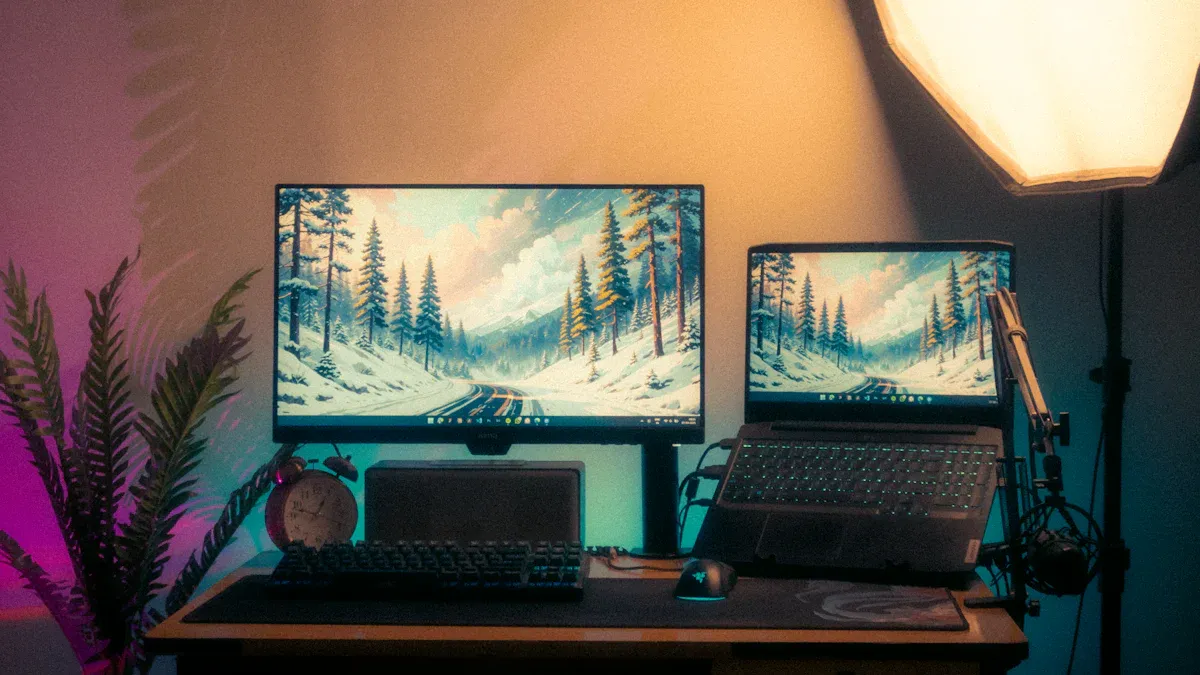
You have transformed your desk. Now, make it truly yours! Personalizing your workspace makes it a place you love. It helps you stay focused and inspired.
Organization Solutions
A tidy desk helps you think clearly. Use smart storage to keep things neat. You can use coordinating bins and wall-mounted organizers. These maximize every inch of space. Keep your drawers tidy with diamond-shaped dividers.
This keeps folded items visible. You can also install open shelves for easy access to supplies. Use baskets and trays for loose items. For wires and cords, use zip ties. You can also create a charging station in a drawer. Move bulky items like printers to shelves or under your desk. Use vertical space with monitor mounts or floating shelves. Pegboards are great for hanging folders and calendars.
Optimize Lighting
Good lighting is key to reducing eye strain. Use natural light whenever you can. Position your desk near a window. Use curtains or blinds to control bright sun. For artificial light, choose LED desk lighting. Look for bulbs with lower color temperatures. These reduce blue light rays.
Dimmable LEDs let you adjust brightness. This suits your comfort. Balance your light sources. Combine general room light with a focused desk lamp. This prevents high-contrast areas. Position your main light source to the side of your monitor. Never put it behind you.
Lighting Principle | Why It Matters | Quick Tip |
|---|---|---|
Layered Lighting | Prevents high-contrast areas that strain your eyes. | Combine general room light (ambient) with a focused desk lamp (task). |
Control Glare | Direct reflections on your screen are a primary cause of eye fatigue. | Position your main light source to the side of your monitor, never behind you. |
Decor and Personal Touches
Make your workspace inviting. Add personal touches. Incorporate family photos or artwork. These make the space welcoming. Plants also add life. Low-maintenance plants purify the air. They boost your well-being. Choose a color scheme for accessories. Colors can influence your mood. Green can be calming. Yellow can spark creativity. You can also add rugs or soft fabrics. These add warmth and reduce echo.
Ergonomic Setup
Your comfort is important. An ergonomic setup prevents strain. Your office desk should fit your height. Consider a sit-to-stand desk. Your office chair is crucial. It supports your lower back. It encourages good posture. Position your keyboard closer to your lap. Keep your shoulders relaxed. Your arms should be at a right angle. Place your monitor an arm’s length away. The top third of the screen should be just below eye level. This prevents neck strain. Consider a footrest if your feet do not rest flat.
You just finished an amazing journey! You turned an old metal desk into a unique, functional, and personalized workspace. Think about the money you saved. You also helped the environment. Plus, you showed off your creative side. Your dream workspace is truly possible. Start your own Metal Desk Makeover now. We want to see your transformed desks! Ask any questions in the comments below.
FAQ
How long does a metal desk makeover usually take?
A metal desk makeover usually takes a weekend or two. This includes drying and curing times. The actual work time is often just a few hours. Planning and prep take the most time.
What if my metal desk has a lot of rust?
You can remove heavy rust with a wire brush or sandpaper. Then, use a rust-inhibiting primer. This stops new rust from forming. Make sure the surface is clean and dry before painting.
Can I paint a laminate desktop?
Yes, you can paint a laminate desktop. First, clean it well. Then, lightly sand it to create a rough surface. Use a good primer designed for slick surfaces. Finally, apply your chosen paint and a durable topcoat.
How do I make the paint last longer on my desk?
To make your paint last, prepare the surface properly. Use a high-quality primer and paint. Apply thin, even coats. Finish with a clear protective sealer. Let it cure fully before heavy use.
