DIY chalk paint is a homemade solution for transforming your old furniture. It offers an incredibly easy way to give pieces a beautiful, unique matte finish. You avoid extensive sanding or priming, unlike traditional paint. This method breathes new life into your furniture affordably. Many find this chalk paint superior for quick makeovers.
Why DIY Chalk Paint for Furniture Makeovers?
You want to transform old furniture. DIY chalk paint offers many benefits for your projects. This method makes your furniture makeover simple and rewarding.
Minimal Prep for Furniture
You save a lot of time with DIY chalk paint. This paint adheres well to many surfaces. You can use it on wood, laminate, or metal. You do not need to do much sanding. You also do not need to prime the surface extensively. This makes painting furniture much easier than traditional methods.
The Unique Matte Finish
The finish you get is truly unique. It has a matte and velvety finish. Once dry, it shows a chalk-like appearance. This style is perfect for a vintage or distressed look. It gives an authentic soft matte look to your pieces. The texture is thick and non-reflective. It dries quickly, leaving an ultra-matte and chalky finish. This mimics a flat, velvety texture. It is ideal for an aged style.
Versatile Customization
You can create any color you desire. Mix your DIY chalk paint with other paints. This allows for endless color options. You can also use various decorative techniques. Try a faux stain finish on non-wood surfaces. Colors like Honfleur or Coco can mimic real wood. You can create a farmhouse style. Layer colors and distress the paint heavily. Old Ochre helps achieve a weathered look. Make a faux industrial metal finish with French Linen or Paris Grey. You can also add stenciling for decorative patterns. Image transfers are another option to personalize your furniture. This versatility makes your furniture makeover truly your own.
Cost-Effective Makeover
Making your own chalk paint is very affordable. Commercial chalk paint can be expensive. This DIY option saves you money. You achieve a beautiful look without a high cost. This makes painting furniture with chalk paint a smart choice for your budget.
Crafting Your Own DIY Chalk Paint
You can easily create your own DIY chalk paint at home. This section provides the best methods for making your own chalk paint. You will learn about the ingredients, proportions, and mixing steps for each method. You will also discover how to achieve the perfect consistency.
Plaster of Paris Method
The Plaster of Paris method is a popular choice for making chalk paint. It gives you a smooth finish.
Ingredients and Proportions:
1 part Plaster of Paris
3 parts latex paint
Water (as needed for mixing)
You can also use more precise measurements for a smaller batch. For example, combine 2 tablespoons of Plaster of Paris with 1 tablespoon of cold water. Then, stir this mixture into a sample pot of latex paint. Another option is to mix 2 tablespoons of Plaster of Paris with 4 teaspoons of water. Then, pour this smooth mixture into about 1 cup of latex paint.
Mixing Instructions:
Prepare the Plaster of Paris: Always mix Plaster of Paris with water first, before adding it to your paint. This helps prevent lumps.
Prevent Lumps: You must ensure the Plaster of Paris powder is lump-free. You can vigorously mix it with a fork or whisk. Sift it through a sifter, like you would with flour. Or, squish it in a plastic bag between your fingers.
Create a Paste: Slowly add cool water to the Plaster of Paris. Mix well until you achieve a pasty consistency. For instance, combine 2 tablespoons of Plaster of Paris with 1 tablespoon of water in a small dish. Mix thoroughly until there are no lumps. The result should be a thick, creamy paste. If you need more water, add 1 teaspoon at a time.
Combine with Paint: Pour this smooth Plaster of Paris mixture into your latex paint. Stir thoroughly. You can use tools like a blender, an old mixer, or a drill with a mixing attachment. Manual stirring with “elbow grease” also works until the mixture is smooth.
This method creates a thick, smooth chalk paint.
Unsanded Grout Method
The Unsanded Grout method also produces excellent chalk paint. This method gives a slightly gritty texture, but it can be very smooth if mixed well.
Ingredients and Proportions:
1 part unsanded grout
3 parts latex paint
Water (as needed)
Mixing Instructions:
Mix Grout and Water: Combine the unsanded grout with a small amount of water. Mix until it forms a smooth paste.
Add to Paint: Slowly add this grout paste to your latex paint. Stir continuously until you have a consistent mixture.
Achieve Smoothness: For a smoother finish, ensure you mix the grout paste very well before adding it to the paint.
The resulting chalk paint from this method is smooth, chalky, and lovely. It is exactly like a brand name chalk paint.
Baking Soda Method
The Baking Soda method is another simple way to make DIY chalk paint. This method often results in a thicker, slightly textured paint.
Ingredients and Proportions:
2 parts paint
1 part baking soda
For a specific example, you can use:
2/3 cup acrylic water-based house paint
1/3 cup baking soda
1 1/2 tablespoons cool water (add gradually as needed)
Mixing Instructions:
Combine Baking Soda and Water: Mix the baking soda with a small amount of cool water to create a paste.
Add to Paint: Gradually add this baking soda paste to your acrylic paint. Stir well until the mixture is smooth and lump-free.
Adjust Consistency: If the paint is too thick, add a little more water. If it is too thin, you can add a bit more baking soda.
This method gives your paint a thick, matte finish.
Achieving Perfect Consistency
Achieving the right consistency is key for your homemade chalk paint. You want a smooth, creamy texture, similar to yogurt or melted ice cream.
Avoid Lumps: Always mix your powder additive (Plaster of Paris, grout, or baking soda) with a small amount of water first. Create a smooth paste before adding it to your main paint. This is the best way to prevent lumps.
Gradual Mixing: Add your powder mixture to the paint gradually. Stir continuously.
Adjust as Needed: If your chalk paint feels too thick, add a teaspoon of water at a time. Mix well after each addition. If it is too thin, you can add a tiny bit more of your powder additive (pre-mixed with water, of course).
Storage: Store your homemade chalk paint in an airtight container. This prevents it from drying out. You can also consider commercial powder additives like Howard Chalk-tique as an alternative if you prefer a pre-made solution for your DIY chalk paint tutorial.
Applying DIY Chalk Paint to Makeover Old Furniture
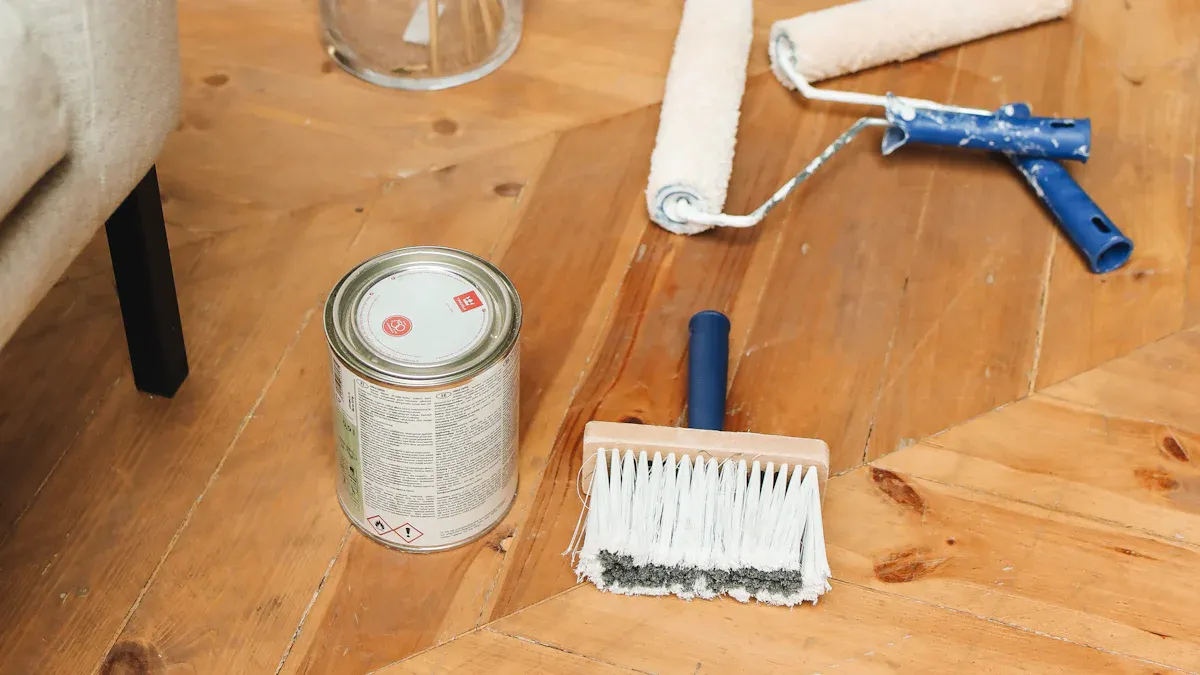
You are ready to makeover old furniture. This section guides you through applying your DIY chalk paint. You will learn how to prepare your furniture, paint it, and protect your finished piece.
Furniture Preparation Steps
Before you start painting furniture, you must prepare your piece. This ensures a smooth and lasting finish.
First, clean your furniture piece. This is a crucial step. Cleaning prevents future problems. You can use various cleaning agents. Try TSP, an all-purpose cleaner, or a degreaser. Even dish soap and water work well. Use a shop towel or a rag. A scour side of a sponge helps for very dirty pieces. Cleaning removes years of accumulated ‘funk.’ This includes smoke, human oils, or coffee stains. This prevents these substances from bleeding through your paint later. It also stops you from grinding them deeper into the furniture during sanding. Krud Kutter is a good cleaner. After cleaning, apply a light coat of water-based primer. Zinsser brand primer works well with chalk paint.
Next, make any minor repairs.
Rough Surfaces: Fill deep scratches with wood filler. Elmer’s Color Change Wood Filler is a good choice. Sand these areas smooth. For large, flaky, or drippy painted surfaces, use a power sander to smooth them out.
Loose or Peeling Veneer: Repair these sections. Fill missing parts with Bondo or wood filler. If the veneer is too damaged, remove it. Pull off loose sections. Use a damp towel and a hot iron to loosen glue on remaining parts.
Wood Tannins Bleeding Through: For small spots, spray with Zinsser Bulls Eye Shellac. Apply a couple of coats. For larger areas, prime the entire piece. Use a paint-on primer like Zinsser Bulls Eye 123. Apply two coats if needed.
Oily Surfaces: Wipe down with Odorless Mineral Spirits. This removes oily residue. For slick or shiny surfaces, clean them. Then apply a couple of coats of primer. In severe cases, sand down to the raw wood.
Hardware Changes: Existing hardware might leave indentations. New hardware may not cover them. Smooth these out with light sanding or wood filler. If you change handles with different screw spacing, fill existing holes with wood filler before painting.
Painting Techniques
Now you are ready for painting with chalk paint. Applying thin, even coats is key.
Choose an appropriate brush. A good brush significantly impacts paint application. Many chalk painters favor Purdy brand brushes. Apply two coats of paint for complete coverage. This is especially true when going from a darker to a lighter color. Maintain brush strokes in the same direction. Follow the grain when painting wood. Allow each coat to dry completely before re-coating. This prevents cracking. Chalk paint dries quickly. Drying time should not be long. The typical dry time between coats for chalk brand paints is 30-60 minutes. Homemade chalky paint also has a dry time of 30-60 minutes between coats. Work indoors. Avoid direct sunlight and very warm temperatures. This prevents premature drying and potential issues.
Thin your paint with water if it is too thick. This also helps if you prefer fewer brush strokes. Add a small amount of water at a time. Do this until you get the desired consistency. If you are painting from the can, the paint may thicken. This happens if the lid is off for a long time. Simply add water and shake the can. Clean your brushes with warm water and mild soap after use.
Optional Distressing
You can give your furniture a distressed style. This creates an aged look. You have two main methods: sandpaper or a damp cloth.
For sandpaper distressing:
Use sandpaper in the 120-220 grit range.
Avoid super low grit sandpaper. Grits like 60 or 80 can roughen the wood too much.
Do not go overboard. Focus on areas that would naturally show wear and tear. This creates a more authentic style.
Once your wax is dry to the touch but not hardened, begin sanding.
Use sanding pads. Start with coarse, then move to medium and fine. This removes the top coat. It reveals the color beneath.
Concentrate on edges and corners. These areas naturally see wear and tear. This creates an authentic distressed effect.
You can sand all the way back to the original surface in some places.
Wipe away sanding dust before applying a final protective coat of wax.
A sandpaper disc drill attachment can create circular grooves for aging. Smooth out any new grooves or divots with a sander afterward.
Remember, ‘less is more.’ Start with light distressing. Add more if needed.
If there is a layer of paint underneath, sanding can achieve a two-tone or multi-tone distressed effect.
Always dust off sanded pieces with a dry brush or rag before moving on.
For damp cloth distressing:
This method is also called wet distressing.
Use a damp or slightly wet lint-free cloth. An old sock, baby wipes, or a paper towel also work.
Wet distress while the paint is still wet for a blended look.
Alternatively, wait until the paint is dry but not cured. This is typically 1-2 hours after painting.
Wet distressing requires no sanding. There is no dusty cleanup. It offers more control. Light pressure gives light distressing. More pressure gives more distressing.
You can layer paint colors. This reveals the under color(s). Wiping back while paint is wet saves a step. It effectively showcases details, trim, and insets.
After painting each coat, use a damp shop towel. Wipe back paint on details while the paint is still wet. Use a water mister to dampen the towel. Ensure it is damp, not too wet.
Take a damp cloth. Gently rub the recently dried chalk paint. The water softens the paint. It allows you to wipe it off. This reveals the finish underneath. Adjust pressure on the cloth for the desired effect. This method works well for two-toned pieces. It also exposes natural wood.
Wet-distress when the paint is ‘freshly-dry.’ This is within 15 minutes to 1 hour after completely drying. This gives the best results. Ensure the cloth is damp, not soaking wet. Wring out excess water. Work in small areas. Vary pressure to control the intensity of distressing. After distressing, apply a top coat.
Sealing and Protection
You must seal your DIY chalk paint. This protects your makeover old furniture. You can use wax or polycrylic.
Wax offers many advantages for painting furniture with chalk paint.
Easy Repairability: You can fix small scratches or damaged areas. Just add a bit more wax or touch-up paint. Poly products often require redoing the entire area.
Integration with Paint: Wax settles into the porous chalk paint. It becomes part of the finish. This prevents flaking. Flaking is common with poly.
Aesthetic Versatility: Wax allows for creative effects. You can antique with dark wax. You can achieve a beachy style with light-colored wax.
Ease of Application and Correction: Wax is generally easier to apply. You can correct mistakes with mineral spirits. Poly is difficult to fix once dry.
Cost-Effectiveness: One can of wax can last for many furniture projects. This makes it an economical choice.
Durability and Appearance: Wax will not yellow or chip off over time. It maintains its appearance better than poly.
Polycrylic is another option for painting furniture with chalk paint. It provides a durable finish.
Stir Chalk Paint® Lacquer well before starting. Stir it regularly during use. This ensures proper mixing.
Apply a thin coat of Lacquer. Use a brush or roller. Cover the entire piece methodically. Dilute with 10% water if needed. This helps with even application.
Allow the first coat to dry for 1-2 hours.
For increased durability, apply a second thin coat. Follow the same method.
Let the piece dry before use (1-2 hours). Full curing takes up to 2 weeks.
To achieve a smooth finish without streaks, use a quality brush. Invest in a ‘best’ category brush. It costs a few dollars more. This is highly recommended for satisfactory results.
You now understand the power of DIY chalk paint. It offers simplicity, affordability, and beautiful results for your furniture makeovers. Experiment with different recipes and techniques. Find what works best for you. You will feel great transforming old furniture into cherished pieces. Enjoy the creative process!
FAQ
What is the best type of paint to use for DIY chalk paint?
You use latex paint for DIY chalk paint. Flat or eggshell finishes work best. These types of paint mix well with the additives. They also provide a good base for the matte finish.
What is the difference between store-bought chalk paint and DIY chalk paint?
Store-bought chalk paint is a pre-mixed product. DIY chalk paint you make yourself. You mix a powder additive with regular latex paint. Both give a matte, chalky finish. DIY versions save you money.
How long does DIY chalk paint last once you mix it?
You should store DIY chalk paint in an airtight container. It typically lasts several weeks to a few months. The exact time depends on the additives you use. Always check for lumps or separation before you paint.
Can you use DIY chalk paint on outdoor furniture?
Yes, you can use DIY chalk paint on outdoor furniture. You must seal it properly. Use a durable outdoor-grade sealer. This protects the paint from weather elements. It ensures your furniture lasts longer outside.
What if your DIY chalk paint is too thick or too thin?
If your paint is too thick, add a small amount of water. Mix it well. If it is too thin, add a tiny bit more of your powder additive. Make sure you pre-mix the powder with water first. This helps you achieve the right consistency.