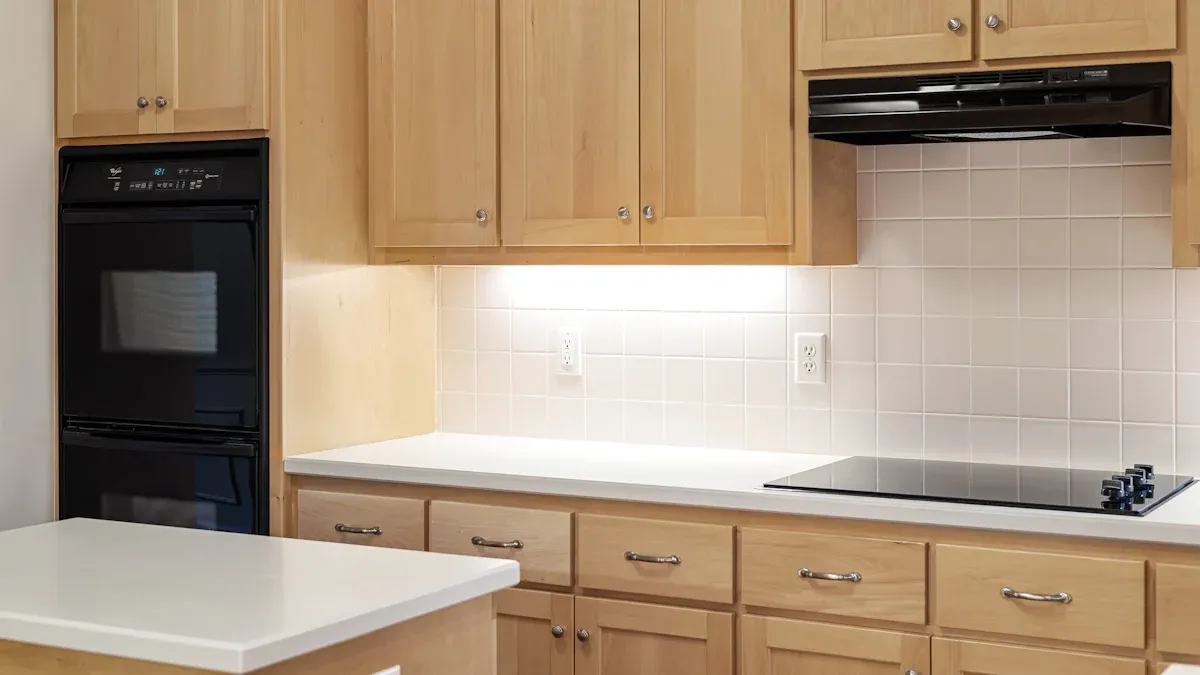
You want a fresh kitchen, but painting cabinets yourself feels daunting. Many hesitate, fearing poor results. You can achieve a professional finish at home. This ultimate diy guide empowers you to paint cabinets like a pro. This comprehensive cabinet painting tutorial shows you how to paint cabinets for a durable, pro-level finish on your cabinets.
A DIY project for painting cabinets offers huge savings. Your paint materials cost $150–$600, unlike professional services at $1,500–$7,000. This ultimate diy guide makes your diy projects successful. You get beautiful paint and a professional finish. This ultimate diy guide ensures great results for your project.
Essential Cabinet Preparation

Proper preparation is the most crucial step for a professional-looking paint finish on your cabinets. You cannot skip these steps. They ensure your paint adheres well and lasts for years. This section guides you through preparing your cabinets for painting.
Assessing Cabinet Condition
Before you begin painting cabinets, you must carefully inspect your existing cabinets. Look for any damage or imperfections. You need to identify issues that require repair before you apply any paint.
Common signs of cabinet damage requiring repair include:
Visible Wear and Tear: You might see scratches, scuff marks, or dented panels. Look for peeling, bubbling, or lifting paint or finish. Discoloration also indicates wear.
Functionality Issues: Check if doors do not align or stay closed. Listen for squeaking hinges or hinges pulling away from the frame. Drawers might stick or slide unevenly. You may find sagging shelves or latches and glides that snap or fall apart.
Water Damage and Stains: Swollen or warped cabinet doors are a clear sign. Feel for soft spots along bottom edges or under the sink. Bubbling, peeling, or cracking finishes can indicate water damage. A musty smell suggests hidden mold. Look for black or brown stains.
Other signs of damage that need attention are:
Water-Damaged Cabinets: You will see swollen or puffy wood. Dark spots or mold growth can appear. Warped doors prevent proper closing.
Scratched or Dented Cabinet Surface: Deep scratches or dents need wood filler and sanding.
Cabinet Doors Not Closing Properly: Loose hinges need tightening or repair of stripped holes. Misaligned European-style hinges require adjustment.
Addressing these issues now ensures a smooth, durable finish later.
Gathering Painting Supplies
You need the right tools for a successful cabinet painting project. Gather all your supplies before you start. This saves you time and frustration.
Here is a list of essential items:
Painter’s tape: Use this to protect areas you do not want to paint.
Drop cloths or plastic sheeting: Cover your floors and countertops.
Screwdrivers: You will need these to remove hardware.
Wood filler: This fixes dents and holes.
Various sandpaper grits: Get 80-grit, 120-grit, 150-grit, 220-grit, and 320-grit.
Heavy-duty degreaser: This cleans your cabinets thoroughly.
Clean rags or sponges: You will use these for cleaning.
Primer: Choose a high-quality primer.
Cabinet paint: Select a durable paint designed for cabinets.
Paintbrushes: Angled brushes work well for details.
Paint rollers: Use foam rollers for a smooth finish.
Paint trays: These hold your paint.
Dust mask and safety glasses: Protect yourself from dust and fumes.
Labeling system: Use numbered stickers or bags for hardware.
Disassembling and Labeling
You must remove all cabinet doors, drawer fronts, and hardware. This allows you to paint all surfaces evenly. It also prevents paint from getting on hinges or handles.
Remove Doors and Drawer Fronts: Use a screwdriver to detach all doors from the cabinet frames. Take off all drawer fronts.
Remove Hardware: Unscrew hinges, handles, and pulls from the doors and drawer fronts.
Label Everything: This is a critical step. Use a numbering system. Place a numbered sticker on the back of each door and drawer front. Write the corresponding number inside the cabinet frame where the door or drawer front belongs. Put all hardware from each door or drawer into a small, labeled bag. This ensures you reassemble everything correctly. This simple tip prevents headaches later in your diy project.
Thorough Cleaning and Degreasing
Kitchen cabinets accumulate grease and grime over time. You must clean them thoroughly before painting. This step is vital for good paint adhesion.
Wipe Down Surfaces: Use a damp cloth to remove loose dirt and dust from all cabinet surfaces.
Apply Degreaser: You need a heavy-duty degreaser to cut through stubborn grease. Trisodium Phosphate (TSP) is a powerful option. You can also use products like Goo Gone Heavy Duty Cleaner & Degreaser. This product effortlessly cuts through tough grease, grime, and oil. It is safe for various materials, including cabinets. It removes heavy dirt without hard scrubbing. Ammonia-based degreasers are also effective for sticky buildup. ZEP Heavy-Duty Citrus Degreaser is another intense cleaning agent.
Scrub and Rinse: Apply the degreaser according to the product instructions. Scrub all surfaces, paying extra attention to areas around the stove and sink. Rinse thoroughly with clean water. You must remove all degreaser residue. Any leftover residue can prevent the paint from sticking.
Dry Completely: Allow all cabinet surfaces to dry completely before moving to the next step.
Repairing Imperfections
Now you address any damage you found during your initial assessment. This step ensures a smooth surface for your new paint.
Fill Holes and Dents: Use wood filler to repair scratches, dents, and any holes from old hardware you do not plan to reuse.
DAP Plastic Wood Filler: This matches various wood finishes. It repairs cracks, gouges, and holes on furniture, molding, cabinets, and doors.
DAP Plastic Wood-X Wood Filler with DryDex: This dries naturally. It is stainable, paintable, and will not shrink or crack. It is ideal for wood surfaces.
DAP Plastic Wood Professional Wood Filler: This is a solvent-based filler with real wood fibers. It sands, paints, and stains like real wood. It is ideal for furniture, doors, and molding.
Epoxy Wood Fillers: These are two-part compounds. They offer exceptional strength and durability. They are ideal for large and structural repairs. You can sand, drill, and paint them once cured.
Latex Wood Fillers: These offer good flexibility and adhesion for interior projects. They are easy to apply and clean up with water. You can paint or sand them. They are useful for trim, molding joints, and small to medium repairs.
Solvent-Based Wood Fillers: These provide durability and water resistance. They are more durable than water-based fillers. They resist shrinking and cracking. They are ideal for larger repairs.
Apply Filler: Apply the wood filler with a putty knife. Overfill the area slightly.
Dry and Sand: Allow the filler to dry completely according to the product instructions. Then, sand the filled areas until they are smooth and flush with the surrounding surface.
Proper Sanding Techniques
Sanding is essential for creating a smooth surface and promoting paint adhesion. You do not need to sand down to bare wood unless the existing finish is failing. The goal is to scuff the surface.
Initial Sanding: Start with a coarser grit sandpaper.
For cabinets in good condition, use 120 or 150 grit sandpaper.
For cabinets with imperfections or rough surfaces, use 80 or 100 grit sandpaper. This step helps remove any remaining grime and creates a profile for the primer to grip.
Sanding Grit Progression: Follow a specific progression for the best results.
100 grit: Use this for quickly removing old paint, varnish, or polyurethane.
150 grit: This levels scratches left by the coarser 100-grit sanding.
220 grit: This smooths the surface in preparation for primer application.
320 grit: This creates an ultra-smooth finish before the final topcoat is applied. Always sand in the direction of the wood grain.
Clean Dust: After each sanding step, thoroughly wipe away all sanding dust with a tack cloth or a damp cloth. Dust can cause bumps in your paint finish.
Protecting Your Work Area
You must protect your surroundings from paint and dust. This makes cleanup much easier.
Set Up a Dedicated Space: Choose a well-ventilated area for painting. A garage or a spare room works well. Lay down drop cloths or plastic sheeting to cover the entire floor.
Cover Surfaces: Use painter’s tape and plastic sheeting to cover countertops, backsplashes, and any areas adjacent to the cabinet frames you are not painting.
Ventilation: Open windows or use fans to ensure good airflow. This helps with drying and reduces fume buildup.
These prep cabinets steps are crucial for a pro finish on your painting cabinets project.
Priming for Durable Cabinet Paint
Priming is a critical step for a professional and durable painted finish on your cabinets. Primer creates a bonding layer. It helps the paint stick better. It also blocks stains and ensures an even color. You need to prime your cabinets for the best results.
Choosing the Right Primer
Selecting the correct primer ensures strong paint adhesion. The best primer for cabinets depends on your cabinet material. Different surfaces require specific primer types.
Cabinet Material | Recommended Primer | Why It Works |
|---|---|---|
Solid Wood (Oak, Maple, Pine) | Oil-Based Stain-Blocking Primer or Shellac Primer | Seals wood grain, stops tannin bleed, provides durable base. |
MDF or Particleboard | Oil-Based or Water-Based Sanding Primer | Fills porous surfaces, creates smooth base, prevents swelling. |
Previously Painted Wood | Water-Based Bonding Primer or Oil-Based Primer | Ensures superior adhesion to existing finishes after proper preparation. |
Laminate or Melamine | Water-Based Specialty Bonding Primer | Formulated with unique resins for chemical bonding to slick, non-porous surfaces. |
Thermofoil | Water-Based Specialty Bonding Primer | Adheres to plastic-like vinyl surfaces to prevent peeling or chipping. |
For bare wood, especially oak or pine, use a shellac-based or oil-based stain-blocking primer. This prevents tannins from bleeding through your new paint. Previously painted cabinets need a high-adhesion bonding primer. This can be water-based or oil-based. Always scuff-sand first. Laminate or melamine surfaces are challenging. They need a specialty bonding primer. These primers have powerful resins for adhesion to slick surfaces.
Shellac-based primer is often the best primer for cabinets. It offers many benefits for painting cabinets:
It adheres to tough surfaces.
It hardens to a very durable finish.
You can often skip sanding on most surfaces.
It blocks stains and odors permanently.
Shellac primer is thin and easy to apply.
In scratch tests, shellac-based primer showed superior durability. No paint removal occurred even under heavy pressure. It also provided the best paint adhesion.
Applying Primer Evenly
You apply primer just like paint. Use thin, even coats. This prevents drips and ensures a smooth surface.
Use a Brush for Details: An angled brush helps you get into corners and detailed areas.
Use a Roller for Flat Surfaces: A foam roller gives you the smoothest finish on flat cabinet doors and frames.
Apply Thin Coats: Do not apply too much primer at once. Two thin coats are better than one thick coat.
Allow Drying Time: Let the primer dry completely between coats. Check the product instructions for specific times.
Sanding Between Primer Coats
Sanding between primer coats is essential. It creates a perfectly smooth cabinet finish. This step also improves paint adhesion for the final paint layers.
When sanding after primer to smooth inconsistencies and drips, use 220-grit sandpaper. This gives you a perfect finish.
For sanding between paint coats on cabinets, use extra fine grit sandpaper (320+ grit). This gently buffs away any bumps. It creates a super smooth finish.
After sanding, wipe away all dust with a tack cloth. This prepares the surface for your next coat of paint. This ensures a durable painted finish.
How to Paint Cabinets Effectively
You have prepared your cabinets. Now you are ready for the exciting part: applying the paint. This section guides you through the best techniques. You will achieve a beautiful, durable professional finish.
Selecting the Best Cabinet Paint
Choosing the right paint is crucial for a lasting finish on your cabinets. Different paint types offer various benefits. You need to understand these differences.
Acrylic-Latex Paint: This is a popular choice for painting cabinets. It offers excellent durability. It resists wear and tear well. Acrylic-latex paint also has high moisture resistance. This makes it ideal for humid areas like kitchens and bathrooms. Its flexibility prevents cracking and peeling. This is good for surfaces with frequent use. It maintains color vibrancy over time. It resists fading even in direct sunlight. Acrylic-latex paint often contains lower VOC levels. This makes it a safer and more eco-friendly option. It adheres well to various surfaces, including wood.
Oil-Based Paint: This paint provides a very hard and durable finish. It is known for its excellent adhesion. However, it takes longer to dry. It also has a stronger odor. Oil-based paint can yellow over time, especially on white cabinets. You clean up oil-based paint with mineral spirits.
Hybrid Enamels: These paints combine the best qualities of oil and water-based paints. They offer the durability of oil-based paint. They also provide the easy cleanup and lower odor of water-based paint.
Valspar Cabinet & Furniture Paint is an oil-enriched enamel. It offers an extra-durable, scrubbable finish. It withstands daily wear and tear. Its non-yellowing formula is crucial for white and light-colored cabinets. It dries to a fade-resistant finish.
Behr Urethane Alkyd Semi-Gloss Enamel is another hybrid formula. It combines alkyd durability with water-based convenience. It provides a hard, resilient finish. It resists stains and scratches. It flows smoothly. It levels well to reduce brush marks. It has low odor. You clean it up easily with soap and water.
Modern water-based and hybrid alkyd paints have significantly lower VOC levels. This makes the painting process more pleasant. It is safer for families and pets. It reduces strong paint smells and harmful chemical exposure. You can enjoy your renovated space quicker.
Urethane-modified alkyd paints are alkyd resins. Urethane segments reinforce them. This enhances toughness, hardness, and resistance to sticking and scuffing. This modification provides a strong balance of smoothness and durability. This makes them suitable for frequently touched surfaces like cabinets. They offer a middle ground between slow curing alkyds and faster acrylics. They provide a premium enamel feel without an excessively long recoat schedule.
Urethane-modified acrylics are true acrylic enamel resin systems. Urethane chemistry strengthens them. This creates a tougher, more cabinet-worthy film. These paints offer faster dry-to-recoat times. They also provide earlier blocking resistance. This means you can use doors and drawers sooner. They offer good color stability over time. This is especially true for white and light-colored cabinets. They are ideal for projects needing a faster, more practical workflow. They provide a durable film without a long alkyd-style cure.
Brush and Roller Application
You can achieve a smooth finish with brushes and rollers. This method is a foolproof method for many DIYers.
Brushes for Detail: Use an angled brush for recessed or detailed areas. This helps you avoid brush marks on flatter surfaces. Angled brushes are excellent for cutting in. They help you paint corners and detailed trims. This allows for sharp lines and access to tight spaces. You do not need excessive painter’s tape.
Brush Size
Best Use Case
1-2 inches
Small areas, detail
3-4 inches
Large panels
Oval and tapered brushes are also effective for intricate trims and corners. They allow for consistent paint application without mess. Their pointed tips are ideal for precision.
Rollers for Smoothness: Use a foam roller for flat surfaces. Foam rollers produce a smooth, stipple-free finish. Short nap lengths are the best choice for smooth cabinets. Specifically, 3/16″ to 1/4″ nap sizes are recommended for very smooth surfaces. This includes sanded wood, like cabinet surfaces. These are excellent for applying glossy or semi-gloss paint. They help you achieve an ultra-smooth cabinet finish.
Using a Paint Sprayer
A paint sprayer offers the quickest way to get a professional finish. It provides an incredibly smooth, factory-like appearance.
Choosing Your Sprayer: A paint sprayer with a detail or fine finish nozzle is most effective for painting cabinets. The Wagner FLEXiO 5000 is a recommended paint sprayer. You should use it with its Detail Finish Nozzle. This nozzle provides a much finer finish with smaller droplets. It creates an almost factory-smooth appearance. It also allows for thinner coats of paint.
Pro Tips for Spraying:
Always practice on scrap wood first. This helps you get a feel for the paint sprayer.
Keep the paint sprayer moving constantly. Use even, overlapping passes.
Maintain a consistent distance from the surface.
Maximize air power. Adjust paint flow to a lower setting for an optimal fine finish.
Wear appropriate safety gear. This includes a respirator and eye protection.
Clean your paint sprayer thoroughly after each use. This prevents clogs.
Applying Multiple Thin Coats
Applying multiple thin coats of paint is key to a durable and beautiful finish. This is one of the most important tips for painting cabinets.
Why Thin Coats?: Two thin coats are always better than one thick coat. Thin coats dry much faster and more evenly. This minimizes streaks. It ensures a smoother final finish. Applying paint too thickly or recoating before the first coat is fully dry will significantly extend drying time. It can result in a gloppy, uneven, or streaky finish.
Drying Time: Always consult the manufacturer’s directions on the paint can. These guidelines are based on specific product testing.
Oil-based paint typically dries to the touch in 6-8 hours. It is ready for recoating in 24 hours.
Latex paint dries to the touch in about one hour. You can safely recoat it in four hours.
Sanding Between Coats: Lightly sand between coats with 320-grit sandpaper. This creates a smooth surface for the next layer of paint. Wipe away all dust with a tack cloth before applying the next coat.
Understanding Drying and Curing
You need to understand the difference between drying and curing. This ensures the longevity of your newly painted cabinets.
Feature | Drying Time | Curing Time |
|---|---|---|
Process | Solvents evaporate from the coating. | Chemical reactions harden the finish. |
Surface State | Feels dry to the touch, but is soft and vulnerable. | Becomes a durable, long-lasting surface. |
Vulnerability | Susceptible to scratches, dents, and marks from spills. | Resistant to everyday wear like scratches, stains, and heat. |
Strength | Finish has not reached its full strength. | Finish achieves its full strength and durability. |
Drying Time: This is when the paint feels dry to the touch. You can handle the cabinets carefully. However, the paint is still soft. It is vulnerable to damage.
Curing Time: This is when the paint reaches its maximum hardness and durability. The paint hardens and bonds fully to the cabinet surface. This ensures a long-lasting finish. The curing process for cabinet paint typically takes about 30 days. During the first 1-2 weeks, the paint remains soft and vulnerable to damage. It becomes more resistant in weeks 3-4. It reaches maximum durability around day 30.
Paint Type
Curing Period
Water-based
21–30 days
Oil-based
7–14 days
For heavy use or regular cleaning of painted cabinets, wait 21–30 days for the paint to fully cure. Light use might be possible after 7 days. A full cure ensures a durable and professional finish. This patience will pay off with a pro-level result. You will avoid brush strokes and achieve a smooth finish. This is how you paint cabinet doors like a pro.
Finishing and Maintaining Your Painted Cabinets
You have completed the painting process. Now you need to reassemble your cabinets. Proper care ensures your new durable painted finish lasts. This section guides you through the final steps. You will learn how to keep your cabinets looking great.
Reassembling Cabinets and Hardware
Your cabinets are now fully cured. You can reassemble them. This is the final step in your painting cabinets project.
Reattach Hardware: Use the labeled bags. Screw hinges, handles, and pulls back onto the doors and drawer fronts.
Hang Doors: Reattach the doors to the cabinet frames. Use the numbers you created earlier. This ensures each door goes back to its original spot.
Install Drawer Fronts: Secure the drawer fronts. Adjust them for proper alignment.
Take your time during reassembly. This prevents scratches on your new paint. You will see your before and after results come to life.
Post-Painting Care and Curing
Your paint needs time to fully cure. This is different from drying. The paint feels dry to the touch quickly. It takes longer to reach full hardness.
Curing Time: Most cabinet paint cures in about 30 days. Be gentle with your cabinets during this time.
Gentle Cleaning: Use mild cleaners for newly painted cabinets.
A mixture of distilled vinegar and water works well. Apply it with a microfibre rag.
Mr. Clean Magic Eraser can remove stubborn marks. Use it lightly.
Rejuvenate Cabinet and Furniture Cleaner is good for regular care.
Mild dish soap, like Dawn, is gentle and effective.
Murphy’s Oil Soap is safe for wood and painted surfaces.
Avoid harsh chemicals. They can damage your new finish.
Troubleshooting Common Issues
Sometimes issues arise. You can fix most problems.
Paint Chipping: This happens for a few reasons.
Skipping proper surface preparation is a common cause.
Using the wrong paint products can lead to chipping.
Improper curing also causes issues. These problems lead to adhesion failure. The paint does not stick well. Edges might lift. Peeling paint can appear across the cabinet surface.
Repairing Chips: You can fix minor chips.
Gather materials. You need a cleaner, 320 grit sandpaper, primer, the correct paint, and a good paintbrush.
Choose the right paint color. Match the original sheen.
Clean the cabinet surface. Remove grease and dust.
Lightly sand chipped areas.
Apply primer if needed.
Touch up with paint. This keeps your cabinets looking smooth.
Long-Term Cabinet Maintenance
Regular care extends the life of your painted cabinets. You will enjoy your pro-level results for years.
Routine Cleaning: Use gentle cleaners. A soft microfiber cloth with warm water and a few drops of gentle dish soap is ideal.
For grease, add half a cup of white vinegar to warm water.
Wipe surfaces with a damp cloth. Dry them thoroughly.
Avoid products with ammonia, bleach, or alcohol. They can damage the paint.
Protective Measures:
Apply a clear topcoat. This creates a protective barrier. It guards against scratches and stains.
Use cabinet liners. They prevent scratches from items inside.
Install hardware. This minimizes direct hand contact with the paint.
Address small nicks promptly. This prevents further damage. These tips help maintain a durable finish. Your diy project will continue to impress.
You can achieve professional-looking cabinet painting. This guide shows you how. Thorough preparation, quality materials, and patience are key for your painting project. You can confidently tackle this diy project. It transforms your home. Enjoy the satisfaction of a job well done. Your refreshed cabinets will show amazing results.
FAQ
What kind of paint should you use for cabinets?
You should choose acrylic-latex, oil-based, or hybrid enamel paints. Acrylic-latex offers durability and moisture resistance. Oil-based provides a hard finish but yellows. Hybrid enamels combine benefits. Consider your cabinet material and desired finish.
What is the difference between paint drying and curing?
Drying means the paint feels dry to the touch. It is still soft. Curing means the paint reaches full hardness. It becomes durable. Curing takes longer, often 30 days. You must be gentle during this time.
What should you do if your cabinet paint chips?
You can fix minor chips. Clean the area. Lightly sand it. Apply primer if needed. Then, touch up with matching paint. This keeps your cabinets looking good.
What is the most important step for painting cabinets?
Proper preparation is the most important step. You must clean, degrease, and sand thoroughly. This ensures paint adhesion. It creates a smooth, durable finish. Do not skip this part.
What tools do you need for a smooth paint finish?
You need foam rollers for flat surfaces. Use an angled brush for detailed areas. A paint sprayer gives the smoothest, factory-like finish. Always practice with your tools first.