

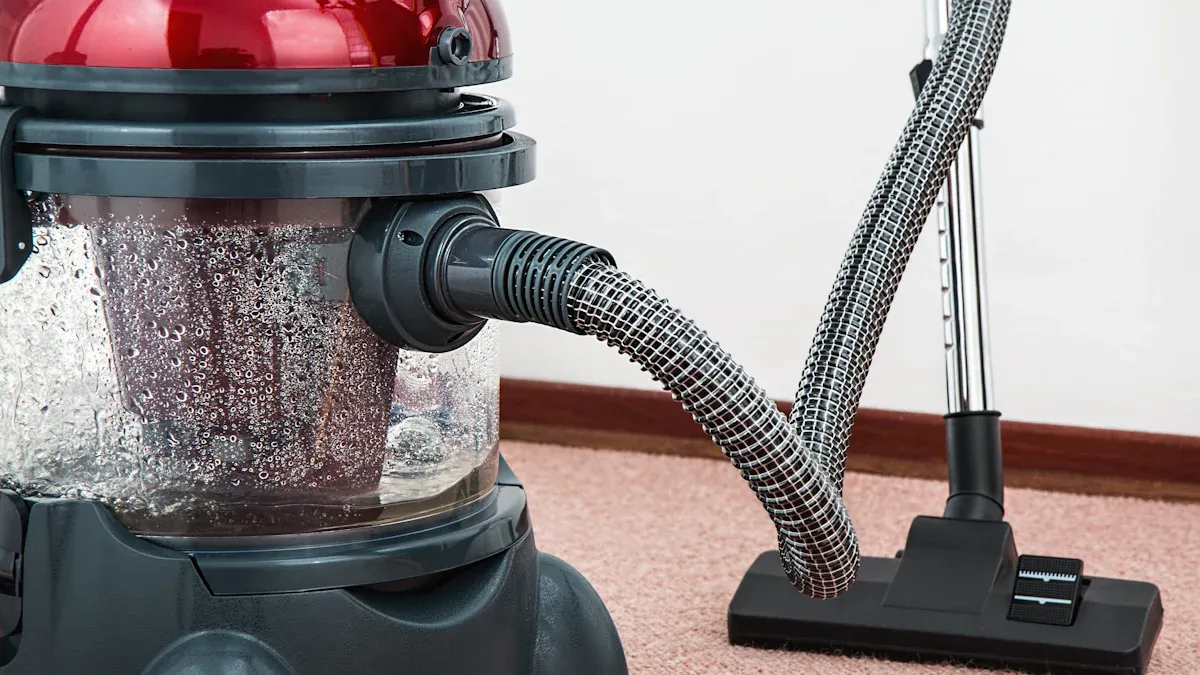
Cleaning carpet stairs presents a unique challenge. Their high traffic and awkward angles make these stairs difficult to clean. Regular cleaning offers many benefits for your clean carpet stairs. It improves their appearance and extends the life of your carpet.
More importantly, it boosts indoor air quality. Your carpet traps pollutants like dust mites, allergens, and even dead skin cells. Regular cleaning removes these contaminants from your stairs, preventing them from circulating. This improves breathing and reduces issues like allergies or unhealthy mold growth. This comprehensive guide provides effective DIY methods and essential tools for cleaning carpeted stairs.
Prepare to Clean Carpet Stairs Effectively
Clear and Dust the Staircase
You need to prepare your stairs before you start. First, clear the staircase. Remove any shoes, toys, or other items. This gives you a clear workspace. Next, dust the stairs thoroughly. These initial cleaning tips make the job easier.
Start vacuuming from the top step. Work your way down. This makes sure any dirt from higher steps falls to lower ones. You can then clean it all as you go.
Use your vacuum cleaner attachments. The hose helps you vacuum each step easily. You do not need to carry the heavy vacuum unit. The crevice tool is great for tight spaces and risers.
If you have wooden steps, sweep them first. This removes larger debris. It stops your vacuum from clogging. Then, vacuum to pick up fine dust.
Gather Your Cleaning Supplies
Gather all your cleaning supplies. Having everything ready saves time. You will need several items for effective cleaning.
Cleaning Solutions:
Carpet shampoo or mild detergent
White vinegar
Baking soda
Carpet spot remover
Equipment:
Vacuum cleaner with hose and brush attachment
Soft bristle brush or scrub brush
Microfiber cloths or clean rags
Spray bottle
Towels
A portable cleaning machine is optional but very effective for deep cleaning.
Test Cleaning Solutions Safely
Before you apply any cleaning solution, test it. This step is very important. You want to avoid damaging your carpet. Apply the solution to a small, hidden area of the carpet. A good spot is usually in a closet or under a piece of furniture. Wait a few minutes. Then, blot the area with a clean cloth. Check for any discoloration or damage to the carpet fibers. This test helps you find the right cleaning solution. It ensures your chosen product is safe for your specific carpet. This careful approach helps you clean carpet stairs without worry.
DIY Methods for Cleaning Carpeted Stairs
You can use different DIY approaches to clean your carpeted stairs. These methods range from routine maintenance to intensive cleaning. You must choose the right method. Base your choice on the level of dirt and the type of stains you see.
Regular Vacuuming for Daily Upkeep
Regular vacuuming is your first line of defense. It keeps your carpet looking good. You remove loose dirt, dust, and debris. This prevents dirt from settling deep into the carpet fibers. Vacuum your stairs often. This simple step makes a big difference. It helps maintain the overall cleanliness of your home.
Spot Clean Visible Stains Promptly
Address visible stains right away. Fresh stains are easier to remove. You prevent them from setting into the carpet. Keep a good spot cleaner handy. You can also use a simple solution of water and mild detergent. Blot the stain gently. Do not rub it. Rubbing can spread the stain or damage the carpet fibers. Prompt action saves your carpet from permanent marks.
Deep Cleaning for a Thorough Refresh
Sometimes, your stairs need more than just surface cleaning. A deep clean truly refreshes your carpet. This process removes dirt, dust, and allergens. These particles hide deep within the carpet fibers. Regular vacuuming often misses them. Deep cleaning uses specialized methods. It restores your carpet’s appearance and hygiene. This improves indoor air quality. It eliminates pollutants like pollen, fungus, bacteria, and chemicals. Deep cleaning also extends the carpet’s life. It prevents abrasive dirt from damaging fibers. This method makes your stairs look and feel new. It also removes accumulated dust and allergens. This improves air quality and prevents respiratory problems. You prolong the lifespan of your carpet. This avoids costly replacements.
Tools for Cleaning Carpet Stairs
You need the right tools to clean your carpeted stairs effectively. These tools make the job easier and ensure a thorough cleaning.
Essential Vacuum Cleaners and Attachments
A good vacuum cleaner is crucial for cleaning stairs. Handheld vacuums are ideal for small tasks and spot cleaning. They are easy to maneuver on stairs. Electric mini nozzles are also very effective for carpeted stairs. They do not lose power like some other attachments. The Electrolux Sidekick and StairPro are popular choices. Some Electrolux canister vacuums, like the 1205 with a PN1, sit stably on stair treads. This prevents them from tipping over. Central vacuums with small motorized power nozzles also work well. The Dyson V6 with a direct drive cleaner head is effective because its width matches most stairs. The ZeroG floating vacuum offers power and versatility. It includes a StairPro mini-powerbrush, specifically designed for cleaning carpet and stairs. Specialized brushes and power heads are important for trapping pet hair on stairs.
Brushes and Scrubbers for Agitation
Brushes and scrubbers help loosen dirt from your carpet fibers. Counter-rotating brush (CRB) cleaners, like the Carpet Shark, agitate carpet fibers well. Their collapsible handles make them suitable for stairs. For rotary floor machines, a carpet-friendly scrubbing brush is recommended. The Powr-Riser Carpet Brush has a glide plate. You can adjust it for any carpet nap height. CRB machines offer brushes in different stiffness levels. Extra-stiff (yellow) brushes are for very matted carpets. Stiff (green) brushes work on commercial loop pile. Standard (blue) brushes are for routine maintenance. Soft (gray) brushes suit synthetic cut pile. Extra-soft (white) brushes are for delicate, high-end carpet.
Microfiber Cloths and Spray Bottles
Microfiber cloths are versatile cleaning tools. They absorb spills well and are gentle on carpet. Use them for blotting stains or applying cleaning solutions. Spray bottles help you apply cleaning solutions evenly. You can fill them with water, a homemade solution, or a commercial cleaner. Always spray the cloth first, not directly onto the carpet. This prevents over-wetting.
Carpet Cleaning Machines for Deep Cleaning
For a deep clean, consider a carpet cleaning machine. These machines provide a thorough cleaning. Rug Doctor offers portable spot cleaners for rent. These are suitable for stairs. Their cleaning tips often include a category for “Upholstery, Stairs, & Auto.” This shows they design these machines for such uses. The Shark® CarpetXpert™ with Stainstriker™ is another option. This upright deep carpet cleaner has a built-in spot and stain remover. It extends to clean stairs and other isolated stains on your carpet. This type of carpet cleaner designed for stairs makes deep cleaning much easier.
Step-by-Step Regular Vacuuming
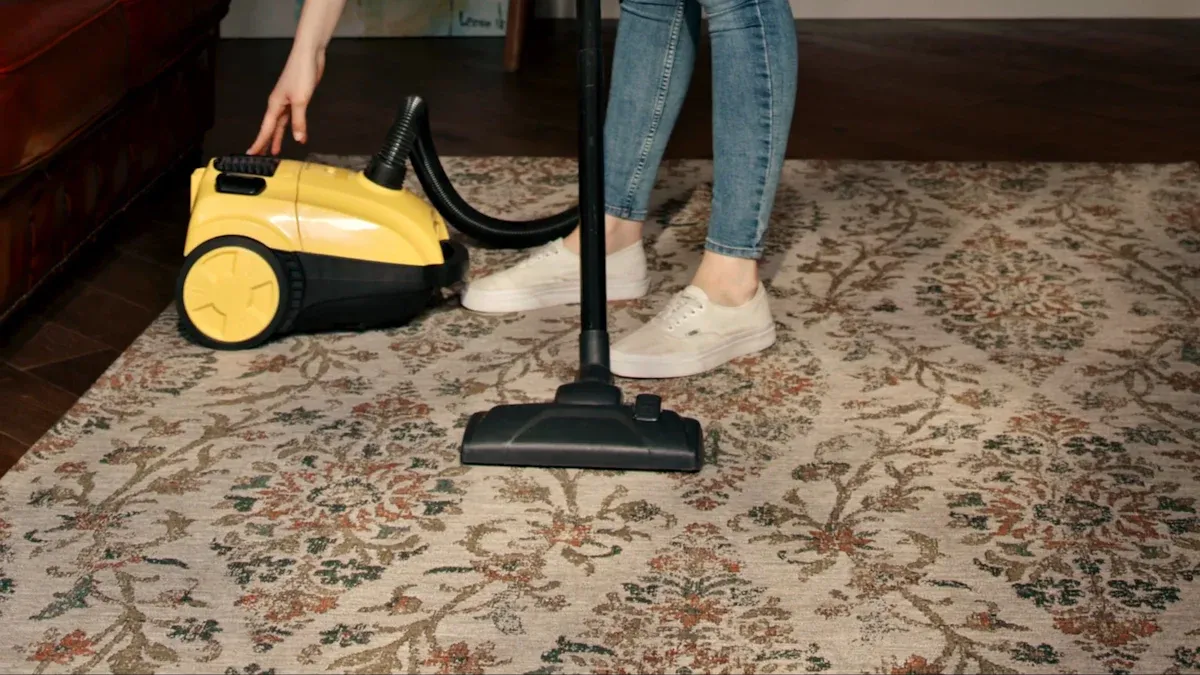
Regular vacuuming is essential for maintaining your carpeted stairs. This routine prevents dirt buildup and keeps your home looking fresh. You can effectively vacuum stairs thoroughly by following these steps.
Choosing the Right Vacuum Attachments
Selecting the correct vacuum attachments makes a big difference. Handheld vacuums, both corded and cordless, offer great maneuverability for stairs. They are perfect for quick clean-ups. For deeper cleaning, consider attachments that agitate the carpet fibers. A vacuum cleaner with a rotating bristle attachment helps lift embedded dirt.
Specialized attachments are crucial for stair cleaning. An enclosed 4-inch upholstery tool works well for risers and the bullnose (the rounded edge) on carpeted stairs. A Prochem upholstery tool also helps clean risers when needed. Crevice tools are effective for corners, edges, and gaps between steps. Small brush heads can agitate and lift dirt from various stair materials. These tools help you remove pet hair from stairs more easily.
Proper Technique for Vacuuming Treads and Risers
Use the right technique to clean your stairs effectively. Start vacuuming at the bottom of the stairs and work your way up. This gives you a better view and prevents accidental falls. Remove the long stick part of your vacuum. Attach a crevice tool to the main canister. Use this tool for detailed cleaning in nooks, crannies, and under the front lip of each tread. Also, use the crevice tool to clean the front rounded part of each step. This removes lint and fluffs the carpet.
Next, switch attachments to the long stick part with a mini motorized tool. Start again from the bottom and move upwards. Vacuum the main part of each tread. After cleaning each tread, vacuum the riser part of that stair before moving to the next step. You can do this by twisting your wrist to position the motorized tool on the riser. Move it up and down.
Recommended Vacuuming Frequency
Vacuum your stairs at least once a week. If you have pets or high traffic, vacuum more often. Regular vacuuming prevents dirt from settling deep into the carpet fibers. This simple habit keeps your stairs cleaner longer.
How to Spot Clean Visible Stains
You will inevitably encounter visible stains on your carpeted stairs. Knowing how to address these promptly and effectively is crucial. Quick action can prevent a small spill from becoming a permanent mark.
Identifying Common Stain Types
Different types of stains require different approaches. You need to identify the stain type first. Common culprits on carpeted stairs include:
Food and Drink Stains: These often come from spilled coffee, tea, red wine, or juice.
Grease and Oil Stains: These can come from food, cooking oils, or even tracked-in car grease.
Pet Stains: Accidents from pets can leave both visible marks and lingering odors.
Mud and Dirt Stains: These are common on stairs, especially if people wear shoes inside.
Identifying the stain helps you choose the right cleaning solution.
Effective DIY Stain Removal Solutions
You can tackle many stains with simple household ingredients. These DIY solutions are effective for various common stains.
Pet Stains and Odors:
Ingredients: One part white vinegar, two parts water.
Instructions: Blot up any liquid. Spray the vinegar and water mix onto the stain. Let it sit for a few minutes. Blot the area dry.
Grease and Oil Stains:
Ingredients: Equal parts baking soda and cornstarch; OR rubbing alcohol and natural soap.
Instructions: Sprinkle the baking soda and cornstarch mix over the stain. Let it sit for 15-20 minutes. Then, vacuum the powder. Alternatively, spray rubbing alcohol on the stain. Rub gently with natural soap. Blot with a damp cloth.
Red Wine Spills:
Ingredients: Table salt; OR club soda; OR 2 tablespoons 3% hydrogen peroxide, 1 tablespoon dish soap.
Instructions: Blot the spill immediately. Cover the stain with table salt for 10-15 minutes. Alternatively, spray with club soda and dab. For tougher stains, apply the hydrogen peroxide and dish soap mix. Let it sit briefly. Then, rinse and blot.
Another option: Mix 1 tablespoon white vinegar, 1 teaspoon dish soap, and 2 cups warm water in a spray bottle. Mist the stain. Let it sit for 5 minutes. Sprinkle baking soda over the damp area. Let it fizz for 10 minutes. Vacuum the residue.
Coffee and Tea Stains:
Ingredients: 2 tablespoons 3% hydrogen peroxide, 1 tablespoon dish soap.
Instructions: After blotting, apply the hydrogen peroxide and dish soap solution. Let it sit for a few seconds. Gently work it into the carpet. Rinse with water and blot thoroughly.
Another option: Pour club soda onto the stain. Blot until mostly dry. Mix 2 drops of liquid detergent in 1 cup warm water. Dab this solution onto the mark. Blot until the transfer stops. Rinse with plain water.
Dawn dish soap is an effective option for many stains, especially grease and oil. You can often add a small amount to water for a general stain remover.
Step-by-Step Stain Removal Process
Follow these steps for effective stain removal on your carpeted stairs:
Act Quickly: Address the stain as soon as you notice it. Fresh stains are much easier to remove.
Remove Excess: Use a spoon or dull knife to scrape off any solid residue. Blot up any liquid with a clean white cloth or paper towel.
Apply Solution: Apply your chosen DIY cleaning solution to a clean cloth. Do not pour it directly onto the carpet.
Blot the Stain: Gently blot the stain from the outside in. This prevents the stain from spreading.
Rinse: Dampen a clean cloth with plain water. Blot the area to rinse away any cleaning solution residue.
Dry: Place a stack of clean paper towels or a dry cloth over the damp area. Press down to absorb as much moisture as possible. You can also place a heavy object on top to help absorb moisture. Allow the area to air dry completely.
Blotting Versus Scrubbing Techniques
When you encounter stains on your carpet, the method you use to apply pressure is very important. You should always blot the stain, never scrub it. Scrubbing stains on carpet is generally discouraged. It can push the stain deeper into the fibers. Scrubbing can also permanently damage the carpet’s texture. This prevents the carpet from returning to its original state.
In contrast, blotting is the recommended best practice. This technique uses the wicking action of liquids. It gently draws the stain out. Blotting helps remove the stain while preserving the carpet fibers’ form and texture. This method is especially important for delicate carpet on your stairs. It helps you avoid damaging the fibers. You can effectively remove stubborn stains or spills without harming your carpet.
Deep Clean Carpet on Stairs
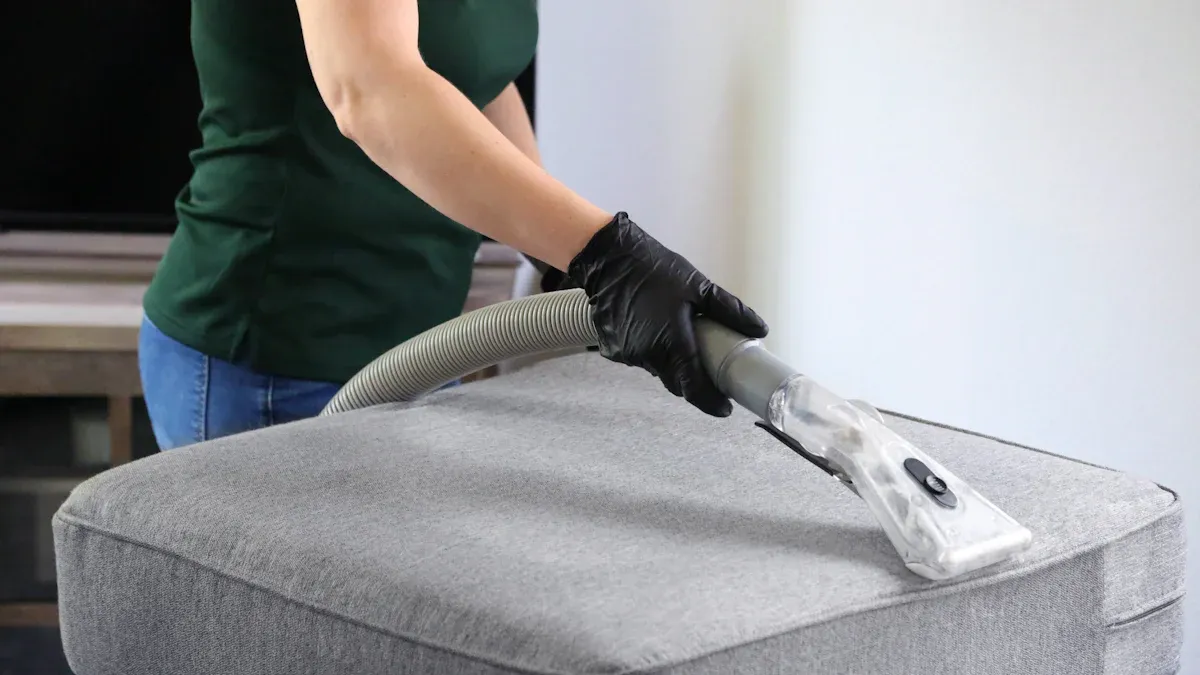
Sometimes your carpeted stairs need more than just regular vacuuming or spot treatment. A deep clean truly revitalizes your stairs. It removes embedded dirt, allergens, and grime that routine cleaning misses. This process restores your carpet’s appearance and improves your home’s air quality.
When to Deep Clean Your Stairs
You should consider a deep clean when your stairs look dull, feel sticky, or have lingering odors. These are signs that dirt and debris have settled deep into the carpet fibers. If you have pets, children, or high foot traffic, you might need to deep clean more often. A thorough deep clean also extends the life of your carpet. It prevents abrasive particles from damaging the fibers. This saves you money on costly replacements.
Using a Carpet Cleaning Machine
A carpet cleaning machine offers a powerful way to deep clean your stairs. You can rent machines like a Rug Doctor or use a personal steam cleaner with special stairs and upholstery attachments. These machines provide a professional-level clean. A ‘3-in-1 stair tool’ is also an excellent option. It works with upright, portable, and canister carpet cleaners.
Follow these steps for effective machine cleaning:
Pre-spray risers: As you go up the stairs, pre-spray the risers.
Pre-spray treads: Come back down the stairs and pre-spray the treads.
Clean risers: Stand up and use your machine, facing the carpet fibers and away from you. Clean the risers from base to top.
Clean treads: Come back down. Clean the treads while standing two steps below the one you are cleaning. This method allows you to clean both risers and treads while standing. It reduces back strain.
For machines like the Oreck Orbiter, center the pad to prevent shakiness. If your risers are heavily soiled, you might need a different machine. An OLD HOS Micro with an extension handle works well. The Oreck may not clean risers effectively, especially if your stairs lack a bullnose. For stairs with protruding bullnoses, the Oreck Orbiter may not reach the risers. In this case, use a long-handled soft broom for the risers. When you use the Oreck with microfiber pads, you can keep the machine on. Then, flip it down to the next stair with two hands.
Warning: Avoid spraying cleaning solutions directly onto the carpet. This can push dirt deeper into the fibers. Always apply solutions to a cloth first. This helps you achieve a more professional result.
Manual Deep Cleaning Options
You can also deep clean carpet on stairs manually. This method requires more effort but gives you excellent results.
Carpet Cleaning Solution: Choose a solution safe for your carpet type. Sprays and foams are good options for deeper cleaning and stain removal.
Homemade Stain Remover: A simple solution of equal parts water and white vinegar can treat most stains. Apply it, let it sit, then gently scrub with a soft-bristled brush.
Baking Soda: Sprinkle a light dusting over the stairs before vacuuming. This neutralizes odors. You can also mix baking soda with water to form a paste. Apply this directly to stubborn stains.
White Vinegar: This is a versatile cleaner. You can dilute it with water in a spray bottle. Use it alone or combine it with baking soda.
Eco-friendly Products: Natural soaps and detergents made from plant-based ingredients offer effective and environmentally safe alternatives. Brands like Method or Seventh Generation provide professional-grade cleaning without harsh chemicals.
For manual cleaning, apply your chosen solution to a stiff broom or scrub brush. Work the solution into the carpet fibers. Focus on high-traffic areas and visible stains. This manual agitation helps lift embedded dirt.
Ensuring Proper Drying After Deep Cleaning
Proper drying is crucial after deep cleaning. It prevents mold growth, mildew, and carpet delamination. You want to avoid these issues for a truly professional outcome.
Enhance Airflow: Open windows and doors for cross-ventilation. Use ceiling or portable fans to circulate air. This speeds up evaporation.
Utilize Dehumidifiers: In humid environments, dehumidifiers remove excess moisture from the air. This helps your carpet dry faster.
Employ Wet/Dry Vacuums: After cleaning, use a wet/dry vacuum. Extract as much water as possible from the carpet fibers. This significantly reduces drying time.
Apply Baking Soda: Sprinkle baking soda over damp areas. It absorbs moisture and neutralizes odors. Vacuum the residue after a few hours.
Avoid Heavy Foot Traffic: Limit walking on damp carpet. This prevents compressing fibers and slowing the drying process. It also stops you from tracking in new dirt.
Several factors affect drying time. Thicker carpet retains more moisture and takes longer to dry. Warm air speeds up evaporation. High humidity slows down the process. Good airflow accelerates drying. A professional approach to drying ensures your stairs are fresh and clean. You avoid the need for professional intervention later.
Maintain Your Clean Carpet Stairs
Maintaining your carpeted stairs keeps them looking great and extends their life. A consistent approach prevents dirt buildup and keeps your home fresh.
Establish a Consistent Cleaning Schedule
A regular cleaning schedule is crucial for your stairs. You should vacuum at least twice a week, especially in busy homes. Use a handheld vacuum or one with a hose attachment. Specialized tools like crevice tools or motorized brushes help with thorough cleaning. Address stains immediately. Blot them with a clean cloth. Avoid rubbing. Then, gently dab with a mild dish soap and warm water solution. For tougher stains, use a carpet cleaner designed for delicate fibers. Always test it on a hidden spot first. Shampoo your carpet at least four times a year to maintain its appearance. Use a carpet shampoo suitable for your carpet type. Apply it with a scrub brush, following instructions. Schedule professional deep cleaning every 12 to 18 months. Do this more often for heavy use or homes with pets. This removes deeply embedded dirt and allergens. It also extends the carpet’s lifespan.
Address Spills and Stains Immediately
You must address spills immediately. This prevents lasting damage to carpet fibers. Keep a clean cloth and gentle carpet cleaner ready for accidents. Blot spills instead of rubbing. This preserves carpet texture. It also prevents stains from setting. A protective spray can create a stain-resistant barrier. This simplifies future cleanups. Blot the spill with a clean, dry cloth. Absorb as much liquid as possible. Apply a stain remover suitable for your carpet type. You can also use a solution of white vinegar and water. Let the solution absorb for a few minutes. Then, dab with a clean cloth. Repeat this process if needed until the stain is gone. Act quickly to prevent permanent stains.
Utilize Doormats to Prevent Dirt Accumulation
Doormats are simple but effective tools. Place them at all entrances to your home. They trap dirt and debris before it reaches your stairs. This significantly reduces the amount of soil tracked onto your carpet.
Consider Professional Cleaning Services
Sometimes, your stairs need professional help. Professional cleaning services offer many benefits. They remove difficult, deep-set stains that DIY methods cannot handle. They improve indoor air quality. Professional cleaning prolongs the carpet’s lifespan. It effectively removes stains and odors. Professional stair carpet cleaning uses specialized equipment and solutions. They have expertise in stain removal and deep cleaning techniques. This saves you time. You should consider professional cleaning when your carpeted stairs have heavy stains. Also, consider it if there are deep-set odors or significant wear. Look for a certified and experienced professional company. They should use safe, eco-friendly solutions and a multi-step cleaning process.
This guide covered effective methods for cleaning carpeted stairs. You learned about DIY cleaning techniques like vacuuming, spot treating with solutions such as Dawn dish soap, and deep cleaning with carpet shampoo or steam. Essential tools include stiff brushes, vacuums, and carpet shampoo. Consistent cleaning is vital for your carpet. It prevents stubborn stains and extends your carpet’s lifespan. You can confidently clean carpet stairs and achieve satisfying results for your stairs.
FAQ
What is the recommended vacuuming frequency for carpet stairs?
You should vacuum your carpet stairs at least once a week. If you have pets or high traffic, vacuum more often. This prevents dirt from settling deep into the fibers.
What should you do when you see a stain on your carpet stairs?
Act quickly. Blot the stain with a clean cloth. Do not rub. Apply a suitable cleaning solution. Then, blot again until the stain lifts.
What indicates it is time for a deep clean on your carpet stairs?
Deep clean your stairs when they look dull, feel sticky, or have lingering odors. This means dirt has settled deep into the carpet fibers.
What is important for proper drying after deep cleaning carpet stairs?
Ensure proper airflow by opening windows or using fans. Use a wet/dry vacuum to extract water. This prevents mold and speeds up drying.


