Your outdated red brick fireplace often feels like a design challenge when you’re aiming for a modern aesthetic in your home. Fortunately, DIY fireplace makeovers offer a powerful solution. You can achieve a fresh, contemporary look for your fireplace with an accessible makeover. This guide explores many design ideas and practical steps for transforming your red brick fireplace into a stunning focal point.
Updating Your Red Brick Fireplace
Outdated Aesthetics
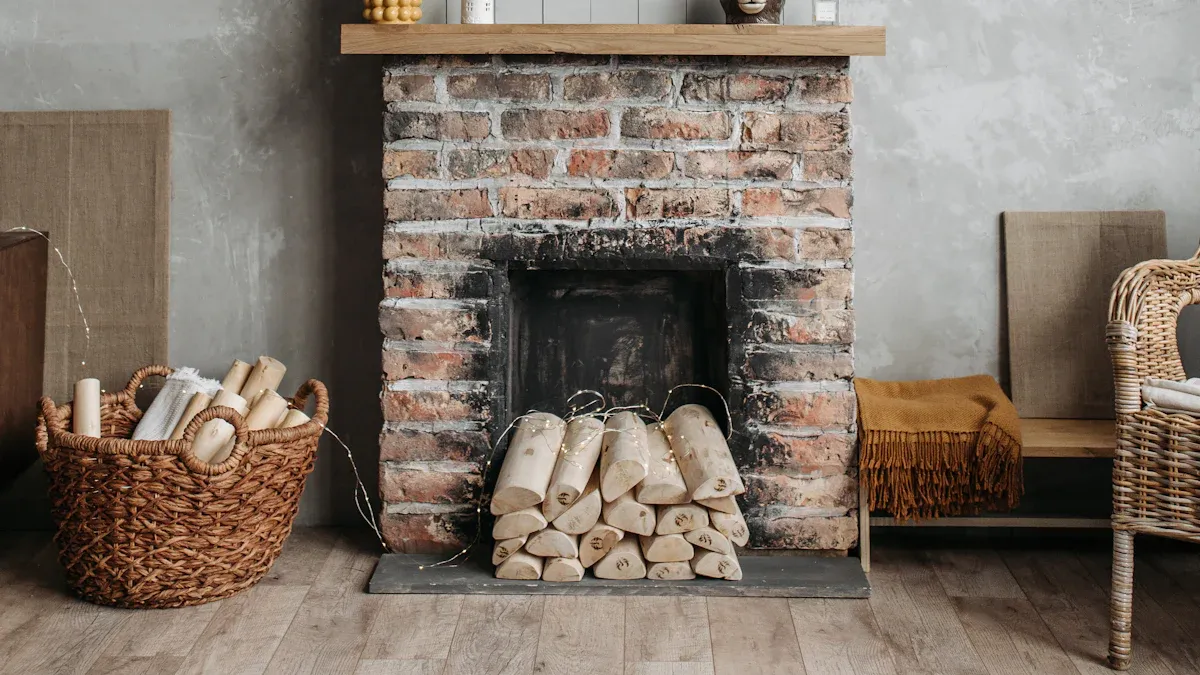
Your old red brick fireplace often feels like a relic. It does not fit well with modern home designs. Over many years, the brick can show discoloration. This makes the surface look dull and worn. The classic red brick aesthetic may not complement your current style. It can appear too dark in your living space. Sometimes, the sheer amount of brick feels overwhelming for the room. An old-fashioned fireplace can become an eyesore. It does not align with today’s clean and bright trends. You want your home to feel fresh and updated. An outdated red brick fireplace prevents this desired look. It pulls your room’s style backward instead of forward.
Dominant Visual Presence
A large red brick fireplace often dominates a room. Its size and strong color naturally draw all attention. This can make the entire space feel heavy and unbalanced. It takes away from other carefully chosen design elements. You want a balanced and harmonious room. A prominent, un-updated fireplace can disrupt this desired balance. It becomes the main focal point, but not in a positive way. You need to control its visual impact. You want the fireplace to enhance the room, not overpower it.
Lack of Cohesion
Your red brick fireplace might clash significantly with your decor. You have modern furniture, sleek lighting, and contemporary paint colors. The old, rustic brick does not match these elements. This creates a disjointed and inconsistent look. Your home needs a unified design where everything works together. An outdated red brick fireplace breaks this unity. It prevents your room from feeling complete and well-designed. You want all parts of your home to work together seamlessly. A modernized fireplace helps achieve this cohesive and inviting atmosphere.
Preparing for Your Fireplace Makeover
Safety and Cleaning
Safety comes first for any home project. Before you start any fireplace remodel, check local building codes. These codes ensure your project meets safety standards. They prevent risks to your home. Codes often cover clearance distances and fireproofing materials. They also cover ventilation and structural safety. Next, inspect your existing fireplace. Look at the chimney, firebox, hearth, and surrounding areas. Check for any damage or wear. This assessment helps you understand the work scope. It identifies issues you must fix before the makeover. Clean the fireplace thoroughly. Remove soot, dust, and debris. A clean surface helps new materials stick better.
Tools and Materials
You need specific tools for your fireplace makeover. Essential tools include a 3-lb. maul and a 3/4-in. round-notch trowel. You also need 5-gallon buckets and an angle grinder. A brick set chisel and a chalk line are useful. Do not forget a drill, margin trowel, and oscillating multitool. You might rent a rail tile saw. Gather your materials too. You will need 1/2″ cement board and a 2 x 4 x 8 ft. board. Cement board screws are necessary. Duct tape, hardboard, and metal edging are also important. Get modified thin-set, painter’s tape, and porcelain tile. Rosin paper completes your list.
Protecting Your Space
Protect your room before you begin. Lay down drop cloths. Cover your floors and furniture. Use painter’s tape to secure plastic sheeting. This protects walls and nearby items. Dust and debris can spread easily. Proper protection makes cleanup much simpler. It also prevents damage to your home.
DIY Fireplace Makeover Techniques
You can transform your outdated red brick fireplace with various DIY techniques. These methods offer different looks and levels of effort. You can achieve a modern aesthetic that fits your home’s style.
Painting for a Fresh Look
Painting your red brick fireplace offers a dramatic change. It gives your fireplace makeover a clean, updated appearance. You need the right type of paint for brick surfaces. Acrylic latex paint works best, especially formulas made for masonry.
First, prepare the surface. Use a masonry primer. Apply it with a roller, pushing it into all the brick crevices. Use a brush for tight spots. Let the primer dry completely. Next, apply the first coat of paint. Paint around the edges with a brush. Use a roller with a ¾-inch cover for larger areas. Ensure even coverage. Let this coat dry. Most fireplaces need at least two coats for full coverage. Apply more coats until you reach your desired finish. This diy painting or whitewashing method provides a fresh, new look.
Whitewashing for Softness
Whitewashing softens the harshness of a red brick fireplace. It creates a more subtle, aged appearance. This technique uses diluted latex or water-based paint. It coats the surface with an opaque layer. Sometimes, this can result in a flat look or peel over time.
You can use a Romabio Fireplace Kit for this diy painting or whitewashing project. It includes limewash paint, a masonry brush, and instructions. You will also need a spray bottle with water, plastic drop cloths, a mixing bucket, and towels.
Here is how you can whitewash your fireplace:
Apply a Base Coat: Use complementary colors like Brown Derby and Windsor. This tones down the brick’s natural red. Some original tones will show through. Feather the paint along edges to avoid harsh lines. Let it dry for 10-15 minutes.
Prepare the Whitewash Mixture: Mix Bauhaus Buff paint with water. This creates a diluted whitewash effect. For grout lines, use undiluted Bauhaus Buff for a more intense white.
Apply the Whitewash: Apply the diluted mixture over the bricks in sections. Allow some base color to show for a natural aged look. Use a damp sponge to soften edges and blend colors.
Touch Up and Adjust: If bricks appear too bright, spray them with water. Wipe off some whitewash. Add more whitewash for increased coverage or to highlight areas.
Blend and Finalize: Use a sponge to remove excess whitewash. Blend the paint for a cohesive look. Make adjustments until you achieve the desired effect.
Alternatively, you can follow these steps:
Clean the Brick: Remove loose dirt and cobwebs with a stiff-bristled brush. Wash with warm water and mild detergent. Rinse and dry completely.
Create the Whitewash Mixture: Mix paint and water, usually in a 1:1 ratio. It should have a milk-like consistency. Test it on an inconspicuous area.
Apply the Whitewash: Start in a corner. Apply the mixture with an angled brush in small sections. Immediately follow with a clean rag or sponge. Dab and blend the paint. Adjust pressure for desired coverage. Work quickly because the paint dries fast.
Address Challenges: For uneven absorption, apply a second coat or a thicker mixture. For blending new and old mortar, use undiluted paint on newer mortar lines. Blend with a damp rag.
Finishing Touches: Remove tape. Touch up missed spots. Consider a clear sealer for protection. This makeover technique gives your fireplace a soft, inviting feel.
German Smear Technique
The German Smear technique gives your red brick fireplace a unique, old-world charm. It creates the illusion of imperfectly shaped bricks. This look is reminiscent of old European cottages. This method adds texture and “visual weight” to the fireplace. It results in a distressed finish that draws the eye. It offers a similar aesthetic to whitewashed brick. It is also more forgiving to apply. This technique contributes to a cozy and bright appearance.
You can achieve different visual effects:
Heavy plaster build-up: The entire wall is covered. Only the shape of the bricks remains visible.
Heavy and thin in random areas: This combines thick and thin mortar application across the surface.
Thin application all over: Mortar is applied thinly everywhere. Grout lines are kept white.
Very thin application: This creates a mortar wash or whitewashed brick effect.
Here are the steps for applying the German Smear:
Fill Grout Lines: Begin by piping mortar into the grout lines using a bag. The amount of mortar depends on the depth of the grout lines. A piping bag works better than a putty knife alone for filling all cracks.
Smear the Mortar: Hold a putty knife at a 45-degree angle. Wipe excess mortar from the joint across the adjacent bricks. Work in 1-foot sections. Precision is not required. Smearing in multiple directions often yields a better result.
Vary Application: Cover some bricks completely with a thin layer of mortar. Apply it thickly to others. Leave some spots entirely free of mortar. This creates an irregular, authentic finish with varying heavy and lighter sections.
Adjust as Needed: If you want more mortar, pipe it onto the wall or scoop it with the putty knife. For less mortar, scrape away excess. Periodically step back to assess your progress. Ensure you are satisfied with the amount of brick showing through and the mortar thickness. It is easier to add more mortar later, even after drying.
Tiling with Modern Materials
Tiling your fireplace surround offers endless design possibilities. It provides a durable and stylish update. When choosing tiles, consider their size, shape, and scale. These should complement your fireplace and room dimensions. Large tiles can make a small fireplace appear larger. Small tiles add detail. The scale should harmonize with the room size. This prevents overwhelming or getting lost.
Tiles must be heat resistant. Ceramic, porcelain, and natural stone are excellent choices. They have high heat resistance. Regular cleaning with a soft cloth and mild detergent is usually enough. Avoid harsh chemicals that could damage the tile surface.
Tile works well for fireplaces because it is:
Heat-Resistant: It withstands heat generated by a fireplace.
Durability: It resists chipping or staining in high-traffic areas.
Easy Maintenance: It wipes clean easily, especially important for wood-burning fireplaces.
Design Versatility: It comes in endless colors, textures, and finishes. It matches any aesthetic.
Modern trends for 2025 include bold patterns and geometric designs. Think Moroccan-style tiles or herringbone/chevron layouts. Color contrast tiles, like black and white or navy and gold, are popular. Modern and slick options include large-format porcelain tiles in solid neutral tones. Glossy subway tiles with ultra-thin grout lines also work. Metallic finishes like bronze, silver, or gunmetal add a sleek touch. Natural looks feature stone-look porcelain tiles. These mimic slate, travertine, or granite. Wood-look tile and terracotta/clay tiles offer earthy tones.
Suitable tile types include:
Ceramic: It withstands heat well. It is durable and has been used for centuries. Thicker tiles offer extra durability.
Porcelain: Fired at higher temperatures, it stands up to high heat like ceramic. It offers more design options. Extra-large porcelain slabs provide a seamless look.
Glass & Metal: Both are stunning choices. They reflect light beautifully. They stand up to high temperatures. They have been tested in kitchen backsplashes.
Natural Stone: This is an excellent choice for a natural look. It performs well in high temperatures. It is extremely durable. Stone-look porcelain tiles are also an option.
For installation, installers usually recommend thin-set mortar and a narrow grout joint. Non-sand and non-acid grout are recommended. MAPEI Kerapoxy Design is suggested for best results. Most wall tiles are suitable, but always check for high-temperature application recommendations. Backsplash tiles are often a good indicator. They are designed to withstand higher temperatures around stoves. Choose non-combustible rated tile for the hearth and surround. This includes porcelain, ceramic, marble, and glass. Consider grout as a design element for contrast. Opt for high-temperature grout or heat-resistant tile adhesive. This diy fireplace makeovers approach gives you many choices for your fireplace makeover.
Peel-and-Stick Tile Options
Peel-and-stick tiles offer a quick and easy makeover for your fireplace. They are a good option for temporary updates or renters.
Benefits of Peel and Stick Tiles | Limitations of Peel and Stick Tiles |
|---|---|
Easy installation without special tools or professional skills. | Lower durability compared to traditional tiles, especially in high moisture or foot traffic areas. |
Affordable and cost-effective compared to stone or ceramic tiles. | Adhesion concerns on textured, uneven, or humid surfaces, leading to peeling. |
Versatile and stylish with various designs, colors, and textures (stone, vinyl, marble, wood). | Sensitivity to heat (e.g., near stoves) and moisture (e.g., in bathrooms) can weaken adhesive. |
Temporary and renter-friendly, easily removable without damage, allowing for decor changes. | Inapplicable for floors in busy rooms due to lower load-bearing capacity and vulnerability to scratches/dents. |
Suitable for quick refurbishments or temporary solutions. | Not ideal for long-term durability in hot or humid conditions. |
Not suitable for permanent, high-quality refurbishments. | |
Not recommended for flooring that will endure heavy use. |
Mantel and Surround Updates
Updating your mantel and surround significantly changes your fireplace‘s look. For an industrial aesthetic, consider metal mantels. Pair them with your red brick fireplace and raw, unfinished materials.
Popular materials for fireplace surrounds include:
Ledgestone veneer
Tile
Granite
Brick
For fireplace mantels, popular designs and materials include:
Barn wood for a rustic feel.
Custom Mission oak for a classic touch.
Oversized white painted wood with carved columns and molding for elegance.
Traditional oak with dentil molding and carved columns.
Sleek, minimalist designs for a modern look.
Built-in Shelving
Adding built-in shelving around your fireplace creates storage and visual balance. This is a great addition to your diy fireplace makeovers. Plan for low-voltage wiring for speakers and other A/V components early. Consider running plastic conduit. This allows for future wiring changes. Opportunities to run cables are limited once the face-frame and crown molding are installed.
If you have a gas fireplace, decide on the placement of its switch. A battery-operated remote switch can be a convenient alternative. This is useful if a wall-mounted switch is problematic. Aim for symmetry, especially if the fireplace is centered on the wall. Ensure bookcases are roughly the same width. Vertical fascia panels should be consistent. Minor discrepancies in measurements are often unnoticeable. This is true if overall symmetry is maintained. When measuring and cutting materials, keep the ’12/48 rule’ in mind. This minimizes waste. For example, designing shelves to be 11 inches deep allows for four shelves from a 4×8 sheet with minimal waste. Making base cabinets 48 inches wide and bookcases slightly less than 24 inches wide optimizes the use of 4×8 foot panels. This avoids waste or seams.
Modern Fireplace Design Styles
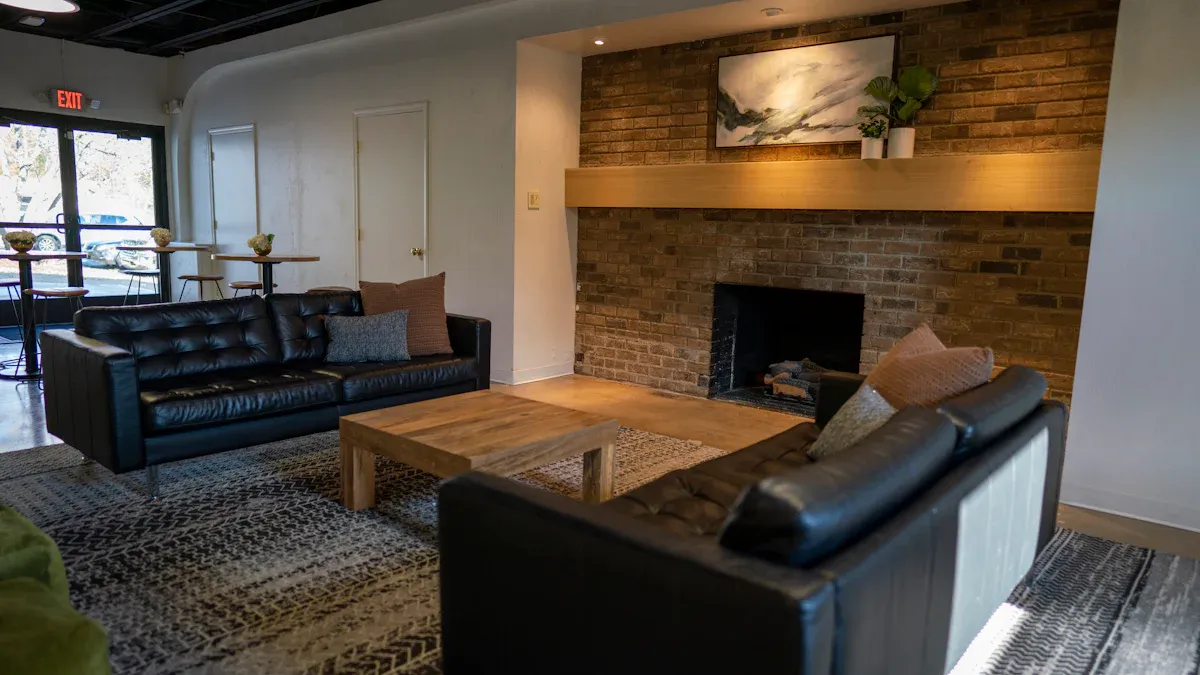
You can transform your red brick fireplace into a stunning focal point. Different design styles offer unique ways to update your decor. Each style makes your fireplace a cozy, inviting centerpiece.
Minimalist Elegance
Minimalist elegance focuses on simplicity and clean lines. You remove ornate details and focus on essentials. This creates a calm and spacious atmosphere in your home. High-quality materials and textural contrasts make the fireplace a subtle yet powerful focal point. Modern fireplaces feature sleek, geometric lines. These lines can be sharp and angular or smoothly curved. This design ensures your fireplace integrates seamlessly with its surroundings. It often appears as a natural extension of walls or furniture.
Every element in minimalist design serves a clear purpose. You will find an absence of superficial decoration. This style adheres to the ‘less is more’ principle. You utilize raw materials in their natural state when possible. You carefully consider space and natural light. A restricted color palette is common, with occasional accent colors. Open-plan layouts often incorporate ample storage to minimize clutter.
For wall colors, consider warm greys, like brown-grey tones. These enhance your fireplace and create a sophisticated backdrop. Avoid blue-grey tones, as they can feel cold. Painting your fireplace white creates a sleek, clean, and modern aesthetic. It makes the room feel larger and more open. This versatile color complements any decor. You can also paint the fireplace the same color as your walls. This creates a seamless, minimalist look. It allows the fireplace to blend into the room. Natural stone, arranged in a linear pattern, adds texture and order. Light limestone, combined with other natural materials, feels light and bright. For an ultra-modern look, use simple finish materials like drywall and concrete. This allows the fire itself to be the focal point.
Rustic Chic
Rustic chic blends rustic warmth with modern sophistication. This style creates a welcoming, lived-in feel. It highlights texture and organic patterns. This grounds your room in natural charm. Your fireplace becomes the cozy heart of the house. Imagine a corner stacked stone fireplace in a mountain home. It offers warmth and ambiance. It complements soaring wood beam ceilings and expansive windows.
You use materials like granite, slate, fieldstone, and rough-cut stone. Reclaimed wood is also a popular choice. Design elements include chunky wood mantels and wrought iron accents. Oversized hearths and earthy tones define this style. You might pair a polished granite surround with a reclaimed wood mantel. Another option is a sleek linear insert framed by textured stone. This combination makes your red brick fireplace feel both grounded and refined. This style makes your fireplace a central part of your home’s inviting decor.
Industrial Edge
An industrial edge aesthetic gives your fireplace a raw, urban feel. You incorporate raw, unfinished materials. Think exposed ductwork and concrete. You can use a ‘Loft Forge’ front for your fireplace. ‘Iced Fog’ glass media adds a modern touch. You might omit a mantel entirely. A ‘Polished Concrete Wall’ face stone or ‘Traditional worn brick’ works well. Consider a ‘Forge front with wrapped wire and exposed fasteners’. A ‘Black metal interior liner’ enhances the look. For a mantel, a ‘Battlefield mantel’ with a ‘Distressed Alder’ finish fits this style.
Custom metal mantles are heat-resistant, long-lasting, and customizable. Industrial finishes like brushed steel provide a modern edge. You can pair a blackened steel mantel with exposed brick. This creates a striking contrast. This style makes your red brick fireplace a bold statement piece. It adds a strong, contemporary element to your decor.
Scandinavian Simplicity
Scandinavian simplicity focuses on functionality, natural light, and light colors. This style creates a bright, airy, and cozy atmosphere. You emphasize clean lines and minimal clutter. Natural materials like light wood, wool, and linen are common. Your fireplace becomes a source of warmth and comfort. It fits seamlessly into a calm and inviting space.
You often see white or light grey walls. These colors maximize natural light. They make your room feel larger. A simple, unadorned mantel is typical. You might use light-colored tiles or a smooth plaster finish for your fireplace surround. The focus is on comfort and practicality. You choose decor that serves a purpose. This style transforms your red brick fireplace into a serene and functional element. It enhances the overall peacefulness of your home’s decor.
Budget-Friendly Fireplace Makeovers
You can give your fireplace a fresh look without spending a lot of money. Many budget-friendly ideas exist for your fireplace makeover. You can achieve a stunning transformation with smart choices.
Cost-Effective Materials
Paint is a primary cost-effective material. It quickly changes the look of any room or feature. Black paint creates a sleek, modern statement. It hides imperfections and highlights texture. Layered monochromatic paint gives an unexpected and playful look. The German Smear technique uses wet mortar to cover brick. This is a great way to give your fireplace a makeover. It hides flaws or uneven brick patterns.
Consider other affordable materials. Decorative gas balls update a gas fireplace. They offer a modern, sculptural focal point. Plaster adds depth and warmth to a fireplace surround. Wood for a mantel is an affordable and minimalist option. It introduces warmth and character. Microcement updates brick, tile, or sheetrock fireplaces. It provides a chic, stucco-like finish. Molding is less expensive than enlarging the fireplace itself. It adds a dramatic look and presence. Unique tile patterns, like herringbone, give your fireplace an entirely fresh look.
Upcycling Existing Elements
You can reuse many parts of your existing fireplace. Carefully remove your old mantel and surround. They are usually held by nails or screws. You can prep, prime, and paint old tile. Sand the tile first to create a rough surface. Then, prime it for paint adhesion. Finally, apply paint. You can build a new mantel using budget-friendly wood. Cut the pieces to size.
You can also paint or stain your old fire surround. Use appropriate paint for wood, marble, brick, or stone. Sand and stain wood surrounds for a new look. If you do not use your fireplace, turn it into a pet area. Add blankets and toys. Fill it with attractive firewood for a rustic look. Create a book nook by stacking books in the open space. Use candles or battery-powered lanterns for a cozy ambiance. Tiling the surround is a DIY project. Building a stone-veneer fireplace surround offers a rustic look. It avoids the weight and expense of full stone.
Smart Shopping
Smart shopping helps you save money on your fireplace decor. You can find affordable decor from thrift stores. Discount stores like Gordmans offer great deals. One person decorated their entire fireplace for under $100. They found clearance vases for less than $15 each. Artificial leaf stems cost $1 each.
Adding a touch of paint transforms tired brick. It turns your fireplace into a modern masterpiece. You can turn brick into stone using faux stone panels. These are lightweight and easy to install. This can be a weekend project. Add a mantel. You can DIY a mantel for less than a fancy dinner. Tile your fireplace surround with subway tiles or mosaics. This creates a unique look. Remember to use heat-resistant thin-set mortar near the firebox. Accessorize with affordable items. A giant mirror, fresh-cut flowers, or a fire screen are good choices. Accessories are not permanent. You can switch them out with seasons or decor changes. This helps your budget.
Your diy fireplace makeovers can truly transform your home. It adds significant aesthetic appeal and value. Embrace your creativity. Personalize your fireplace to reflect your unique style. A successful diy fireplace makeovers project brings great satisfaction. You will enjoy your newly modernized space. This simple makeover makes a big difference.
FAQ
What kind of paint should you use on a brick fireplace?
You should use acrylic latex paint. Formulas made for masonry work best. Always apply a masonry primer first. This helps the paint stick well to the brick surface.
What is the German Smear technique?
The German Smear technique uses wet mortar to cover brick. You smear mortar over the bricks. This creates a distressed, old-world look. It adds texture and visual interest to your fireplace.
What types of tiles work best for a fireplace?
Ceramic, porcelain, and natural stone tiles work best. They are heat-resistant and durable. These materials withstand the heat from your fireplace. They also offer many design options.
What are some budget-friendly ways to update a fireplace?
Painting your fireplace is a cost-effective option. You can also use peel-and-stick tiles for a quick update. Upcycling your old mantel or adding simple built-in shelves also saves money.