
Do you dream of a brighter, more inviting living space? You can achieve a stunning room transformation by learning how to paint a red brick fireplace white. This DIY project offers immense satisfaction, instantly updating your home with that coveted modern farmhouse style. While some experts suggest a fireplace can add value, like the 40% of buyers who would pay more for one, its true reward often lies in creating a beautiful focal point you’ll love. Many homeowners express strong affection for their hearths, proving a painted brick fireplace transformation is truly for you.
Key Takeaways
Painting your red brick fireplace white makes your room brighter. It gives your home a modern farmhouse look.
A white fireplace creates a neutral background. This lets you change your room’s decorations easily.
Gather all your cleaning supplies, primer, and masonry paint before you start. This makes the project go smoothly.
Clean the fireplace well and fix any cracks. Then, apply a good primer before you paint.
Apply thin coats of white paint. Let each coat dry completely for a smooth finish.
Why Paint Your Brick Fireplace White
Instant Brightness and Modernization
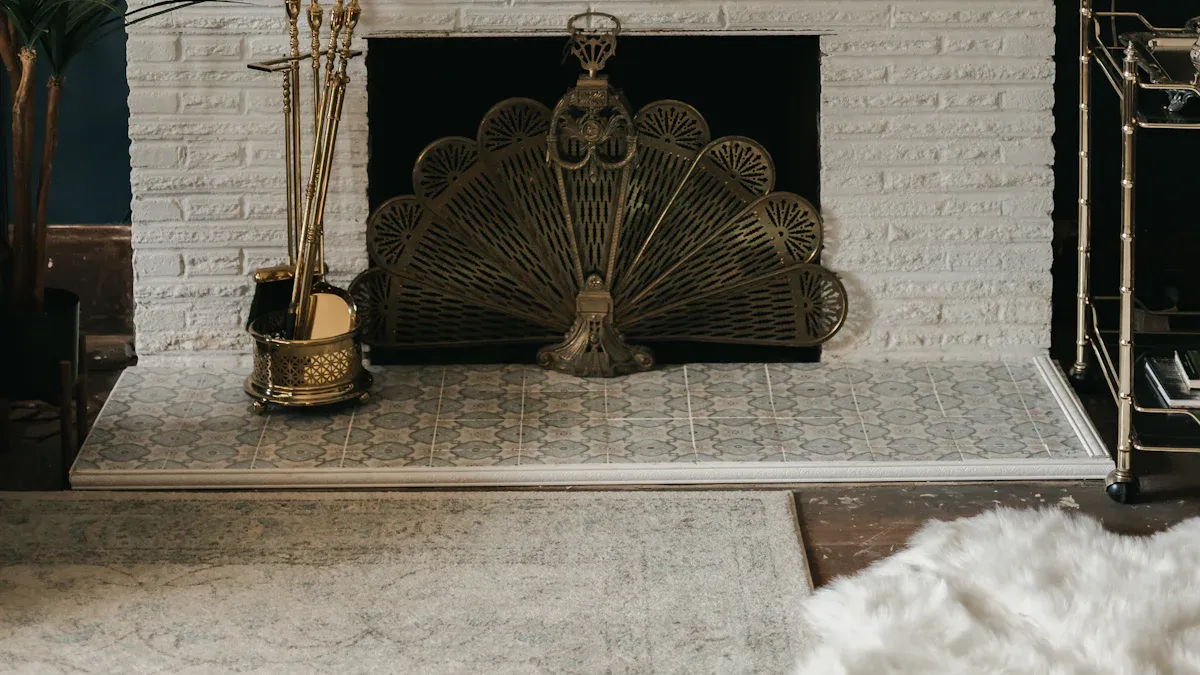
Painting your red brick fireplace white offers an immediate and dramatic change. You instantly brighten your living space. Lighter colors reflect more light, making your room feel larger and more open. A fresh coat of white paint transforms your fireplace into an architectural feature. It gives your home an updated modern look. Many homeowners choose a solid white shade to achieve this. This simple change modernizes the space and gives it a fresh, updated feel. You will love how a white fireplace makes your room feel airy and stylish.
Creating a Neutral Canvas
A white fireplace provides a perfect neutral backdrop for your home decor. It adapts easily to different design aesthetics. Crisp whites create clean lines and minimal drama. This fits well with modern and contemporary styles. You can easily change your decor around a white fireplace. It allows other colors and textures in your room to stand out. Think of it as a blank canvas. This versatility means your fireplace will always complement your evolving style. You can pair it with warm grays, greiges, or even soft blues and greens for a sophisticated palette.
Complementing Farmhouse Decor
If you love the modern farmhouse style, a white fireplace is essential. It perfectly complements this popular aesthetic. A white brick fireplace makeover creates a simple and serene look. This suits a modern space much better than traditional red bricks. You can easily style your white fireplace with farmhouse elements. Consider a simple wooden mantel, framed art, and lush greenery. Neutral-toned books and furnishings also look great. Gold accents and simple artwork further enhance the charm. Your white fireplace will become the cozy focal point of your farmhouse-inspired home.
Gather Materials to Paint a Brick Fireplace
Before you begin to paint a red brick fireplace white, gathering all your supplies is key. This step makes your project smooth and stress-free. You will save time and avoid interruptions. Here is a list of what you need to transform your fireplace.
Cleaning and Protection Supplies
First, you need to clean your fireplace thoroughly. You will need a wire brush to remove dirt, soot, and loose debris from the brick surface. For a deeper clean, use a sponge with a cleaner and/or degreaser. This helps get rid of set-in dirt, stains, and grime. A bucket and rags are also essential for cleaning. After wire-brushing, an industrial vacuum cleaner is great for picking up debris; regular vacuums might not be strong enough.
Protecting your home is also important. Lay down drop cloths to cover your floors and furniture. Use painter’s tape to mask off edges, like your mantel or walls. Don’t forget your personal safety! Wear gloves to protect your hands and safety glasses to shield your eyes.
Essential Painting Products
Now, let’s talk about paint. You will need a good primer for masonry. This seals the brick and stops old colors from bleeding through your new white paint. For the topcoat, choose white paint specifically for masonry or fireplaces. If you plan to paint the firebox, you must use heat-resistant paint. This paint can handle temperatures up to 750 degrees Fahrenheit. Sherwin-Williams recommends their premium ProClassic® Waterborne Interior Acrylic Enamel for fireplaces. It handles high temperatures well.
For a whitewashed look, you can mix flat latex paint with water. You will also need paint brushes for detailed areas and mortar lines. A paint roller and a paint tray will help you cover larger brick surfaces quickly.
All-in-one paint combines the primer, paint, and topcoat into one product, making it a convenient option for those who want to complete their painting project quickly and efficiently.
Consider an all-in-one paint if you want to save time. This type of paint is often VOC-free and works on many surfaces. It can make your project to paint a brick fireplace much faster.
Optional Tools for Prep
Some extra tools can make your preparation even easier. A fan helps with airflow and reduces paint fumes. If your fireplace has carvings, a sanding sponge can conform to those shapes better than regular sandpaper. For cleaning out the firebox, a HEPA vac is very effective. A multi-surface cleaner and a clean rag are also handy for wiping down the fireplace facing before you start.
How to Paint a Brick Fireplace: Step-by-Step
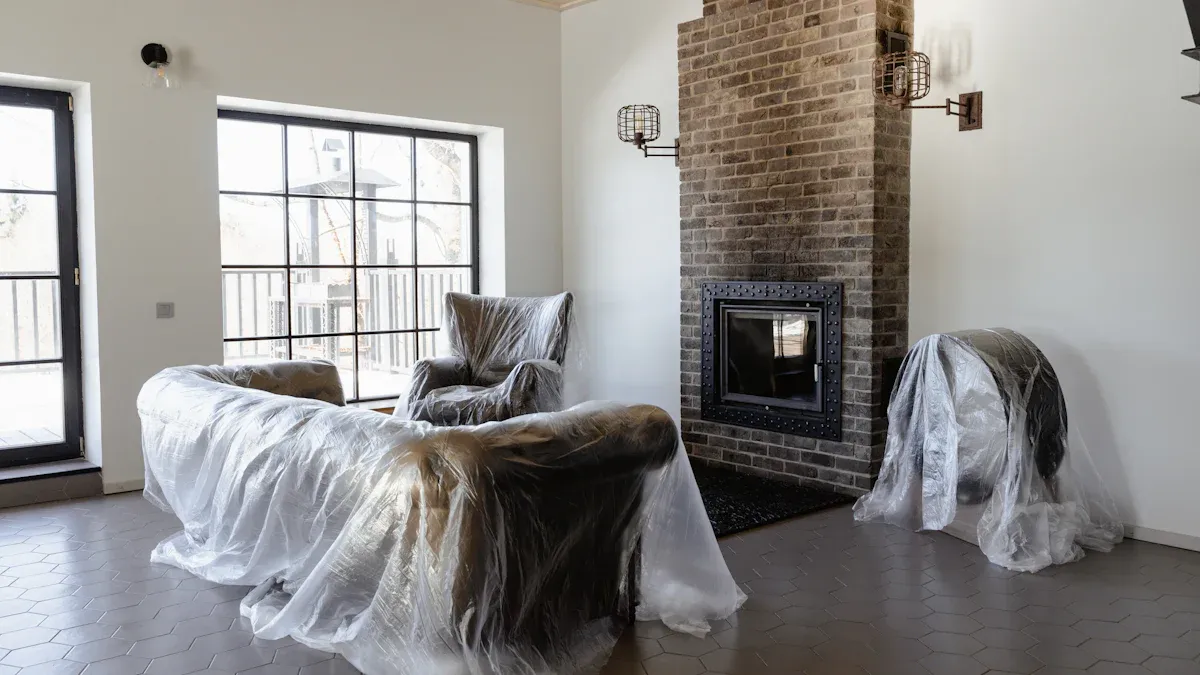
Transforming your fireplace with a fresh coat of paint is a rewarding project. Knowing how to paint a brick fireplace correctly ensures a beautiful, lasting finish. Follow these steps carefully to achieve your desired modern farmhouse look.
Prepare and Clean the Fireplace
Preparation is the most crucial step when you want to paint a red brick fireplace white. You must thoroughly clean your fireplace to remove all soot, dust, and debris. This allows the paint to adhere properly. Start by using a wire brush to scrub away loose dirt and any flaking material. Then, vacuum the area to pick up all the loose particles.
For stubborn soot stains, you need a powerful cleaner. Trisodium Phosphate (TSP) is highly effective for tackling tough soot accumulation. You can also use a solution of dishwashing soap combined with an abrasive agent like salt or fine-ground pumice stones. This mixture works excellently for soot on brick surfaces. Apply your chosen cleaner, scrub well, and then rinse the area thoroughly with clean water. Let the fireplace dry completely, which might take 24 to 48 hours. Moisture can cause paint adhesion problems.
Repair and Prime the Brick
After cleaning, inspect your fireplace for any cracks or damage. You should repair these with a suitable masonry caulk or filler. Once repairs dry, you are ready to prime. Priming is essential to seal the brick and prevent its original color from bleeding through your new white paint.
You need a good masonry primer. For example, DRYLOK® Wet Wall Bonding Primer is an acrylic primer designed for masonry projects, including brick. It features a stain-blocking formula that helps prevent bleed-through. This primer also offers superior bonding and resistance to efflorescence and mold. Apply a thin, even coat of primer to all brick surfaces. If you notice any yellow or red stains bleeding through the first coat, apply a second coat of primer to those specific areas. This ensures a uniform base for your paint.
Apply White Paint Coats
Now comes the exciting part: applying the paint! When you paint a brick fireplace, start by using a brush to carefully paint all the mortar lines. This ensures good coverage in these recessed areas. After you finish the mortar lines, use a paint roller for the face of the bricks. This helps you cover larger areas quickly and evenly.
If you are aiming for a whitewashed brick fireplace look, you will need to mix your paint with water. Many people find a 50% water and 50% paint ratio ideal for a whitewashed effect. This creates a milk-like consistency that is thin enough to penetrate the brick but still provides good coverage. You can always start with more water for a lighter coat and add more paint later if you want more coverage. A 1:3 paint-to-water ratio creates a lighter, more translucent finish.
For full coverage, most brick fireplaces require at least two thin coats of paint. You might even need a third coat to achieve your desired finish and color intensity. Allow each coat to dry completely according to the manufacturer’s instructions before applying the next. This prevents streaking and ensures a smooth finish. Remember, a brick fireplace makeover using all-in-one paint can sometimes be done quickly, even in as little as 45 minutes, if you choose that option.
Final Touches and Cleanup
You have almost finished your how to paint a brick fireplace project! Once the final coat of paint dries, carefully remove all painter’s tape. Pull it off at a 45-degree angle to prevent paint from peeling. Then, remove your drop cloths.
For cleanup, start by vacuuming any loose dust or debris with a brush attachment. For painted fireplaces, use a soft-bristle brush or cloth to gently dislodge dirt without chipping the paint. Wipe down any remaining dust with a dry microfiber cloth.
If you need to clean up paint spills or drips, prepare a solution of warm water and mild detergent. You can also use a natural mixture of baking soda or white vinegar with water. Spray the cleaning solution onto the affected brick surface and let it sit for 10-15 minutes. Then, scrub gently with a soft-bristle brush or cloth. Wipe the bricks with a damp microfiber cloth, rinsing it frequently, to remove the solution and dirt. Finally, pat the bricks dry with a dry microfiber cloth. Make sure the fireplace is completely dry before you use it again.
Achieving a White Painted Brick Fireplace Look
You have done the hard work of cleaning and painting. Now, let’s talk about perfecting your white painted brick fireplace. You want a look that truly shines.
Choosing the Right White Shade
Selecting the perfect white shade makes a big difference. Do you want a warm or cool white? Warm whites have yellow or beige undertones. They create a cozy, inviting feel. Cool whites have blue or gray undertones. They give a crisp, modern look. Think about your room’s existing colors and lighting. A warm white might complement natural wood tones and soft fabrics. A cool white often pairs well with grays and minimalist decor. Your choice helps define your modern farmhouse aesthetic.
Techniques for Even Coverage
Achieving smooth, even coverage on textured brick takes a bit of skill. You can use high-quality acrylic latex paint for the best results. Use a brush for detailed areas, like mortar lines. Then, use a roller for larger brick surfaces. Apply multiple thin coats. Make sure each layer dries completely before you add the next. For truly efficient and even application, you might even rent an airless paint sprayer. After spraying, immediately back-roll with a thick-nap roller. This pushes the paint into the brick’s porous texture. It creates a smooth, even finish.
Do you want a semi-whitewashed finish? This allows some random red bricks to show through for added warmth. You can achieve this by applying a thinner paint-and-water mixture. Then, gently dab off some of the wet paint from random bricks. Do this before it dries completely. This technique lets some of the original brick color peek through. It adds character and a rustic charm to your white painted brick fireplace.
Maintaining Your Painted Fireplace
Your newly painted fireplace needs a little care to stay beautiful. You should inspect your painted fireplace annually. Look for any signs of wear, chipping, or peeling. Do this especially before and after you use it a lot. Depending on how much you use your fireplace and how well you maintain it, you might need to repaint it. Repainting every 3 to 5 years keeps it looking fresh. Regular, gentle cleaning also helps preserve its pristine look.
You transformed your space! Learning how to paint a red brick fireplace white creates a stunning focal point. This brick fireplace makeover truly updates your home. Remember, careful preparation, quality materials, and patience lead to a beautiful outcome. Now, enjoy your newly updated space and the fresh, modern farmhouse aesthetic it brings! ✨
FAQ
Can I paint a fireplace that is actively used?
Yes, you can paint an active fireplace. You must use heat-resistant paint for the firebox. This paint handles high temperatures. For the exterior brick, regular masonry paint works fine. Always let the paint cure fully before lighting a fire.
What kind of paint should I use for the firebox?
You must use high-heat, heat-resistant paint for the firebox. This paint withstands extreme temperatures. Regular paint will not work here. It can peel, crack, or even release fumes when heated. Look for products specifically labeled for fireplace interiors.
How do I clean a painted fireplace?
Clean your painted fireplace gently. Use a soft cloth or sponge with mild soap and water. Avoid abrasive cleaners or harsh scrubbing. These can damage the paint finish. For soot, try a solution of baking soda and water.
Will the paint peel or chip over time?
Proper preparation and the right paint prevent peeling or chipping. You must clean and prime the brick well. Use quality masonry paint. If you skip steps, or use the wrong paint, it might peel. Regular maintenance helps too.
Can I paint over a previously painted fireplace?
Yes, you can paint over a previously painted fireplace. First, clean it thoroughly. Remove any loose or peeling paint. Lightly sand glossy areas. Then, apply a good primer. This ensures the new paint adheres well.
Tip: Always test a small, hidden area first. This helps you check paint adhesion and color.