


Finding mold on your favorite clothes is incredibly frustrating. This unsightly growth also poses health risks. You want to get mold out of clothes quickly. This guide shares 11 amazing cleaning secrets. These practical tips help you tackle mold on various fabrics. You will discover effective cleaning secrets for your laundry. These valuable tips help you restore your moldy laundry and save money on new clothes. These methods make your laundry day easier.
Prepare for Mold Removal
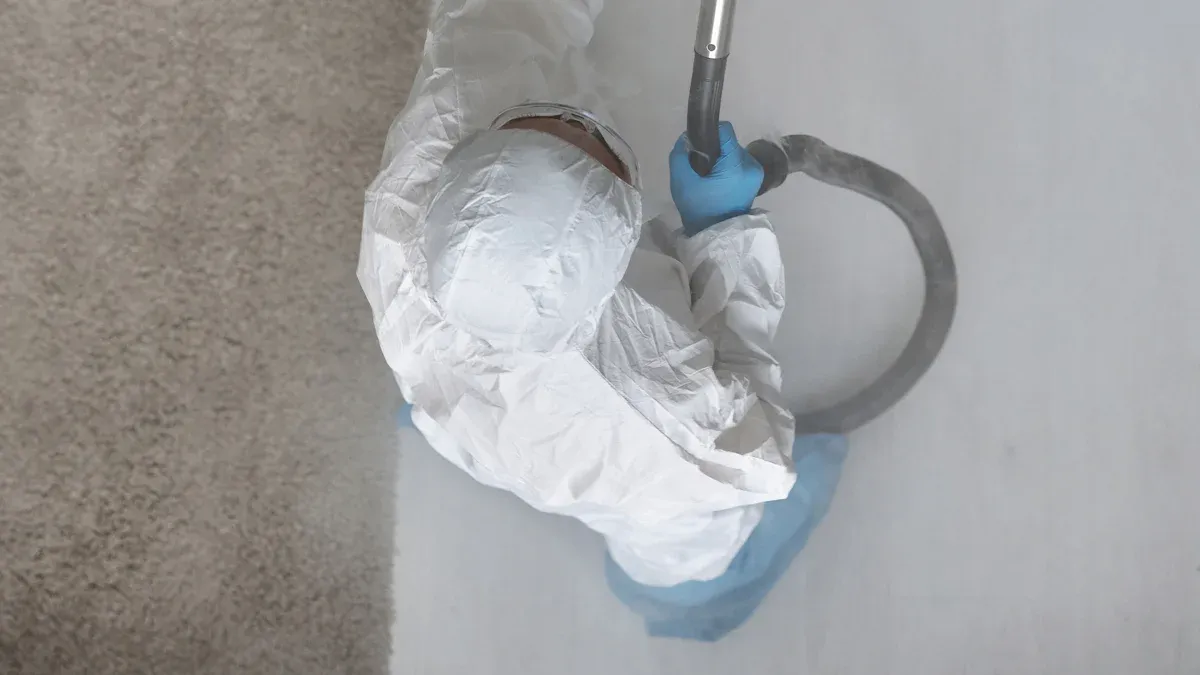
Before you tackle any mold, you need to get ready. Proper preparation makes the job safer and more effective. You protect yourself and ensure you have everything you need.
Essential Safety Gear
Mold spores can irritate your lungs and skin. You should always protect yourself when you clean moldy items. Wear rubber gloves to keep your hands safe from cleaning solutions and mold. A face mask, like an N95 respirator, stops you from breathing in spores. You might also want safety glasses to protect your eyes. These simple steps keep you healthy while you work.
Gathering Cleaning Supplies
Having the right tools makes a big difference when you remove mold. You will need a few key items to get your laundry clean. Start with a mild detergent, like Woolite or Ivory Snow, for initial washes. For tougher mold, consider a specialized cleaner such as Iosso® Mold & Mildew Stain Remover. This bleach-free option works well. You can also mix equal parts water and white vinegar for persistent mold growth. This solution is a powerful ally.
You will also need some tools for scrubbing. Grab a soft-bristled brush or a sponge. These help you work cleaning solutions into the fabric. If you have visible mold on cushions, use a broom to sweep off loose mold before you clean. For very bad mold problems, a vacuum cleaner can help after brushing. Just remember to dispose of the vacuum bag properly and disinfect the unit. These tips help you prepare for success. You can effectively remove mold from your items with these supplies.
Act Fast: Isolate Moldy Fabric
You found mold on your fabric. Now you need to act quickly. Fast action makes a big difference in saving your items.
Why Immediate Action Matters
Mold grows very fast. It loves damp places. Once mold spores land on a wet fabric, they start to reproduce. This can happen in just 24 to 48 hours. If you wait, the mold will spread. It will become much harder to remove. Think of it like a race against time. You want to stop the mold before it takes over. Prompt action helps you prevent more damage. It also saves you time and money in the long run. You can save your favorite items from permanent damage.
Preventing Spore Spread
You must stop mold spores from spreading to other items. First, inspect nearby clothes. Look for any signs of mold or tiny spores. Gather all moldy items together. Do not shake them. This releases more spores into the air. Wear a mask and gloves for safety. Take the moldy laundry to a well-ventilated area. An outdoor space is best. If you are inside, open windows wide. This improves air circulation. Close any vents in the room. This stops spores from traveling through your house. Gently brush off any loose mold spores from the fabric. Use a soft-bristled brush. These simple tips help you contain the problem. You protect your other clean laundry and your home.
Brush Off Loose Mold Spores
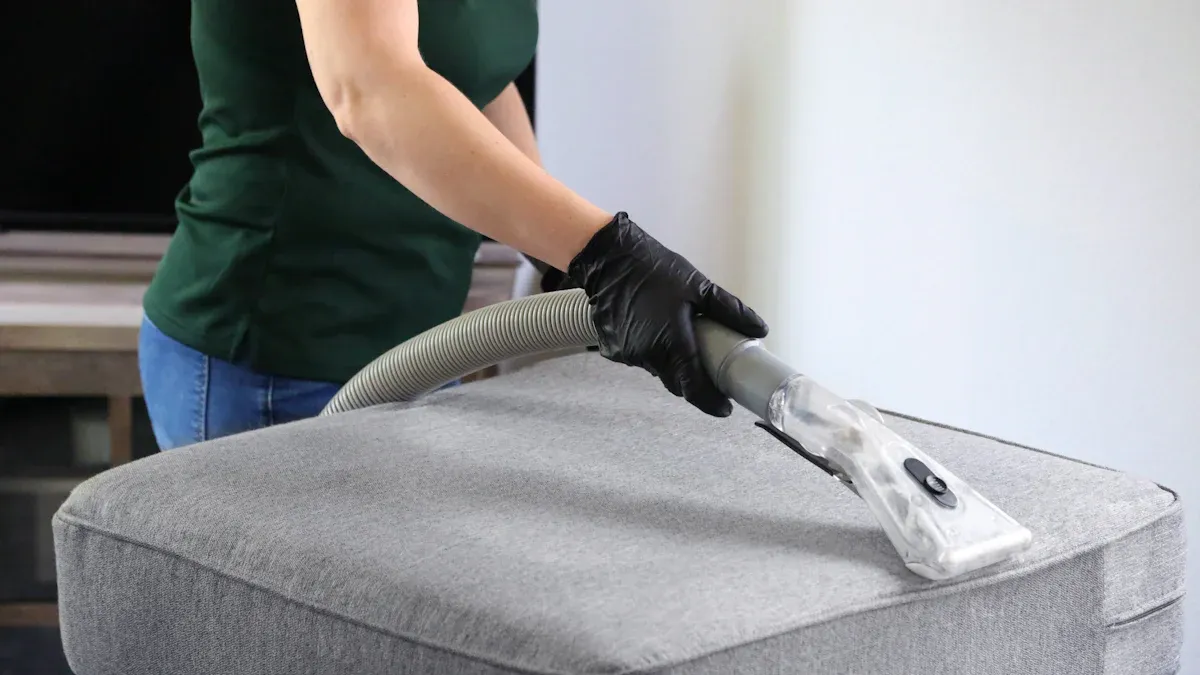
Before you dive into washing, you need to remove any loose mold. This step is crucial. It stops mold from spreading to other items or deeper into the fabric.
Pre-Treatment Outdoors
Take your moldy laundry outside for this step. Working outdoors is a smart move. It prevents mold spores from spreading inside your home. You don’t want them settling on other furniture or materials. If you can, choose a sunny day. Sunlight helps kill mold and stops it from spreading further. Also, pick a day with minimal wind. This helps ensure dislodged spores are carried away by natural air currents. It prevents cross-contamination. Remember to wear protective gloves and a face mask. These simple tips keep you safe from inhaling spores.
Gentle Brushing Techniques
Now, grab a soft-bristle brush. You can use a soft utility brush, a clothes brush, or even a clean, old paintbrush. Avoid stiff wire brushes. They can damage your fabric. Gently brush off the mold spores from the fabric surface. Use light, sweeping motions. Brush the mold away from your body. This lifts and removes the spores. Do not scrub aggressively. Scrubbing can grind the mold deeper into the fabric. For cushions, you can sweep visible mold with a broom. Be careful not to spread it to clean areas. If you have severe mold problems, vacuum the cushions after brushing. Use a vacuum with a HEPA filter. This traps fine particles. After you finish, discard the vacuum bag. Then, disinfect the vacuum unit. This prevents any further spread of mold.
White Vinegar Treatment
White vinegar is a powerful, natural solution for tackling mold on your clothes. Its acidic nature effectively kills various types of mold. It also helps eliminate unpleasant odors. This method is gentle on most fabrics.
Soaking Fabric in Vinegar
You can easily pre-treat with vinegar to loosen mold spores. First, mix one part white vinegar with one part water. This creates an effective solution. Then, soak your moldy clothes in this mixture. Let them sit for about 30 minutes. This soaking time helps the vinegar penetrate the fabric. It starts breaking down the mold. White vinegar is a recognized and natural agent for mold removal from clothing. Pre-soaking in this vinegar solution helps loosen mold spores and eliminate odors. It does this without damaging most fabrics. After soaking, you are ready for the next step.
Washing with Vinegar
After soaking, you can boost your regular laundry cycle. Add one cup of white vinegar directly to your washing machine’s detergent dispenser. You can also pour it into the fabric softener compartment. This extra step is especially effective for white mold. The vinegar works with your detergent to deep clean your laundry. It helps remove any remaining mold spores and lingering smells. Always wash the clothes as you normally would after this treatment. These simple tips make a big difference. You will see your clothes become fresh and mold-free.
Baking Soda to Remove Mildew
Baking soda is a powerful, natural cleaner. It helps you remove mildew from your clothes. This common household item works wonders on stubborn mold and unpleasant smells. You can use it in a few different ways.
Baking Soda Paste Application
You can make a simple paste for spot treatment. This works well for small, tough mold spots. First, mix baking soda with a small amount of water. You want a thick paste, like toothpaste. Then, apply this paste directly onto the mildew stains. Make sure you cover the entire affected area. Let the paste sit on the fabric for about 15 to 30 minutes. This gives the baking soda time to break down the mold. After it sits, gently scrub the area with a soft brush. Then, rinse the clothes thoroughly. This method helps lift the mold right off your clothes.
Soaking with Baking Soda
For a deeper clean, you can soak your laundry. This is great for larger areas of mold or for removing mildew stains and odors. Fill a basin or your washing machine with warm water. Add about half a cup of baking soda to the water. Stir it until the baking soda dissolves. Submerge your moldy clothes in this solution. Let them soak for about an hour. This soaking helps to remove mold and dirt stains. It also helps eliminate any lingering mildew odor. After soaking, wash your laundry as you normally would. These tips make your laundry fresh and clean. You will see your clothes look much better. These simple tips help you remove mildew effectively.
Bleach for White Fabrics
Bleach can be a powerful ally against mold, but you must use it carefully. This method is strictly for white, non-delicate fabrics. Never use bleach on colored items or delicate materials like silk or wool. It will damage them! Always check your garment’s care label first.
Safe Bleach Dilution
You need to dilute bleach properly. Undiluted bleach can weaken fabric fibers and cause yellowing. For a general wash, add about half a cup of liquid chlorine bleach to your washing machine’s dispenser. If you’re tackling a stubborn spot, create a diluted solution. Mix one part bleach with four parts water in a bucket. Always wear gloves and work in a well-ventilated area when handling bleach. Before applying it to a large area, test this solution on a small, hidden part of your clothes. This simple tip helps prevent accidental damage.
Spot vs. Full Wash
For small, localized mold spots on your white clothes, a spot treatment works best. Dip a clean cloth or cotton swab into your diluted bleach solution. Gently dab it onto the moldy area. Let it sit for about five to ten minutes. Then, rinse the fabric thoroughly with cold water. For widespread mold on your white laundry, a full wash is more effective. Add the recommended amount of bleach to your washing machine along with your regular detergent. Wash the clothes on the hottest setting safe for the fabric. This ensures the bleach fully penetrates and kills the mold. After the cycle, inspect your laundry. If you still see mold, repeat the process. These tips help you restore your white laundry items.
Borax for Stubborn Mold
Borax is a natural mineral. It’s a powerful cleaner. You can use it to tackle stubborn mold on your fabrics. It works as a disinfectant and helps remove tough stains. This makes it a great choice for your moldy laundry.
Mixing Borax Solution
You need to prepare your borax solution correctly. For stubborn mold on fabric, mix 1 cup of borax powder with 4 liters of hot water. Stir this solution until the borax completely dissolves. You can adjust these measurements based on how much fabric you need to treat. Always wear gloves when you handle borax. This protects your skin.
Borax Washing Instructions
Now, let’s get that mold out!
Pre-treat Stains: First, pre-treat any stubborn mold spots. Mix about 1/2 cup of borax with 1-2 cups of hot water. This creates a liquid solution. Gently apply a small amount directly to the mold areas. Use a scrub brush or an old toothbrush to rub the area. Be careful not to damage the fabric. Let this pre-treatment sit for about ten minutes.
Soak (Optional): For a deeper clean, you can soak your laundry. Fill a bucket or sink with warm or hot water. Add 1/2 cup of borax to the water. Make sure it dissolves. Soak your clothes for 30 to 60 minutes. This helps loosen the mold.
Wash in Machine: After pre-treating or soaking, wash your clothes in the machine. Add your regular detergent. Set the water temperature to the highest setting your fabric’s care label allows. Dissolve about 1/2 cup of borax in warm or hot water. Add this to the washing machine drum. Run the washer for one or two cycles, or use an extended time setting. This depends on how bad the mold is. These tips help you effectively remove mold.
Lemon Juice & Salt Method
You can use a simple, natural method to fight mold on your clothes. Lemon juice and salt create a powerful team. This method is especially good for lighter fabrics.
Creating the Paste
First, you need to make a paste. Squeeze fresh lemon juice into a small bowl. Then, add a generous amount of salt. Mix them together until you have a thick paste. It should be easy to spread. Now, take this paste and rub it directly onto the mold stains on your laundry. Make sure you cover the entire affected area. The acidity of the lemon juice starts to break down the mold. The salt acts as a gentle abrasive. Let the paste sit on the fabric for at least 30 minutes. For tough mold, you can leave it for an hour or two. After the paste has worked its magic, rinse the fabric thoroughly with cold water. Then, wash your laundry as you normally would.
Sun Bleaching for Mold
After you apply the lemon and salt paste, take your treated laundry outside. Lay the fabric flat in direct sunlight. Sunlight enhances the bleaching effect and helps eliminate any remaining spores. Sunlight works its magic by allowing its natural bleaching power to activate. This natural process helps fade the mold stains. It also helps kill any lingering mold. This is a great, eco-friendly way to brighten your clothes. These simple tips harness nature’s power. They help you get rid of mold. You will see your clothes look much cleaner.
Hydrogen Peroxide for Colors
You want to remove mold from your colored clothes, but you worry about harsh chemicals. Hydrogen peroxide offers a gentler way to tackle mold on colored fabrics. It’s a good alternative to stronger cleaners. However, hydrogen peroxide can have a bleaching effect. So, you must always test it first. This simple step prevents accidental damage.
Colorfastness Test
Here’s how you perform a colorfastness test:
Find a Hidden Spot: Look for an area of the fabric no one sees. This could be an inside hem, a seam, or the underside of a pocket.
Apply a Small Amount: Dip a cotton swab into a 3% hydrogen peroxide solution. Gently dab it onto that hidden spot. You only need a tiny patch.
Wait and Watch: Let the hydrogen peroxide sit on the fabric for at least 5 to 10 minutes. After this time, blot the area dry with a clean paper towel.
Check for Color Transfer: Immediately check the cotton swab. If any color from your garment transferred to the swab, the dye is unstable. The peroxide will likely strip it.
Inspect the Test Spot: After waiting, look at the test spot under bright light. If you see no change in color, fading, or texture, your fabric is colorfast. Any lightening means you should not use hydrogen peroxide on this item.
Gentle Peroxide Application
If your fabric passes the colorfastness test, you can proceed. Use a 3% hydrogen peroxide solution for cleaning. Higher concentrations are usually for professional use and can be too strong. Remember, hydrogen peroxide can still bleach certain natural fabrics, like wool, even at lower concentrations. Overuse on porous materials can lead to fading.
To apply it, pour a small amount of the 3% solution directly onto the moldy area. You can also use a spray bottle for even coverage. Let it sit for about 10 to 15 minutes. The peroxide will work to break down the mold. After it sits, gently scrub the area with a soft brush or cloth. Then, rinse the fabric thoroughly with cold water. Make sure you clean off all the hydrogen peroxide. This prevents accidental bleaching. Then, wash your laundry as usual. These tips help you safely remove mold from your colored laundry.
Washing Soda for Laundry
Washing soda, also known as sodium carbonate, is a fantastic helper for your laundry. It’s a powerful cleaning agent. You can use it to tackle tough mold and dirt stains on your clothes. It boosts your detergent’s power.
Soaking with Washing Soda
You can start by soaking your moldy clothes. This step helps loosen the mold and dirt. First, fill a large basin or your washing machine with warm water. Then, add about half a cup of washing soda to the water. Stir it well until the washing soda dissolves completely. Submerge your moldy laundry in this solution. Make sure all the fabric is covered. Let your clothes soak for about an hour. This soaking time gives the washing soda a chance to work its magic. It helps lift the mold and dirt stains from the fibers.
Post-Soak Laundry Care
After your clothes have soaked, you need to prepare them for washing. First, drain the water from the basin or machine. Gently squeeze any excess liquid from the items. You don’t want them dripping wet. Next, place the items in your washing machine. Run a rinse-only cycle without any detergent. This helps remove any washing soda residue.
Now, it’s time for the main wash. Wash the garment as you normally would. Use your regular detergent. For really tough stains or lingering mold, consider using a heavy-duty detergent. Always check your garment’s care label for the recommended water temperature. Before you put your clothes in the dryer, always inspect them carefully. You need to make sure the mold stain is completely gone. If you dry an item with a remaining stain, it can set permanently. If you still see a stain, repeat the treatment or try another method. Once you are sure the clothes are clean, dry them as you normally would. These tips help you get your laundry fresh and clean.
Freezing for Mildew Stains
Sometimes, you find stubborn mildew stains on your clothes. You might think you have tried everything. But here is a surprising trick: your freezer can help! This method is not for every situation. However, it can sometimes help you remove mildew from certain fabrics. It works by making the mildew brittle. This makes it easier to brush off later.
Preparing Fabric for Freezing
First, you need to get your moldy clothes ready. Take the garment and place it inside a clean plastic bag. Make sure the bag is sealed tightly. This stops the mildew spores from spreading to other items in your freezer. You do not want mold on your ice cream! This step also protects your clothes from freezer burn. It keeps them isolated from other food items. This simple preparation makes the process effective and safe.
Freezing Duration and Benefits
Now, put the sealed bag with your laundry into the freezer. You should leave it there for at least a couple of weeks. This might seem like a long time. But the extended freezing period helps to dry out and kill the mildew. The cold makes the mildew brittle. After two weeks, take the garment out of the freezer. You will notice the mildew stains might look different. They should be easier to remove. You can then gently brush off the brittle mildew. Follow up with a regular wash cycle for your clothes. This method can be a gentle way to tackle those tricky mildew stains.
Preventing Future Mold
You’ve worked hard to get mold out of your clothes. Now, you want to keep it from coming back! Preventing future mold is easier than removing it. You just need a few smart habits. These simple laundry tips will save you time and frustration.
Proper Storage Practices
How you store your clothes makes a big difference. Always store fabrics in cool, dry places. Make sure these spots have good air circulation. Avoid damp basements or stuffy closets. For delicate items, use breathable garment bags. You can also add silica gel packets to absorb excess moisture. This helps prevent moldy clothes. Remember to clean and completely dry seasonal clothes before you put them away. You can use vacuum-sealed bags for some items, but be careful with natural fibers. They need to breathe. Avoid airtight plastic containers or bags. They trap moisture and create a humid environment where mold loves to grow. Instead, choose breathable materials like cotton garment bags or acid-free boxes. Cedar-lined chests or cedar blocks can also help. Cedar naturally repels mold and keeps your clothes fresh.
Humidity Control Tips
Controlling humidity is key to preventing mold. You want to keep indoor humidity levels between 30-50%. Use a quality dehumidifier to remove excess moisture from the air. You can also place moisture absorbers in closets and drawers. Enhance ventilation throughout your home. Use exhaust fans in bathrooms and kitchens. Monitor your indoor humidity levels with a hygrometer. This little device tells you exactly how much moisture is in the air. For your stored laundry, use silica gel packs in containers. Regularly check storage areas for dampness. Address any issues quickly. These laundry tips help you maintain a mold-free home.
You now have 11 amazing cleaning secrets to tackle mold on your fabrics! These powerful cleaning secrets empower you to restore your favorite items. Remember, acting fast and preventing future growth are key for long-term fabric care. You can confidently apply these methods and enjoy mold-free clothes. However, if mold is widespread, on very delicate items, or if you suspect a larger issue like a plumbing problem, professional mold remediation might be necessary. These cleaning secrets are your first line of defense.
FAQ
Can I use these cleaning methods on all types of fabric?
No, you cannot. Always check your garment’s care label first. Some methods, like bleach, are only for white, non-delicate fabrics. Hydrogen peroxide needs a colorfastness test. Always test a small, hidden area before you treat the whole item.
What if the mold stain doesn’t come out after one try?
You might need to repeat the treatment. For stubborn stains, try a different method from this guide. You can also combine gentle treatments, like vinegar and baking soda. If the stain persists, consider professional cleaning.
How can I prevent mold from growing on my clothes again?
You should always dry your clothes completely before storing them. Store items in cool, dry places with good air circulation. Use a dehumidifier in damp areas. Avoid leaving wet laundry in the washing machine.
Is it safe to clean moldy fabric myself?
Yes, it is generally safe for small amounts of mold. Always wear protective gear like gloves and a mask. Work in a well-ventilated area. If you have severe mold allergies or a large mold problem, you should contact a professional.
